Tag Archive for: carb counting

Giro d’Italia in 20 recipes

Gluten-free Agnolotti del Plin

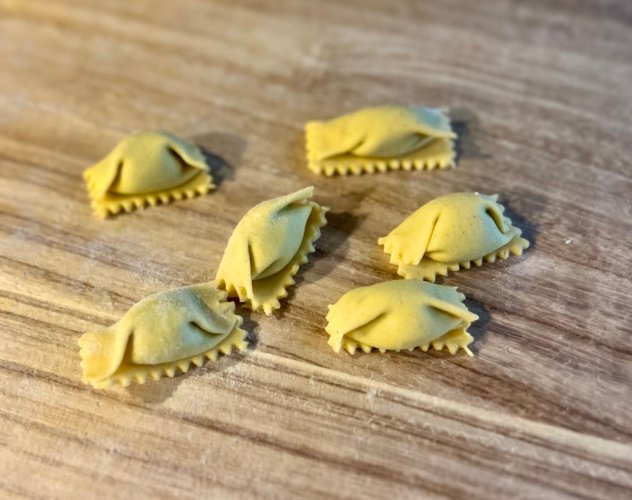
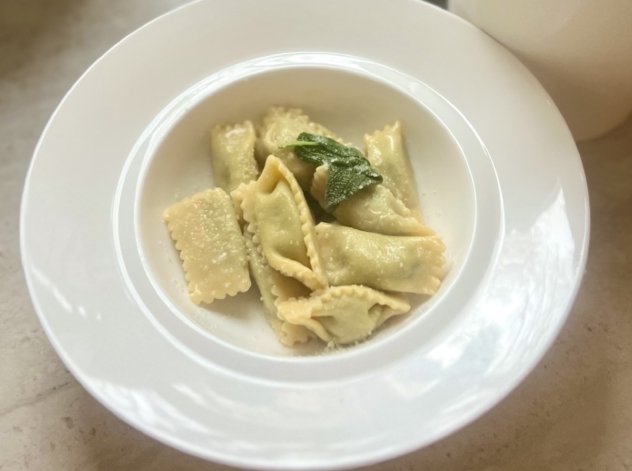
Some regions tell their story through a single dish of filled pasta. And Piedmont, on this, has no doubts: Agnolotti del Plin—small, elegant, handmade ravioli, shaped with that precise and affectionate gesture that gives the recipe its name. Plin, in the local dialect, means “pinch”: the movement of the fingers that seals the pasta and encloses a filling rich in history.

For the Piedmont stage of my Giro d’Italia in 20 Recipes, I had a chat on Meet with Priscilla, who told me how much she has missed Agnolotti del Plin since living with coeliac disease.
Not so much because they can’t be made at home… but because they are hard to find in restaurants. And for someone who is coeliac, this often means giving up the very dishes that best represent local culinary traditions.

So here we are, facing a new challenge: bringing the magic of gluten-free Agnolotti del Plin to the table, while trying to preserve their true soul—the thin pasta, the flavourful filling, and the simple seasoning that lets the quality of the ingredients speak for itself.

This recipe is my way of saying to Priscilla (and to all of you): regional cuisine doesn’t have to become a “memory” after diagnosis. It can turn into a new possibility—more inclusive, and just as delicious.

I got to work with a clear goal in mind: a plin that seals well, holds up during cooking, and above all… tastes truly like Piedmont.

ilaria-bertinelli-agnolotti-del-plin

Agnolotti del Plin

32g carbohydrates per 100g

Ingredients for 4 servings
For the pasta:

  • 120g wholegrain rice flour
  • 35g potato starch
  • 25g cornstarch
  • 20g fine wholegrain corn flour
  • 2 eggs
  • 2g guar gum
  • 1.5g xanthan gum
  • 1 tablespoon oil
  • Water, as needed

For the filling

(The quantity is double what you need, but given the long cooking time it’s a shame to make less. Alternatively, double the pasta and freeze the agnolotti you don’t use straight away.)

  • 1 litre meat or vegetable stock
  • 200g pork loin
  • 200g veal
  • 200g Swiss chard or spinach, blanched or sautéed (raw weight)
  • 100g carrot
  • 80g onion
  • 80g celery
  • 50g grated Parmigiano Reggiano
  • 1 garlic clove
  • 1 egg
  • Nutmeg
  • Salt
  • Pepper

For dressing

  • Grated Parmigiano Reggiano
  • Butter
  • Sage

**Ingredients specific for celiacs

*Ingredients whose labels must read “gluten-free” (or, in Italy, present on  Prontuario AIC)

Preparation

  1. Start with the filling: cut the meat into pieces and brown it with a drizzle of oil in a casserole. Add the onion, celery and carrot, all chopped, along with the crushed garlic clove. Sauté for a few minutes, then season with salt and pepper to taste.
  2. Cook over low heat for about 2 hours, covered with a lid, adding hot stock when needed. Once cooked, let the meat cool completely. Transfer the meat and its cooking vegetables to a blender together with the Swiss chard, Parmigiano, egg and nutmeg. Blend until you obtain a soft but fairly dry mixture. Adjust seasoning and set aside.
  3. Prepare the pasta by combining all the dry ingredients with the eggs, a pinch of salt, the oil and enough water to form a smooth, homogeneous dough.
    Wrap the dough in cling film and let it rest at room temperature for 30 minutes.
  4. Once rested, start shaping the agnolotti: flatten a piece of dough with a rolling pin, dusting lightly with flour, then roll it out using a pasta machine to the desired thickness. I went to the second-to-last setting on my Imperia machine.
  5. Using a piping bag (or a teaspoon), place small hazelnut-sized mounds of filling on the pasta sheet, spacing them about 2 cm apart. Fold the sheet over the filling, press between the mounds and along the top to remove any air and seal well. Using a fluted pastry wheel, cut between the mounds and seal the edges with your fingers to form the agnolotti.
  6. Cook the agnolotti in boiling salted water for 3–4 minutes. Drain and toss them gently in a pan with melted butter and sage leaves for a couple of minutes. Serve hot, finished with a generous grating of Parmigiano Reggiano.

ilaria-bertinelli-agnolotti-del-plin

There are recipes that taste of home, affection, and tradition — and Grandma’s Soup with Frue is one of them. With just three simple ingredients — potatoes, pasta, and Frue cheese — it becomes the kind of comforting dish that nourishes body and soul.

I discovered this recipe in Sardinia thanks to a kind lady I met while waiting in line at a local dairy. She told me she was buying Frue, a goat-and-sheep’s milk cheese with a slightly tangy flavour, to prepare this soup for her granddaughter, who said it was her favourite dish. I immediately fell in love with it too.

In summer, you can make it fresher by adding a few chopped tomatoes — a simple twist for a delicious variation.

If you’re a soup lover, don’t miss trying my Pulse Pasta with Rascino Lentils as well.

ilaria-bertinelli-minestra-della-nonna-con-frue

Grandma’s Soup with Frue

11g carbohydrates per 100g

Ingredients for 4 servings

  • 400g potatoes
  • 120g mixed small pasta or broken spaghetti **
  • 120g Frue cheese
  • chopped herbs of your choice
  • coarse salt
  • black pepper

**Ingredients specific for celiacs

*Ingredients whose labels must read “gluten-free” (or, in Italy, present on  Prontuario AIC)

Preparation

  1. Cut the potatoes into ½ cm cubes and place them in a saucepan with water and a pinch of coarse salt. Cook for around 10 minutes, or until tender.
  2. Add the pasta — choose small shapes that cook in the same time, or use short pieces of broken spaghetti. Cook until al dente.
  3. Mash the Frue cheese with a fork in a separate bowl.
  4. When the pasta is ready, remove the saucepan from the heat, stir in the Frue until perfectly combined, then finish with chopped herbs and a grind of black pepper.

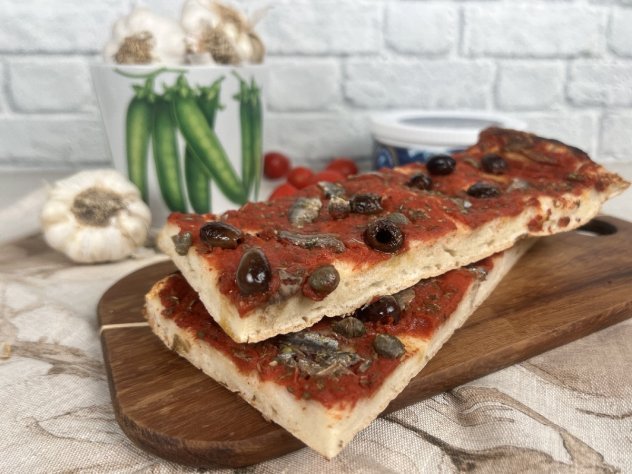
If you love focaccia with bold flavours, the Ligurian gluten-free Sardenaira will win you over at the very first bite. It’s a true explosion of taste: a soft dough topped with tomato sauce, enriched with anchovies, capers, and Taggiasca olives, for a result that carries all the scent of the sea and the essence of tradition.

I first discovered this dish in Sanremo, during a trip with my family: I still remember how much we wanted to try it all together, even though at the time there was no gluten-free version available. Today, with great satisfaction, I’ve recreated the Sardenaira without gluten—faithful to its authentic flavour but suitable for everyone, with that perfect balance between the savoury topping and the sweetness of the tomato.

A tip: don’t overdo it with salt, since the toppings are already naturally very flavourful. Try it, and I’m sure it will become one of your favourite focaccias!

If you prefer more delicate flavors, you might also enjoy my Buckwheat and Corn Focaccia.

ilaria-bertinelli-sardenaira-senza-glutine

Gluten-free Sardenaira

34g carbohydrates per 100g

Ingredients for a baking tray

  • 200g Mix B Schär flour**
  • 200g Nutrifree Pane flour**
  • 100g Fibrepan Farmo flour**
  • 250g water
  • 250g milk
  • 20g extra virgin olive oil
  • 12g brewer’s yeast
  • salt

For the topping 

  • 400 g tomato purée or peeled tomatoes
  • 100 g pitted Taggiasca olives*
  • 10 anchovy fillets in salt
  • 40 g salted capers
  • 2 cloves garlic
  • oregano
  • extra virgin olive oil

**Ingredients specific for celiacs

*Ingredients whose labels must read “gluten-free” (or, in Italy, present on  Prontuario AIC)

Preparation

  1. Dissolve the yeast in the water, pour it over the flours, add the milk, and knead well. Finish by adding oil and salt. The mixture should be quite creamy. Cover with cling film, place in a warm spot, and let rise until doubled in size.
  2. Meanwhile, thoroughly desalinate the capers and anchovies. If not using tomato purée, chop the peeled tomatoes.
  3. Once the dough has risen, spread it onto a baking tray lined with parchment paper, wetting your hands with cold water to help you stretch it out evenly to a thickness of about 1.5 cm. Top with tomato purée or chopped tomatoes, arrange the anchovies, capers, halved unpeeled garlic cloves, and olives on top. Sprinkle with oregano and drizzle with olive oil, then let it rise for another 30 minutes.
  4. Bake in a preheated fan oven at 210°C (410°F) for 25–30 minutes. Allow to cool slightly and serve the Sardenaira cut into square pieces.

Version with gluten of Sardenaira

Replace the 500 g gluten-free flours (Schär, Nutrifree, and Fibrepan) with 500 g all-purpose flour and knead with 250 g water instead of 500 g.

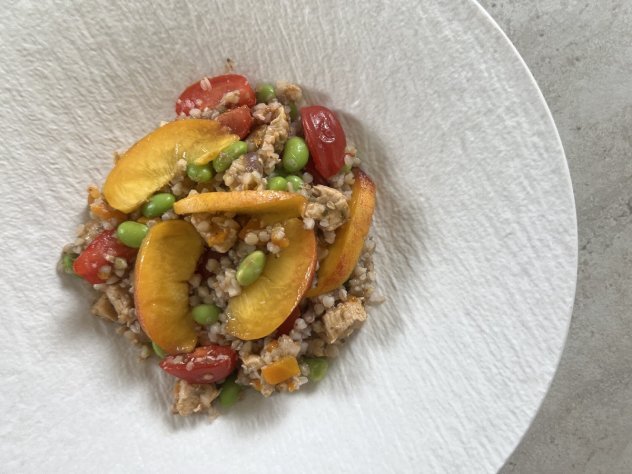
After a morning or evening run, your body needs clean energy and high-quality protein to recover at its best. This Buckwheat Salad with Chicken Ragout and Grilled Peaches is designed exactly for that: a complete meal rich in noble proteins from the chicken and edamame, low glycemic-index carbohydrates thanks to buckwheat, and plenty of vitamins and minerals from the peaches and cherry tomatoes, which refresh and hydrate.

A mix of delicate flavours and different textures that satisfies without weighing you down – perfect for those who love to take care of themselves at the table after a workout.

Discover all the secrets for perfect post-workout recovery with Bianca Balzarini, nutrition coach, with whom I created this very useful e-book.

Buckwheat Salad with Chicken Ragout and Grilled Peaches

8g carbohydrates per 100g

Ingredients for the salad

  • 140 g nectarines or peaches
  • 120 g edamame
  • 100 g buckwheat groats*
  • 10 cherry tomatoes

 Ingredients for the chicken ragout

  • 600 g chicken meat, finely chopped by knife
  • 100 g carrot
  • 40 g onion
  • 30 g celery
  • 1/2 glass of Marsala wine
  • chopped sage, mint, and thyme
  • extra virgin olive oil
  • salt and pepper

*Ingredients whose labels must read “gluten-free” (or, in Italy, present on  Prontuario AIC)

Preparation

  1. Prepare the chicken ragout first. Finely dice the onion, carrot, and celery, and soften them in a saucepan with a drizzle of extra virgin olive oil without letting them fry. Add the chopped herbs and the minced chicken meat.
  2. Mix well until the chicken turns white, then pour in the Marsala wine and let it evaporate. Cover and cook for about 20 minutes. Adjust with salt and pepper.
  3. Meanwhile, boil the buckwheat in lightly salted water and drain when cooked but still al dente.
  4. Blanch the edamame in lightly salted boiling water for 1.5 minutes, then drain and plunge them into cold water.
  5. Halve the cherry tomatoes and add them to the drained buckwheat, then add the edamame and finally the chicken ragout, mixing everything well. Serve with a few slices of nectarine or peach.

ilaria-bertinelli-insalata-di-grano-saraceno-e-pesche-grigliate

Version with gluten of Buckwheat Salad with Chicken Ragout and Grilled Peaches

The recipe is naturally gluten-free, so no adaptation is needed for the version with gluten.

Pasta with baked anchovies and cherry tomatoes is a dish that brings together colour, flavour and wellbeing in a single, balanced recipe. This month’s colour is grey – an unusual tone in the kitchen, yet surprisingly rich in inspiration when you choose ingredients like fresh anchovies and sunflower seeds. They prove that even grey can have a tasty and creative soul.

Anchovies are a nutritional treasure for anyone following a diet that supports metabolic health: rich in high-quality proteins, omega-3 fatty acids and vitamin D, they help reduce inflammation and improve insulin sensitivity. This makes them an excellent protein source for people with diabetes. They are also naturally gluten-free and easy to digest.

Sunflower seeds, often used as a crunchy topping, add not just texture but also valuable nutrients: they’re rich in unsaturated fats, magnesium and phytosterols, which help control blood sugar and maintain a healthy lipid profile.

Moreover, both anchovies and sunflower seeds are good sources of selenium – a mineral that protects cells from oxidative stress and helps prevent cellular ageing. In short, this is a simple dish with the qualities of a true natural supplement!

If you like anchovies, try my Onion and anchovy flat bread too.

Pasta with baked anchovies and cherry tomatoes

 28g carbohydrates per 100g

Ingredients for 4 servings

  • 500g cherry tomatoes
  • 400g fresh anchovies (to be cleaned)
  • 300g gluten-free pasta Gnocchi or Caserecce by Massimo Zero**
  • 60g gluten-free breadcrumbs**
  • 50g grated Parmigiano Reggiano
  • 15g salt-preserved capers
  • 1 lemon (zest only)
  • sunflower seeds
  • 1 garlic clove
  • extra virgin olive oil
  • oregano
  • chilli pepper
  • salt

**Ingredients specific for celiacs

*Ingredients whose labels must read “gluten-free” (or, in Italy, present on  Prontuario AIC)

Preparation

  1. First, clean the anchovies by removing the head, innards and central bone. Rinse and pat them dry.
  2. In a bowl, mix the breadcrumbs, grated Parmesan, rinsed and chopped capers, a pinch of finely chopped garlic, oregano, chilli pepper, and grated lemon zest.
  3. Lightly coat the bottom of a baking dish with some of this aromatic breadcrumb mixture. Arrange the anchovies open like a book in a single layer, then top with halved cherry tomatoes, cut side down on the fish. Sprinkle with the remaining breadcrumb mixture and drizzle with olive oil.
  4. Bake in a preheated fan oven at 250°C for about 10 minutes.
  5. Meanwhile, cook the pasta in lightly salted boiling water. Drain and toss with the baked anchovies and tomatoes.
  6. Sprinkle with sunflower seeds and serve hot.

ilaria-bertinelli-pasta-con-alici-e-semi-di-girasole

Flour and water gnocchi are an ancient recipe that takes us back to the roots of Italian cuisine, long before potatoes arrived from the Americas.
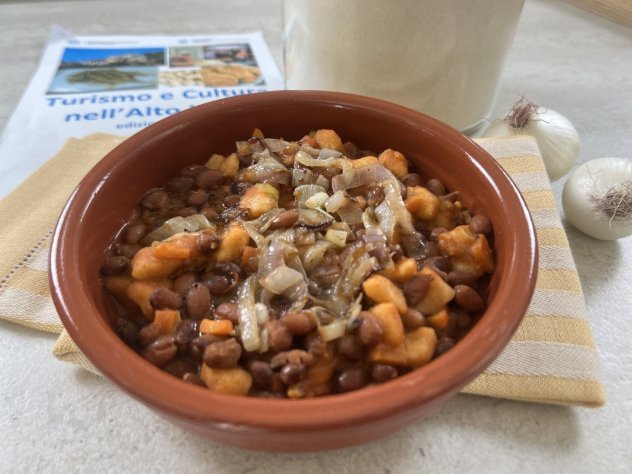
Made with just two ingredients and no eggs, these gnocchi have deep roots in peasant tradition, where simplicity and ingenuity went hand in hand. In fact, to bind the flour—rice flour in my gluten-free version, specifically brown rice flour from Mulino Marello—boiling water is used. This technique gelatinizes the starch, acting as a kind of pre-cooking step that makes the dough more flexible and prevents it from falling apart when cooked.

To accompany them, I chose a legume I discovered thanks to the Chamber of Commerce of Rieti and Viterbo: the Fagiolo Secondo or Fagiolo Giallo della Stoppia di San Lorenzo. This bean is a typical product of the Alta Tuscia Laziale Mountain Community, grown using sustainable farming methods that respect natural cycles.
Its curious name tells the story of its traditional cultivation: Secondo refers to the agricultural practice of sowing the beans as the second crop of the year, while della Stoppia (i.e. of the stubble) refers to the fact that they were sown directly onto the wheat stubble just after harvest, using crop residues as a natural growing medium.

This late cultivation allowed the beans to be harvested as early as the end of August, offering farming families a valuable source of plant-based protein as autumn approached. These small brown beans are not only delicious but also quick to cook and naturally sweet, qualities attributed to the volcanic origin of the local soil.

Rich in plant proteins and fiber, these beans are ideal for those looking for balanced dishes full of flavor and suitable even for beginner cooks.

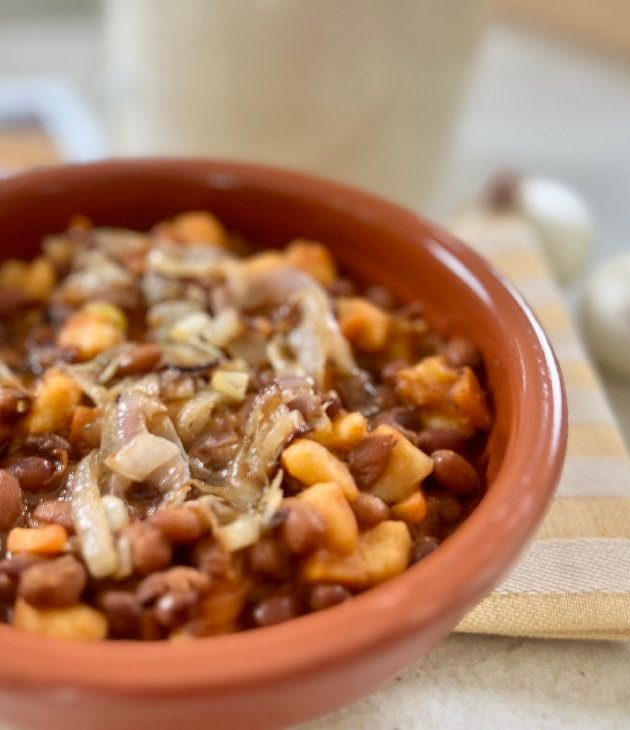
ilaria-bertinelli-gnocchi-di-farina-e-acqua

Flour and water gnocchi with beans

  24.16g carbohydrates per 100g without onion topping

Ingredients for the gnocchi for 4 servings

  • 200g brown rice flour*
  • hot water
  • a pinch of salt

For the bean sauce

  • 400g tomato purée
  • 150g dried Fagioli secondi or Gialli della Stoppia
  • 70g carrot
  • 40g celery
  • 2 bay leaves
  • wild fennel
  • extravirgin olive oil Canino DOP
  • salt and pepper

For the onion

  • 5 Tropea onions
  • extravirgin olive oil Canino DOP
  • oregano
  • salt and pepper

**Ingredients specific for celiacs

*Ingredients whose labels must read “gluten-free” (or, in Italy, present on  Prontuario AIC)

Preparation

  1. Soak the dried beans overnight. The next day, boil them over low heat with two bay leaves until fully cooked. Turn off the heat and reserve the cooking water.
  2. Place the whole grain rice flour in a mixing bowl, add a pinch of salt, and pour in just enough lightly salted boiling water to create a smooth dough. You’ll need about half the weight of the flour in water. Cover with plastic wrap and let rest for at least 15 minutes.
  3. Finely chop the carrot and celery, and sauté them in a pan with a drizzle of olive oil. Add the vegetables and tomato purée to the pan, season with salt, and let the sauce simmer for about 20 minutes. Then add the cooked beans and allow to cook together for another 15 minutes. Finish with chopped wild fennel.
  4. Slice the Tropea spring onions and gently soften them in a pan with a little olive oil. Season with oregano, salt, and pepper.
  5. Prepare the gnocchi: roll the dough into cylinders on a board dusted with rice flour, cut into 2 cm pieces, and place them on a tray.
  6. Cook the gnocchi in lightly salted boiling water until they reach your preferred texture. Note: they are not ready as soon as they float—they’ll need a bit longer.
  7. Lift them out with a slotted spoon and add directly to the bean sauce. Stir to combine, then serve with the Tropea onions and a drizzle of Canino olive oil.

ilaria-bertinelli-gnocchi-di-farina-e-acqua

Spring brings us wonderful and versatile ingredients like asparagus — grown in many regions of Italy and the star of this simple yet impressive recipe. This Chicken and asparagus pie is a complete meal that combines flavour, nutritional balance and practicality. It’s perfect for anyone following a gluten-free diet with a mindful eye on the recipe’s composition, particularly its carbohydrate content.

Asparagus is an excellent source of fibre, B vitamins (especially folate), vitamin K and natural antioxidants. Thanks to its asparagine content, it also supports kidney function and has a natural diuretic effect. Combined with chicken, a great source of lean protein, and brown rice flour, which adds fibre and complex carbohydrates, this dish offers all the essential macronutrients and is suitable for those with specific dietary needs.

The crisp gluten-free puff pastry topping adds a rustic and visually appealing touch, making it ideal even for a last-minute dinner with guests when you don’t want to give up on seasonal vegetables. If you’re looking for another all-in-one dish, try the Vegetarian Moussaka too!

ilaria-bertinelli-pie-di-pollo-e-asparagi-al-feta

Chicken and asparagus pie with Feta cheese

7.8g carbohydrates per 100g

Ingredients for 6 servings

  • 1 pack of gluten-free puff pastry** (you will use about 200g)
  • 850g chicken breast
  • 420g asparagus
  • 120g Feta cheese
  • 70g leek
  • 30g brown rice flour*
  • 1 egg for brushing the surface
  • meat or vegetable stock*
  • extra virgin olive oil
  • salt and papper

**Ingredients specific for celiacs

*Ingredients whose labels must read “gluten-free” (or, in Italy, present on  Prontuario AIC)

Preparation

  1. Slice the leek and let it soften in a non-stick pan with a drizzle of olive oil. Add the chicken breast cut into cubes and cook until it turns white on all sides.
  2. Trim the woody ends off the asparagus, then divide the stalks from the tips. Cut the stalks into small pieces and add them to the chicken. Pour in a few ladles of broth, season with salt and pepper, and cook.
  3. When the chicken is nearly done, add the asparagus tips. Sprinkle in the rice flour and, if needed, add another ladle of broth — it will thicken into a sauce similar to béchamel.
  4. Transfer the chicken and asparagus mixture into a baking dish, top with crumbled Feta cheese and cover the top with the puff pastry. Seal the edges well to create a lid, cut a few slits to allow steam to escape, and brush the surface with beaten egg.
  5. Bake in a preheated fan oven at 180°C for 20 minutes. Remove from the oven, let rest for 10 minutes, then serve.

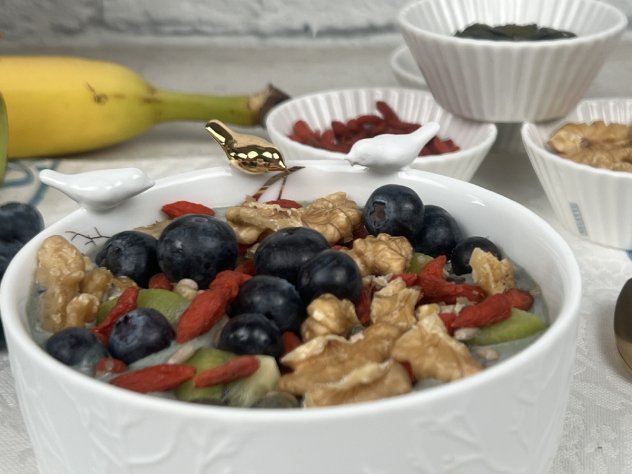
Since many of you often ask me where I get my energy from, I’m revealing one of my daily habits: my Blueberry Bowl, a colourful and energizing way to start the day.

I’m sharing this habit with you because the colour of the month, which I explore together with nutrition coach Bianca Balzarini, is blue—the same vibrant hue as two of the main ingredients in this bowl: blueberries and spirulina. In the world of food, blue is a rare shade, but it’s as fascinating as it is full of benefits.

The blue-violet colour of blueberries comes from their high content of anthocyanins, which help fight oxidative stress and protect cells from damage caused by free radicals. These little vitamin-rich fruits are low in calories and offer more than 3 grams of fibre per 100 grams, making them a low glycaemic index food.

Spirulina is a green-blue superfood with extraordinary properties. It’s a freshwater microalga made up of 60–70% high-quality protein that includes all essential amino acids. It’s rich in vitamins and minerals, a powerful antioxidant, and thanks to this exceptional nutritional profile, some studies suggest it may support metabolism and cardiovascular health.

Perfect for breakfast or as a functional snack, this bowl is packed with macro- and micronutrients. In addition to the benefits of blueberries and spirulina, it also provides protein from Greek yogurt, natural sugars from fruit, fibre, and healthy fats from seeds and nuts. All ingredients are naturally gluten-free, and the balance of carbohydrates, protein, and fibre makes this bowl an ideal choice for people with type 1 diabetes too.

What are you waiting for? Enjoy your breakfast!

Ilaria-bertinelli-bowl-ai-mirtilli

Blueberry Bowl

10.12g carbohydrates per 100g

Ingredients for 4 bowls

  • 300g fat-free Greek yoghurt
  • 150g banana
  • 125g blueberries
  • 3 dates
  • 1 level teaspoon of spirulina
  • 1 kiwi
  • suflower seeds
  • pumpkin seeds
  • goji berries
  • walnuts

**Ingredients specific for celiacs

*Ingredients whose labels must read “gluten-free” (or, in Italy, present on  Prontuario AIC)

Preparation

  1. Blend the yogurt with the banana, half of the blueberries, the pitted dates, and the spirulina until smooth.
  2. Divide the mixture between 4 bowls and top each with: 2 teaspoons sunflower seeds, 2 teaspoons goji berries, the kernels of 2 walnuts, 1 teaspoon pumpkin seeds, a few cubes of kiwi, and the remaining blueberries. Enjoy as breakfast or a snack.

Ilaria-bertinelli-bowl-ai-mirtilli


Blueberry panna cotta with fruit-only sugars is a light and naturally sweet dessert, perfect for those looking for a delicious yet mindful treat. Made without added sugars and with the option to use plant-based milk and cream, this recipe is also ideal for those who are lactose intolerant or follow a vegan diet.

What makes this dessert so special are the dates—rich in fiber, minerals, and natural sugars with a low glycemic index—and the blueberries, true health allies thanks to their high content of antioxidants, vitamin C, and anthocyanins, compounds that support microcirculation and skin wellness.

Its low carbohydrate content makes it a great dessert or snack for anyone who needs to manage their blood glucose levels, like us: enjoy every spoonful of this fresh, colorful, and versatile treat!

If you’re looking for more desserts with no added sugars, try our Peach pudding with coconut and mint.

Blueberry panna cotta with fruit-only sugars

10.73g carbohydrates per 100g

Ingredients for 7 servings

  • 500g blueberries
  • 500g plant-based* or dairy milk
  • 250g plant-based* or dairy cream
  • 100g dates
  • 20g sheet gelatine*
  • lemon juice

*Ingredients whose labels must read “gluten-free” (or, in Italy, present on Prontuario AIC)

Preparation

  1. Soak the gelatine sheets in cold water until soft.
  2. Heat a small amount of milk and stir in the softened gelatine until fully dissolved.
  3. In a tall container, combine the milk, cream, pitted dates, and half the blueberries. Blend with an immersion blender until smooth, then add the dissolved gelatine.
  4. Pour the mixture into 7 silicone moulds (for unmoulding later) or into small serving glasses. Refrigerate until set.
  5. Meanwhile, cook the remaining blueberries in a non-stick pan with lemon juice until they release a thick, bright sauce. Let cool.
  6. Unmould the panna cotta or serve in glasses, topping with the blueberry sauce.

ilaria-bertinelli-panna-cotta-ai-mirtilli-con-solo-zuccheri-della-frutta

Which salads can we prepare during the holiday season? December salads couldn’t but be suitable for a period of parties and celebrations.

In fact, these salads complement each other because one is perfect for enriching festive meals and the other for a detox meal before or after the Christmas treats.

Turnip and lamb’s lettuce salad is a way to use two ingredients that we rarely bring to the table at our place. White turnip is very low in calories, contains no cholesterol, has only 6 carbohydrates per 100g, but is very rich in vitamins and minerals, so consuming it means providing a good dose of antioxidants to cope with the cold season.

Coleslaw Salad is a great classic of Anglo-Saxon cuisine, but especially of Newark buffets, to use the cabbage in a mouth-watering way. The name is in fact the transformation into English of the Dutch terms ‘kool’, cabbage, and ‘sla’, a nickname for salad. My version is a light interpretation of the original in that I eliminated sugar in the preparation and diluted the mayonnaise with equal amounts of zero-fat Greek yoghurt.

Happy holidays by bringing December salads to the table, but don’t forget to explore other salad ideas, e.g. October salads.

Turnip and lamb’s lettuce salad

9,56g carbohydrates per 100g

insalata-di-rapa-bianca-e-songino

Ingredients for 4 servings

  • 2 white turnips
  • 100g lamb’s lettuce or other leafy greens
  • 90g pear
  • 20g maple syrup or honey
  • lemon juice
  • a few parsley leaves
  • extra virgin olive oil
  • salt and pepper
  • wood sorrel (optional)

Preparation

  1. Peel the turnips with a peeler, slice them very thinly using a mandoline and macerate them for 10-15 minutes with an emulsion of lemon juice, extra virgin olive oil, salt and parsley.
  2. Slice the pear with the peel.
  3. Prepare a vinaigrette by mixing a few tablespoons of oil, lemon juice, salt, pepper and chopped parsley.
  4. Arrange the lamb’s lettuce on the bottom of each plate, lay the turnip and pear on top, drizzle with the vinaigrette and finish with a grinding of pepper and the sorrel leaves.

Coleslaw

7g carbohydrates per 100g

Insalata-coleslaw

Ingredients for 4 servings

  • 250g white cabbage (approx. 1/2 cabbage)
  • 170g carrots (approx. 2)
  • 1 Granny Smith apple
  • 2 celery stalks
  • 3 spring onions (the white part)
  • 40g raisins
  • 40g shelled walnuts
  • chopped fresh herbs
  • salt and pepper

Ingredients for the sauce

  • 150g mayonnaise*
  • 150g fat-free Greek yoghurt
  • 1 teaspoon of Dijon mustard*
  • 20g lemon juice
  • salt and pepper

**Ingredients specific for celiacs

*Ingredients whose labels must read “gluten-free” (or, in Italy, present on  Prontuario AIC)

Preparation

  1. Cut the cabbage into very thin strips; grate the carrots into julienne strips and slice the apples with the peel, but without the core.
  2. Chop the celery and spring onion finely, then put all the vegetables in a bowl.
  3. In a bowl, prepare the sauce: mix mayonnaise and yoghurt, season with mustard and lemon, then season with salt and pepper.
  4. Pour the dressing over the vegetables and mix well: the salad should be very well bound, i.e. have just the right amount of dressing to hold the vegetables together.
  5. Top the salad with sultanas and coarsely chopped walnuts, then complete with chopped fresh herbs to taste.