Tag Archive for: vegetarian recipes

Can you think of those simple flavours that spark memories?  Oat pasta with cannellini beans is the perfect combination of traditional flavours and a touch of novelty.

One of the most typical dishes of Italian cuisine is in fact Pasta e fagioli (pasta and beans), a recipe often prepared with Borlotti beans and the addition of lard or bacon, which in the past were useful to give the necessary energy to face the hard work in the fields.

Instead, this version of Pasta e fagioli uses cannellini beans combined with oat pasta, where the wheat protein, gluten, is replaced by the high protein content in oat. Remember that beans are a valuable source of complex carbohydrates, plant proteins, fibre and are cholesterol-free, so the consumption of legumes is always a valuable ally in a balanced diet.

The flavour variation is the presence of sautéed cherry tomatoes with aromatic herbs that transform a classic taste into a fresher, juicier one.

If you love beans and tradition, try my Pisarei e fasò.

Oat pasta with cannellini beans

carbohydrates 13.63g per 100g
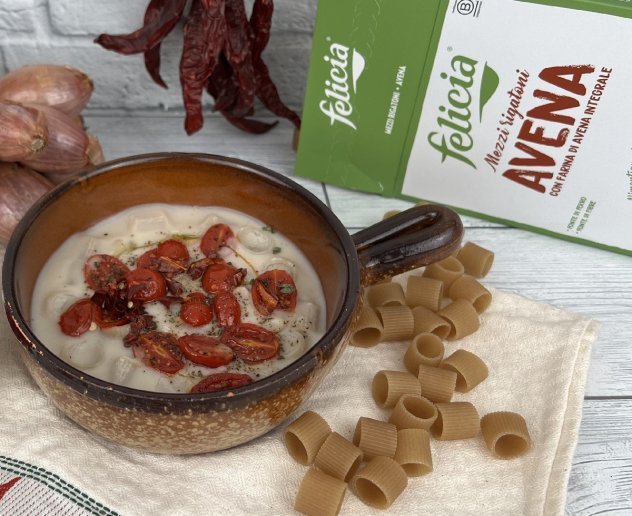
Mezzi-rigatoni-di-avena-ai-cannellini

Ingredients for 4 servings

  • 500g boiled cannellini beans (about 180g dry beans)
  • 240g cherry tomatoes
  • 140 g Oat pasta Felicia**
  • 1 shallots
  • 2 cloves of garlic
  • extra virgin olive oil
  • dried sweet pepper or Crusco pepper
  • bay leaf
  • oregano
  • thyme
  • rosemary
  • chilli pepper
  • salt and pepper

**Ingredients specific for celiacs

*Ingredients whose labels must read “gluten free” (or, in Italy, present on  Prontuario AIC)

Preparation

  1. Soak the cannellini beans for at least 12 hours, then boil them slowly in plenty of water with the addition of a bay leaf and, if available, a piece of Kombu seaweed to facilitate the beans’ future digestibility. Drain the beans and keep the cooking water.
  2. Cut the cherry tomatoes in half and sautée them for a few minutes on high heat in a non-stick pan with a little extra virgin olive oil, a clove of garlic cut in half, a chilli pepper and chopped herbs.
  3. Put a drizzle of extra virgin olive oil in a pan, brown a finely chopped shallot and a clove of garlic and add the cooked cannellini beans, cover with plenty of cooking water or vegetable stock and leave them to take on flavour for 10 minutes.
  4. Keep a few tablespoons of cannellini beans aside and blend the rest with an immersion blender, then reassemble the bean soup.
  5. Cook the oat pasta in plenty of salted water, drain and pour it into the cannellini soup, then complete the dish: place the pasta and beans on individual plates, complete with the herb flavoured tomatoes, a grinding of pepper, a drizzle of oil and some chopped dried sweet pepper or Crusco pepper.

Version with gluten of Oat pasta with cannellini beans

The recipe contains only naturally gluten-free ingredients.
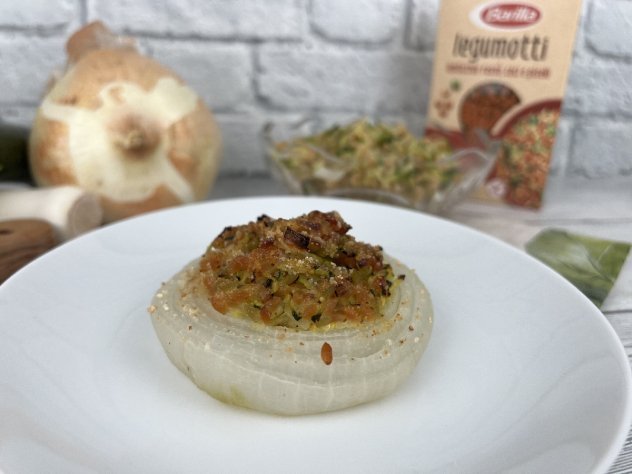
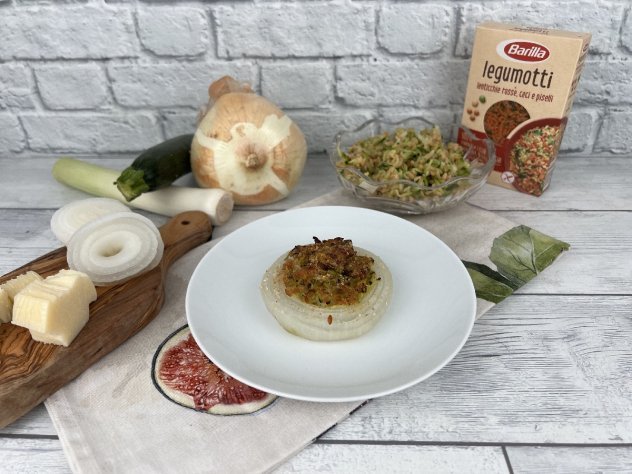
September is one of the months in which the Giarratane onions, the sweet, extra-large Sicilian onions that are perfect for stuffing and preparing in a thousand ways, are harvested: try these Giarratane onions stuffed with Legumotti.

The Giarratana onion is an onion grown in the area of the municipality of Giarratana in the south-east of Sicily. Its size is variable and a single bulb can weigh up to 3 kg. Its main characteristic is sweetness, which makes this onion particularly popular and part of the traditional Italian produce (P.A.T.) list created by the Ministry of Agriculture and Forestry.

Precisely because of its sweetness, this onion is also often eaten raw, but it is excellent with all types of cooking: boiled, grilled and baked au gratin.

Stuffed with my beloved Legumotti topped with lots of vegetables and a touch of melting cheese, it is a perfect main course for people affected by diabetes and coeliac disease for both lunch and dinner.

If you like Legumotti, try them in the Legumotti salad with caramelised Tropea onion.

Giarratane onions stuffed with Legumotti

carbohydrates 13.13g per 100g

cipolle-giarratane-ai-legumotti

Ingredients for 4 servings

  • 4 Giarratane onions of about 350g each
  • 180g courgettes
  • 150g leek
  • 120g Barilla Legumotti*
  • 50g sharp Provolone cheese
  • breadcrumbs*
  • extra virgin olive oil
  • oregano
  • salt and pepper

**Ingredients specific for celiacs

*Ingredients whose labels must read “gluten free” (or, in Italy, present on  Prontuario AIC)

Preparation

  1. Peel and trim the Giarratane onions then cut them in half horizontally.
  2. Put a pan of water on the heat, when it comes to the boil throw in the Giarratane onions cut in half and boil them for 5 minutes. Drain them with a skimmer and lay them on a cutting board to dry.
  3. Chop the leek very finely and sweat it in a non-stick pan with a little oil. Add grated sharp Provolone cheese and stir to melt.
  4. Use, if you like, the water used to blanch the onions to cook the Legumotti for 9 minutes, then drain and throw them into the non-stick pan with the vegetables; stir and season with salt and pepper.
  5. Remove some internal layers of the onions to form a hollow for the filling; use the inside of the onions for any other preparation (sauces, onion stuffing, caramelised onions, etc.).
  6. Stuff the emptied onions with the Legumotti, sprinkle with breadcrumbs and a drizzle of oil and put in a convection oven preheated to 200°C for 15 minutes to gratin.
  7. Serve the stuffed onions warm.

cipolle-giarratane-ai-legumotti

Full speed ahead: Stuffed omelette roll

How many times have you arrived home at dinner time without having any ideas of what to prepare? The Summer omelette roll is a solution to many situations.

In fact, all you need is fresh eggs and a little grated Parmesan cheese to prepare the magical and tasty omelette disc, then you can create the stuffing according to what you find in your fridge and pantry: each time you can serve a roll with a different flavour and colour.

My advice is to always try to use a good amount of vegetables for the stuffing in order to balance the protein- and fat-rich omelette with vitamins and fibre. You can then serve it with a nice slice of wholemeal bread to get the right amount of carbohydrates.

If you are a fan of omelettes, try this Stuffed Omelette.

rotolo-di-frittata-estivo

Summer omelette roll

 carbohydrates per 100g negligible

Ingredients for 4 servings

  • 7 eggs
  • 125g cow’s milk mozzarella
  • 40g Parmigiano Reggiano cheese, grated
  • 1 tomato
  • a handful of lettuce
  • 1 tbsp olive pâté*
  • extra virgin olive oil
  • salt and pepper

**Ingredients specific for celiacs

*Ingredients whose labels must read “gluten-free” (or, in Italy, present on  Prontuario AIC)

Preparation

  1. Beat the eggs well in a bowl with a fork, add the Parmesan cheese and a pinch of salt and pepper.
  2. Put a little oil in a 25-28cm diameter non-stick frying pan and pour in the egg mixture. Cook it over medium heat and, when it has set, turn it over with the help of a lid.
  3. Place the omelette disc on a board and stuff it: spread the lettuce, place the sliced tomato and  mozzarella on top, then the olive pâté evenly distributed.
  4. Roll the omelette tightly, then cut the cylinder in half to serve so that the colours of the ingredients inside can be seen.

Version with gluten of Summer Omelette Roll

The recipe contains only naturally gluten-free ingredients.
I think it has happened to everyone to have bought a product to be used in a recipe and then have the leftover part lying in a corner of the kitchen not knowing what to do with it: this is how Summer vegetarian rolls came about.

I had bought a packet of rice paper with the claim ‘gluten-free’ prominently displayed on the front because I wanted to cook some spring rolls in a moment of nostalgia for trips to Asia, but after using them for this recipe, the leftover sheets stared at me for a long time from the cupboard without me finding a creative and easy way to use them.

Then, obsessed by the heat and the desire for tasty snacks, I came up with the idea of trying to use the rice paper simply wet, so without the need to turn on the cooker or oven: they were so good that I decided to buy another packet of rice paper! Not only that: they will be ready in a matter of minutes!

If you are a fan of oriental flavours, also try the Basmati rice with curry, tuna and peppers.

Involtini-di-verdure-con salsa-di-soia-agrodolce

Summer vegetarian rolls 

 4.5g carbohydrates per roll without sauce

Ingredients for 1 roll

  • 1 sheet of rice paper*
  • 1 sprig garden rocket
  • 1 handful grated carrots
  • 1 tablespoon soft cheese
  • 1 scant teaspoon olive pâté*

Ingredients for the sauce for about 6 rolls

  • 4 spoonfuls rice oil
  • 2 spoonfuls apple vinegar
  • 1 tablespoon maple syrup*
  • 2 teaspoons of soy sauce*

Preparazione

  1. Soak the rice paper briefly in a bowl full of cold water.
  2. Spread the rice paper sheet out on a board and stuff it quickly so that it does not stick to the board itself: form a layer of rocket, lay the soft cheese in a sort of strip in the middle, also spread the olive pate and finally add a handful of grated carrots. Wrap everything up to form a fairly tight roll.
  3. Prepare the sauce for dipping the rolls: put all the ingredients in a small bowl and emulsify well using a fork.
  4. Serve the rolls with a small bowl containing the sauce in which to dip them.

Involtini-di-verdure-con salsa-di-soia-agrodolce

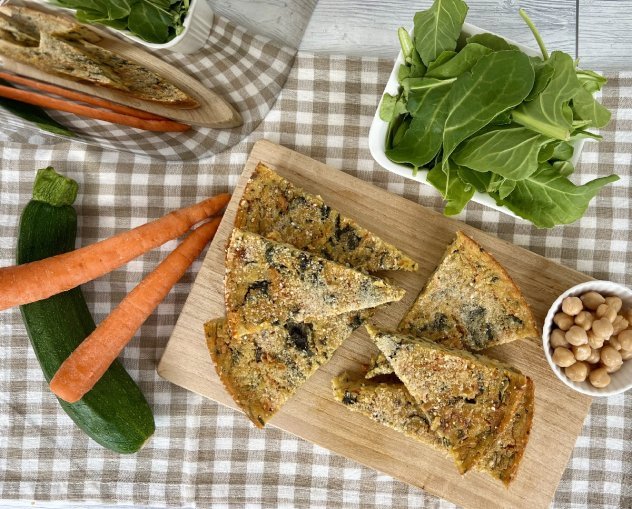
A chickpea flour flan with lots of vegetables, also perfect for using the leftover vegetables in the fridge: try the Chickpea and Vegetable Flan.

I love this recipe that a friend taught me because it not only allows me to have a one-course meal that is perfect for diabetes and coeliac disease, but also because I can prepare it using just one pot! Thanks to the Berndes pot I found at my friend Michela’s store, I Love My House, you can in fact cook the vegetables on the stove first, then complete the recipe by putting the pot in the oven.

The vegetables I used are just an indication, but you can use your favourite vegetables or any vegetables that you may have in small quantities: a tasty and easy anti-waste recipe.

Furthermore, the leftover flan is a perfect lunch box to take to the office or to school.

If you’re running out of ideas for lunch boxes, here are some ideas.

Chickpea and vegetable flan

carbohydrates 11g per 100g

sformato-di-ceci-e-verdure

Ingredients for a 28cm flan

  • 600g water
  • 200g chickpea flour*
  • 150g Tropea onions
  • 150g courgettes
  • 150g carrots
  • 80g Swiss chard
  • 30g Parmigiano Reggiano cheese
  • extra virgin olive oil
  • salt and pepper

*Ingredients whose labels must read “gluten-free” (or, in Italy, present on  Prontuario AIC)

Preparation

  1. Put the chickpea flour in a bowl and pour the water over it in a trickle stirring with a whisk so that no lumps form. Let the batter rest for at least 3 hours.
  2. Slice the Tropea onions and brown them in a non-stick pan suitable for use in the oven too; add the julienne-cut carrots and courgettes, then a few tablespoons of water to prevent the vegetables from frying. Stir well, cook for a few minutes, then add the herbs. Season with salt and pepper and remove from the heat when the Swiss chard has wilted.
  3. Add a pinch of salt and a drizzle of oil to the chickpea batter, then pour it into the pan containing the vegetables and bake in a convection oven preheated to 160°C for 25 minutes.
  4. Open the oven, sprinkle the surface with grated Parmesan cheese and a drizzle of oil, then put back in the oven for another 5 minutes.
  5. Serve the flan warm cut into slices.

sformato-di-ceci-e-verdure

Version with gluten of Chickpea and vegetable flan

The recipe contains only naturally gluten free ingredients, so no adaptation is necessary for its version with gluten.

If you have been to Greece, you cannot have missed the Classic Mussakàs made with eggplants and meat sauce, a one-course meal rich dish that I thought I would revisit to create a lighter, vegetarian version: here is my
Vegetarian Mussakàs
.

This Vegetarian Mussakàs is the perfect substitute for Lasagna for the warmer months when light recipes rich in seasonal vegetables are preferred, but it is also loved by everyone in the family, including the little ones. It is also very useful for those who have to organise family meals, as it can be prepared in advance and then cooked with 30 minutes to spare.

If you don’t like peppers or find them indigestible, replace them with courgettes!

Remember that you can also prepare this recipe lactose-free by replacing the milk in the béchamel with vegetable stock: all other ingredients are lactose-free!

When you have eggplants in season, this recipe will be a dinner-saving one-course meal for every family need: enjoy!

mussakas-vegetariano

Vegetarian Mussakàs

9.26g carbohydrates per 100g

Ingredients for 6 servings

  • 1kg eggplants
  • 450g potatoes
  • 300g red pepper (or courgettes)
  • 200g tomato sauce
  • 150g carrots
  • 120g onions
  • Parmigiano Reggiano cheese, grated
  • breadcrumbs*
  • 2 cloves of garlic
  • extra virgin olive oil
  • basil
  • sage
  • salt and pepper

Ingredients for the béchamel sauce

  • 350g milk
  • 35g brown rice flour*
  • 35g grated Parmesan cheese
  • 30g extra virgin olive oil
  • salt

*Ingredients whose labels must read “gluten free” (or, in Italy, present on  Prontuario AIC)

Preparation

  1. Slice the eggplants and place them on a baking tin lined with parchment paper,  bake in a convection oven preheated to 180°C for about 20 minutes.
  2. Boil the potatoes with their skins on until they are soft enough to be sliced.
  3. Prepare the vegetable ragout browning the garlic in a little oil, then add the diced carrots and peppers; season with chopped basil and sage, add the tomato sauce, season with salt and pepper and cook for 15 minutes.
  4. Prepare a béchamel sauce by mixing the rice flour with the oil, then gradually add the milk so that no lumps form and heat until the mixture starts to thicken. Remove from the heat, add the Parmesan cheese, mix well and add salt to taste.
  5. Take a rectangular oven dish, form a layer of vegetable ragout, cover it with the wilted eggplants, the sliced potatoes, a sprinkling of Parmesan cheese and start the layers again: you should have two layers of aubergines and ragout and only one layer of potatoes. Finish with a layer of béchamel sauce and a sprinkling of breadcrumbs.
  6. Bake the Mussakàs in a convection oven preheated to 190°C for 20-30 minutes until crispy.

mussakas-vegetariano

Version with gluten of Vegetarian Mussakàs

Replace gluten free breadcrumbs with standard breadcrumbs; the rest of the recipe is naturally gluten-free, so no adaptation is needed for the version with gluten.


When you discover a product that you have never tasted and never heard of before, it is a bit like receiving a gift: so let me introduce Couve Manteiga, the cabbage originally from Brazil, now also grown in Italy, which I have cooked in two mouth-watering versions, namely in Pesto and in Vegetarian rolls with Couve pesto, perfect also for the little ones at home.

Couve Manteiga is a broad-leaved plant that is reminiscent, especially in its use and scent, of kale. Its leaves are beautiful and scented and, turned into pesto, give us a truly inviting emerald green colour, while eaten raw they are crispy and spicy with a typical bitter aftertaste.

la foglia di couve manteiga

Couve Manteiga leaves

It is a vegetable rich in vitamins, minerals and fibre, which is excellent for the diet of those with diabetes as well as for low-calorie diets since 100g contain only 5 carbohydrates and 32 kilo calories.

Personally, I discovered it thanks to the editors of Cuoci Cuoci, a platform where you will find lots of news and recipes, in addition to my proposal of Vegetarian rolls with Couve pesto.

If you want to order Couve, you can contact Azienda Agraria Evangelisti  (gabrieleeva@tiscali.it) or order it by phone at: +39 346-324-5132).

Vegetarian rolls with Couve pesto

21.5g carbohydrates per 100g

Ingredients for the pesto (you will use about half)

  • 200g already blanched Couve Manteiga leaves
  • 30g Pecorino cheese, grated
  • 30g almonds, peeled
  • extra virgin olive oil
  • salt and pepper

Ingredients for the rolls

  • 300g tomato sauce
  • 200g Stelline Massimo Zero pasta**
  • 8 leaves of Couve Manteiga
  • extra virgin olive oil
  • salt and pepper

**Ingredients specific for celiacs

*Ingredients whose labels must read “gluten-free” (or, in Italy, present on  Prontuario AIC)

Preparation of pesto

  1. Wash the Couve Manteiga leaves well, remove the central rib and blanch the rest in boiling salted water for about 1 minute, then with a skimmer remove the leaves from the pot and throw them into cold water.
  2. Place the Pecorino cheese and almonds in a blender and blend to a flour.
  3. Add to this flour, 200g of the blanched and slightly squeezed leaves, a drizzle of oil, a pinch of salt and pepper. Add a little of the cooking water and process in the blender until creamy.

il pesto di couve manteiga

Preparation of rolls

  1. Blanch a further 8 Couve leaves cut in half at the central rib, which you have removed. As with pesto, once blanched, toss the leaves in cold water, then drain and lay them on a tray to dry slightly.
  2. Boil the Stelline pasta in plenty of salted water and, once drained, season them with Couve pesto: the amount prepared is larger than the amount needed to season the pasta, so you can also enjoy the pesto on a slice of toasted bread as an appetiser!
  3. Pour a little oil in a non-stick pan, add the tomato sauce, season with salt and let it cook for a few minutes.
  4. In the meantime, spread out the Couve leaves and stuff them with the Stelline pasta, closing them to form rolls.
  5. Place the rolls in the pan with the tomato sauce, let them season for 5 minutes, turning them and serve hot or warm.

involtini di couve manteiga

Version with gluten of Vegetarian rolls with Couve pesto

Replace the Stelline Massimo Zero pasta with a durum wheat pasta, while no other adaptation is necessary.

If you want to surprise your friends with simplicity, this Tomato Bruschetta sauce can be an idea: with 3 ingredients and the aromatic herbs from your garden, you can have a topping that is as irresistible as cherries!

With so few ingredients, the secret for success is their quality and especially peeled tomatoes make the difference. My recommendation is for you to try Ciro Flagella Peeled Tomatoes that you will never forget after trying once.  Then, if you really want a treat, prepare 2 sauces following the same procedure, but using red tomatoes for one sauce and yellow tomatoes for the other: it will be like having a cone of Gelato with two scoops of your favourite flavours.

For a perfect Bruschetta sauce, remember to remove all the seeds from the peeled tomatoes and avoid pieces of aromatic herbs: use a specific bag or container for the herbs so that they can release their essential oils, but not lose leaves or seeds.

And if you have time to chop some extra shallot, make some extra sauce and store it in a jar in the refrigerator to serve with starters or main courses.

ingredienti

Tomato Bruschetta sauce

6.6g carbohydrates per 100g

Ingredients for 4 servings

  • 500g peeled tomatoes
  • 150g shallot
  • 50g extra virgin olive oil
  • 2 cloves of garlic
  • 1 bunch of aromatic herbs (rosemary, thyme, marjoram, summer savoury)
  • extra virgin olive oil, chilli pepper, garlic, salt

Preparation of the Bruschetta sauce

  1. Cut the peeled tomatoes in half, remove the seeds and dice the flesh.  Chop the shallot finely and sweat it with 50g olive oil, then add the diced tomato, the garlic and the aromatic herbs bouquet in a bag or colander so that it just releases its aroma.
  2. Allow to cook over low heat until the tomato has become creamy and the liquid has completely evaporated, therefore at least 1 hour.
  3. Use the sauce to top Bruschettas or with meat or fish.

salsa di pomodori gialli

Version with gluten of Tomato Bruschetta sauce 

The recipe contains only naturally gluten free ingredients, so no adaptation is necessary for its version with gluten.

Rolls are a bit like meatballs: one leads to another! Here is an idea for preparing delicious Romaine lettuce rolls with a tasty and colourful filling that you can also prepare with me by by watching the video recipe.

I wanted to propose a vegetarian filling because we know that healthy eating guidelines recommend consuming meat no more than 3 times a week (1 time red meat, 2 times white meat), so I am always looking for tasty alternatives to meat so that the rest of the family will not notice its absence. Another idea? Also try the Vegetable au gratin.

Even the choice of lettuce is designed to change the flavours as much as possible, in short, variety is the key!

Romaine lettuce rolls

14.91g carbohydrates per 100g

Ingredients

  • 250g Romaine lettuce
  • 200g grated cheese (choice of Caciocavallo, Parmesan, Pecorino, etc., also mixed together)
  • 100g breadcrumbs Nutrifree**, and a little more to dust the surfce with
  • 2 eggs
  • 50g dried tomatoes
  • 15g dried Porcini mushrooms
  • vegetable stock
  • extra virgin olive oil
  • pepper

**Ingredients specific for celiacs

*Ingredients whose labels must read “gluten-free” (or, in Italy, present on  Prontuario AIC)

Preparation

  1. Wash the leaves of Romaine lettuce and blanch them for less than a minute in slightly salted boiling water. Drain the leaves using a slotted spoon and plunge them in very cold water. Take the leaves out of the water and lay them on a tray or cloth so that they drain a bit.
  2. Prepare the filling. Heat the stock and use it to scald the breadcrumbs, which should be moist but not creamy. Let it cool down.
  3. Blend the dried Porcini to a powder; chop the dried cherry tomatoes.
  4. Add 170g grated cheese to the breadcrumbs, also incorporate cherry tomatoes, Porcini mushrooms and the whole eggs. Stir and add pepper (salt should not be needed).
  5. Take the lettuce leaves, remove the centre rib, place a roll of stuffing in the centre and wrap it, forming a roll for each leaf. Place the rolls in an oven dish, sprinkle with the remaining grated cheese, breadcrumbs and a drizzle of oil and bake au gratin in a static oven preheated to 200°C for about 15 minutes.

involtini di lattuga

Version with gluten of Romaine lettuce rolls

Replace the Nutrifree breadcrumbs with an equal amount of conventional breadcrumbs, while all other ingredients remain unchanged.

A year later, I virtually set off again towards Rieti to meet with bloggers, journalists and cooking enthusiasts to discover other products of the Alta Valle del Velino area through the first recipe: Chestnut and grass pea soup.

This soup is naturally gluten-free and the presence of pulses helps to better control the carbohydrates provided by dried chestnuts and potatoes, foods that require some attention for proper blood sugar management.

The journey of flavours in the heart of Italy: Chestnut and grass pea soup

zuppa di castagne e cicerchie

The local tourism and culture project was designed by the Rieti Viterbo Chamber of Commerce in cooperation with the Azienda Speciale Centro Italia Rieti and is aimed at highlighting the area’s excellence. Also look at the recipes cooked last year: Amatriciana and Pulse pasta with Rascino lentils.

The main ingredients of Chestnut and grass pea soup are two types of chestnuts and dried grass peas.

The chestnuts of the Rieti area are Chestnuts from Antrodoco and Rossa del Cicolano, both valuable varieties that have always been linked to the economy of these areas and thus one of the main components of the diet of mountain populations along with the rich selection of pulses. In our soup, we used dried chestnuts from Atrodoco, left to soak in water for about half an hour, and partly sliced raw to add a delicious fresh scent and a crunchy touch to the preparation.

The grass pea or Indian pea (an expression that betrays its provenance from distant lands) is a pulse whose cultivation is valuable in areas prone to drought and famine, so it ensured subsistence for farmers even in years when other products failed to bear fruit, thus important despite the difficult harvest.

Grass peas have a sweet taste, similar to that of chickpeas, that easily conquers the palate, but since they grow on stony ground it is important to subject them to a careful visual inspection before putting them in the pot: restaurants in this part of Italy are often equipped with a good insurance policy to cover any expenses for a dentist’s surgery after a tasty stop at the table!

So are you ready to discover the heart of Italy with another recipe? Let’s arm ourselves with pots and ingredients and cook it together.

Chestnut and grass pea soup

16.04 g carbohydrates per 100g

Ingredients for 4 servings

  • 1.2 litres of water
  • 300g dried grass peas (soak for at least 8 hours)
  • 100g dried chestnuts (soak for 1 hour)
  • 100g potatoes
  • 20g extra virgin olive oil, plus oil for serving
  • 4 whole chestnuts
  • 1 clove garlic
  • bay leaf
  • parsley
  • rosemary
  • salt and pepper

Preparation

  1. Put extra virgin olive oil in a pan and season with chopped garlic and parsley. Add the soaked and well-drained grass peas and allow them to gain flavour for a few minutes, stirring them with a wooden spoon.
  2. Add water and cook for about 20 minutes.
  3. Meanwhile, cook the soaked dried chestnuts for about 20 minutes in lightly salted water with a bay leaf. Drain and roughly chop them, then add them to the grass peas together with the diced potatoes and finish cooking.
  4. Take 2 ladles of soup and put them in a blender, then pour the resulting cream back into the soup so that the mixture is nicely thick.
  5. Peel the raw chestnuts, cut them into thin slices and serve the soup with the chestnut slices, chopped rosemary and parsley and a drizzle of extra virgin olive oil. Complete with bread croutons to your taste.

zuppa di castagne e cicerchie

Version with gluten of Chestnut and grass pea soup

The recipe contains only naturally gluten free ingredients, so no adaptation is necessary for its version with gluten.