Tag Archive for: conta dei carboidrati

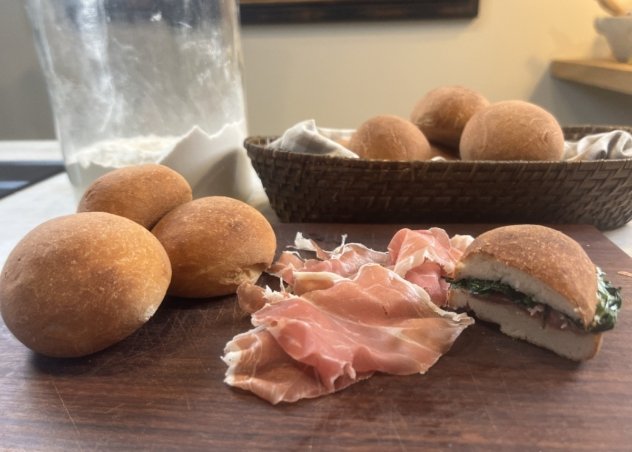
Here is the recipe for soft and delicate Gluten-free milk rolls—perfect not only to accompany meals or breakfast, but also as a versatile base for other preparations. In particular, they work beautifully in one of the regional recipes featured in our culinary Giro d’Italia in 20 recipes.

Since white bread is not always the best ally for blood sugar levels, we can make a small but effective adjustment: replace 20 g of one of the gluten-free flours with 20 g of inulin. This simple swap helps slightly lower the glycaemic index without compromising texture or flavour.

Now it’s time to get your hands into the dough. Just a few steps, a little care, and the aroma of freshly baked bread will do the rest. Let’s prepare these gluten-free milk rolls together, ready to tell the story of a stage of our Giro d’Italia… one bite at a time.
ilaria-bertinelli-panini-al-latte

Gluten-free Milk Rolls

51g carbohydrates per 100g

Ingredients for about 10 rolls

  • 400 g milk
  • 320 g gluten-free bread flour mix Nutrifree **
  • 100 g gluten-free bread flour mix Farmo **
  • 60 g wholegrain rice flour* (plus extra for dusting)
  • 50 g extra virgin olive oil
  • 12 g fresh baker’s yeast
  • 8 g fine salt
  • Extra virgin olive oil, for brushing

**Ingredients specific for celiacs

*Ingredients whose labels must read “gluten-free” (or, in Italy, present on  Prontuario AIC)

 Preparation


  1. Dissolve the yeast in the lukewarm milk together with the sugar.
  2. Place the flours in a bowl or in the bowl of a stand mixer. Gradually add the milk, mixing until smooth. Add the salt, then slowly drizzle in the olive oil.
  3. Using a spoon and a little rice flour, shape the dough into rolls of about 90 g each. Place them well spaced on a baking tray lined with parchment paper and brush the surface with extra virgin olive oil.
  4. Let the rolls rise until doubled in volume.
  5. Bake in a fan-assisted oven preheated to 200°C for 20–25 minutes, until golden brown.

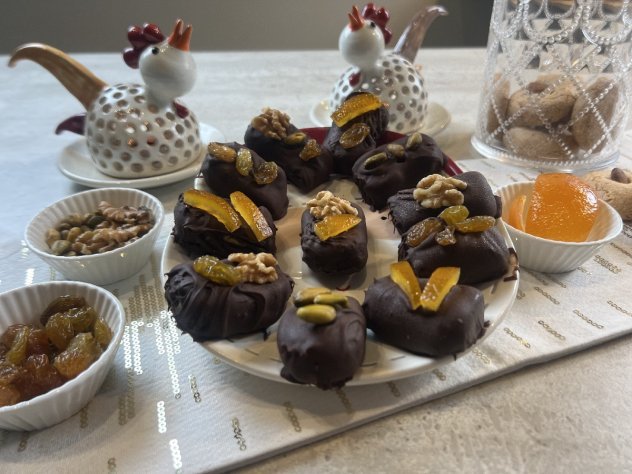
As the holiday season approaches, the desire to prepare simple yet impressive desserts grows—little treats to enjoy with a cup of tea or delightful bites to bring to the table and surprise family and friends. These gluten-free Pumpkin Bounty Bars are an easy and quick recipe, perfect for anyone looking for a Christmas sweet that brings together flavour, lightness, and a touch of festive colour.

Pumpkin, with its natural sweetness and creamy texture, makes each bite soft and comforting, while ricotta adds balance and lightness. The desiccated coconut completes the magic with its fresh, exotic note. The result? Small 25-gram treats—indulgent yet nutritionally balanced—ideal for a snack or as a mini dessert at the end of a meal.

Coated in dark chocolate and decorated with almonds, raisins, or candied orange peel, these Pumpkin Bounty Bars bring a charming mix of colours and aromas to your holiday table. They’re perfect for creating a Christmas dessert corner, enriching a festive buffet, or offering as a thoughtful homemade gift.

An inclusive, naturally gluten-free recipe that celebrates autumn flavours and the magic of Christmas with simplicity and creativity.

ilaria-bertinelli-bounty-alla-zucca

Pumpkin Bounty Bars

24.4 g carbohydrates per 100 g (without decorations)
6.1 g carbohydrates per 1 pumpkin bounty

Ingredients

  • 200 g ricotta cheese
  • 80 g desiccated grated coconut*
  • 70 g cooked pumpkin, already cleaned
  • 40 g icing sugar*
  • 150 g dark chocolate

Ingredients to decorate

  • Almonds, raisins, and orange peel

**Ingredients specific for celiacs

*Ingredients whose labels must read “gluten-free” (or, in Italy, present on  Prontuario AIC)

Preparation

  1. Mash the cooked pumpkin with a fork or blend it until smooth.
  2. Soften the ricotta in a bowl, then add the icing sugar, pumpkin purée, and finally the desiccated coconut.
  3. Shape the mixture into 25-gram bars, place them on a plate and refrigerate for at least 30 minutes.
  4. In the meantime, melt the dark chocolate over a bain-marie or in the microwave and let it cool slightly.
  5. Dip each coconut bar into the chocolate to coat it completely, lay it on a baking sheet lined with parchment paper, and decorate with raisins, almonds, or orange peel.
  6. Store in the fridge until ready to serve.

ilaria-bertinelli-bounty-alla-zucca

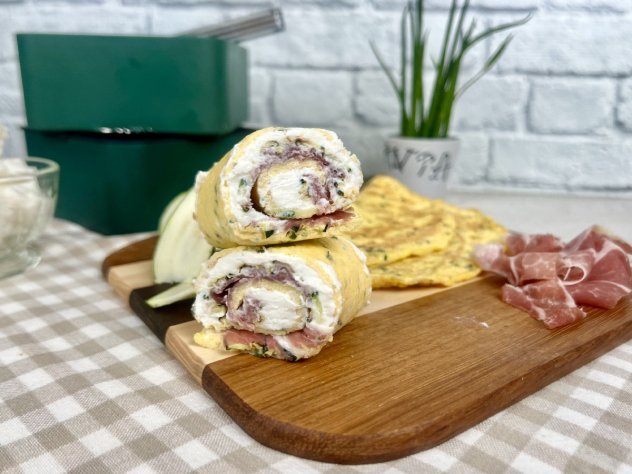
With the return to school and university, the challenge is always the same: finding practical, healthy, and tasty lunch box ideas. This Creamy Frittata with Grilled Courgettes is the perfect solution: quick to prepare, light yet full of flavor, and made irresistible by its creamy ricotta layer, grilled zucchini, and the special touch of Parma Ham.

Rolled up and cut in half, it fits perfectly into a lunch box and is easy to enjoy anywhere.

Paired with bread, seasonal fruit, and some crunchy vegetables, it becomes a complete meal you can conveniently take with you.

Discover more lunch box ideas, such as this Venere rice salad with cherry tomatoes and pistachios.

ilaria-bertinelli-frittata-cremosa-con-zucchine-grigliate

Creamy frittata with grilled courgettes

2g carbohydrates per 100g

Ingredients for 2 Frittatas

  • 200g sheep’s ricotta
  • 4 eggs
  • 1 courgette
  • 30g grated Parmigiano Reggiano
  • Parma Ham (I used the shank part)
  • chopped fresh herbs
  • extra virgin olive oil
  • salt and pepper

**Ingredients specific for celiacs

*Ingredients whose labels must read “gluten-free” (or, in Italy, present on  Prontuario AIC)

Preparation

  1. Slice the courgettes thinly with a mandoline and quickly grill them on both sides.
  2. Beat the eggs in a bowl with a pinch of salt, add the grated Parmigiano, and cook 2 frittatas in a 22 cm non-stick pan until set.
  3. Sieve the ricotta to make it creamy, season it with chopped herbs, one tablespoon of olive oil, salt, and pepper.
  4. Spread the frittatas out, cover with a layer of ricotta, add the grilled courgettes, and finish with slices of Parma Ham. Roll them up and place in the lunch box, cut in half.

Pasta with baked anchovies and cherry tomatoes is a dish that brings together colour, flavour and wellbeing in a single, balanced recipe. This month’s colour is grey – an unusual tone in the kitchen, yet surprisingly rich in inspiration when you choose ingredients like fresh anchovies and sunflower seeds. They prove that even grey can have a tasty and creative soul.

Anchovies are a nutritional treasure for anyone following a diet that supports metabolic health: rich in high-quality proteins, omega-3 fatty acids and vitamin D, they help reduce inflammation and improve insulin sensitivity. This makes them an excellent protein source for people with diabetes. They are also naturally gluten-free and easy to digest.

Sunflower seeds, often used as a crunchy topping, add not just texture but also valuable nutrients: they’re rich in unsaturated fats, magnesium and phytosterols, which help control blood sugar and maintain a healthy lipid profile.

Moreover, both anchovies and sunflower seeds are good sources of selenium – a mineral that protects cells from oxidative stress and helps prevent cellular ageing. In short, this is a simple dish with the qualities of a true natural supplement!

If you like anchovies, try my Onion and anchovy flat bread too.

Pasta with baked anchovies and cherry tomatoes

 28g carbohydrates per 100g

Ingredients for 4 servings

  • 500g cherry tomatoes
  • 400g fresh anchovies (to be cleaned)
  • 300g gluten-free pasta Gnocchi or Caserecce by Massimo Zero**
  • 60g gluten-free breadcrumbs**
  • 50g grated Parmigiano Reggiano
  • 15g salt-preserved capers
  • 1 lemon (zest only)
  • sunflower seeds
  • 1 garlic clove
  • extra virgin olive oil
  • oregano
  • chilli pepper
  • salt

**Ingredients specific for celiacs

*Ingredients whose labels must read “gluten-free” (or, in Italy, present on  Prontuario AIC)

Preparation

  1. First, clean the anchovies by removing the head, innards and central bone. Rinse and pat them dry.
  2. In a bowl, mix the breadcrumbs, grated Parmesan, rinsed and chopped capers, a pinch of finely chopped garlic, oregano, chilli pepper, and grated lemon zest.
  3. Lightly coat the bottom of a baking dish with some of this aromatic breadcrumb mixture. Arrange the anchovies open like a book in a single layer, then top with halved cherry tomatoes, cut side down on the fish. Sprinkle with the remaining breadcrumb mixture and drizzle with olive oil.
  4. Bake in a preheated fan oven at 250°C for about 10 minutes.
  5. Meanwhile, cook the pasta in lightly salted boiling water. Drain and toss with the baked anchovies and tomatoes.
  6. Sprinkle with sunflower seeds and serve hot.

ilaria-bertinelli-pasta-con-alici-e-semi-di-girasole

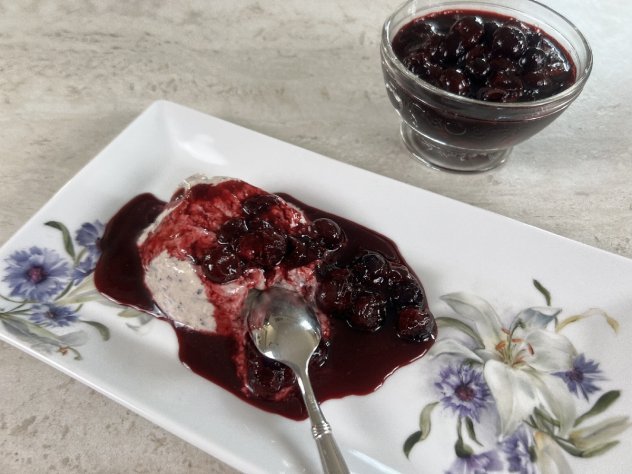
Blueberry panna cotta with fruit-only sugars is a light and naturally sweet dessert, perfect for those looking for a delicious yet mindful treat. Made without added sugars and with the option to use plant-based milk and cream, this recipe is also ideal for those who are lactose intolerant or follow a vegan diet.

What makes this dessert so special are the dates—rich in fiber, minerals, and natural sugars with a low glycemic index—and the blueberries, true health allies thanks to their high content of antioxidants, vitamin C, and anthocyanins, compounds that support microcirculation and skin wellness.

Its low carbohydrate content makes it a great dessert or snack for anyone who needs to manage their blood glucose levels, like us: enjoy every spoonful of this fresh, colorful, and versatile treat!

If you’re looking for more desserts with no added sugars, try our Peach pudding with coconut and mint.

Blueberry panna cotta with fruit-only sugars

10.73g carbohydrates per 100g

Ingredients for 7 servings

  • 500g blueberries
  • 500g plant-based* or dairy milk
  • 250g plant-based* or dairy cream
  • 100g dates
  • 20g sheet gelatine*
  • lemon juice

*Ingredients whose labels must read “gluten-free” (or, in Italy, present on Prontuario AIC)

Preparation

  1. Soak the gelatine sheets in cold water until soft.
  2. Heat a small amount of milk and stir in the softened gelatine until fully dissolved.
  3. In a tall container, combine the milk, cream, pitted dates, and half the blueberries. Blend with an immersion blender until smooth, then add the dissolved gelatine.
  4. Pour the mixture into 7 silicone moulds (for unmoulding later) or into small serving glasses. Refrigerate until set.
  5. Meanwhile, cook the remaining blueberries in a non-stick pan with lemon juice until they release a thick, bright sauce. Let cool.
  6. Unmould the panna cotta or serve in glasses, topping with the blueberry sauce.

ilaria-bertinelli-panna-cotta-ai-mirtilli-con-solo-zuccheri-della-frutta

Who said healthy snacks can’t be irresistible? These Brown rice crackers with turmeric are not only naturally gluten-free, lactose-free, and vegan, but they also feature the incredible power of an extraordinary spice.

Turmeric, with its vibrant golden colour, is much more than just an ingredient—it’s a true ally for wellbeing. Known for its anti-inflammatory and antioxidant properties, this spice adds a lively touch to any dish. And in these crackers, its mildly spicy flavour perfectly complements the crunchiness of brown rice.

Perfect for snacking on their own or pairing with dips and hummus, these crackers are the ideal guilt-free treat for those looking for both flavour and lightness in every bite!

Brown rice crackers with turmeric

45.8g carbohydrates per 100g

Ilaria-bertinelli-cracker-di-riso-alla-curcuma

Ingredients

  • 210g brown rice flour*
  • 100g water
  • 100g blended almonds (ground into flour)
  • 40g extra virgin olive oil
  • 5g baking powder for savoury recipes*
  • turmeric
  • salt

**Ingredients specific for celiacs

*Ingredients whose labels must read “gluten-free” (or, in Italy, present on Prontuario AIC)

Preparation

  1. Mix all ingredients until you obtain a smooth, homogeneous dough.
  2. Cover the dough with plastic wrap and let it rest for 30 minutes.
  3. Roll out the dough with a rolling pin, cut it into strips of your desired size, and bake in a preheated static oven at 200°C for 10 minutes or until crispy.

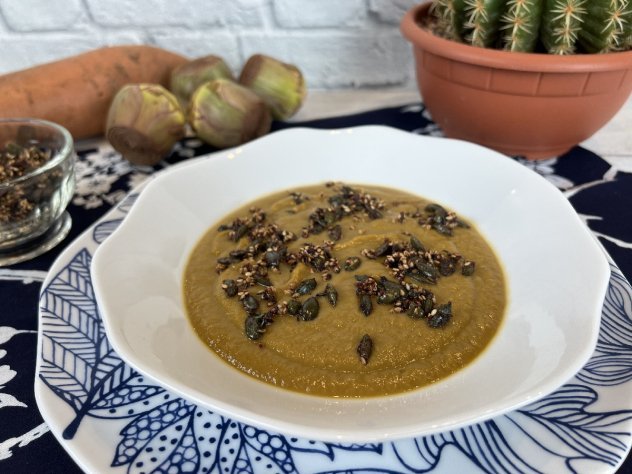
This warm and creamy soup is true comfort food. Alongside its excellent nutritional properties, it features a delightful Middle Eastern touch with za’atar. Try my Sweet Potato and Artichoke Soup for a wholesome and flavourful dish!

Let’s take a closer look at the ingredients!

Sweet potatoes, often mistaken for regular potatoes, are actually quite different in both taste and nutritional value. Naturally sweet, they have a lower glycaemic index than regular potatoes, are rich in fibre, and contain a large amount of beta-carotene, ideal for boosting the immune system.

Artichokes, with their delicately bitter flavour, perfectly complement the soup by providing valuable fibre, inulin, and antioxidants, promoting digestive health and intestinal well-being.

What is za’atar? It’s an aromatic spice blend typical of Middle Eastern cuisine, traditionally made with thyme, oregano, sumac, and sesame seeds. In my version, I’ve replaced oregano with pumpkin seeds to create a more nutritionally interesting combination, thanks to their healthy fats.

Sumac is a bright red spice with a fresh, slightly citrusy flavour. It’s made from the dried and ground berries of the Rhus coriaria plant, native to the Mediterranean and Middle Eastern regions. Just a touch is enough to create the perfect balance between tradition and creativity!

Fancy more soups? Try the Chestnut and Grass Pea Soup.

Sweet potato and artichoke soup with za’atar

7g carbohydrates per 100g

Ilaria-bertinelli-vellutata-di-patate-dolci-e-carciofi

Ingredients for 4-6 servings

  • 1 lt ca. vegetable stock* or water
  • 8 cleaned artichokes (approximately 600 g)
  • 2 sweet potatoes (approximately 500 g)
  • 1 shallot (approximately 30 g)
  • Extra virgin olive oil
  • Salt and pepper

Ingredients for za’atar

  • 2 tablespoons pumpkin seeds
  • 2 teaspoons sesame seeds
  • 1 teaspoon dried thyme
  • 1 teaspoon sumac
  • ½ teaspoon salt
  • Extra virgin olive oil

**Ingredients specific for celiacs

*Ingredients whose labels must read “gluten-free” (or, in Italy, present on Prontuario AIC)

Preparation 

  1. Finely chop the shallot and sauté it in a saucepan with a drizzle of olive oil. Add the artichokes cut into wedges and the cubed sweet potato. Let them sauté for a few minutes, then cover with water or vegetable stock and cook for about 30 minutes or until the artichokes are perfectly tender.
  2. Blend everything until smooth and adjust with salt and pepper to taste.
  3. Prepare the za’atar. Toast the pumpkin seeds in a non-stick pan with a tablespoon of olive oil. Add the other ingredients and let them sauté for a few minutes, then set aside.
  4. Serve the soup with a spoonful of za’atar.

With February’s arrival, nature offers us ingredients packed with nutrients and authentic flavours, perfect for those living with type 1 diabetes and coeliac disease. My February salads combine taste and health, ideal for enhancing your winter table.

February Salads: Winter Flavours and Wellness on Your Table

In the Cauliflower and Pumpkin Salad, these two vegetables create a delightful balance of flavours and textures. Cauliflower, with its low glycaemic index and high fibre content, helps maintain blood sugar levels stable. Pumpkin, besides adding a pop of colour, is rich in beta-carotene and vitamins. The addition of boiled eggs completes the dish with high-quality proteins, making it both nutritious and satisfying.

The Winter Greek Salad is my tribute to a recent adventure in Greece: crisp iceberg lettuce with flavourful black olives and a creamy Greek yoghurt dressing enriched with cucumber, reminiscent of the famous tzatziki sauce. Iceberg lettuce provides fibre and water, black olives offer healthy fats and antioxidants, and the creamy Greek yoghurt sauce with cucumber supports digestive health thanks to probiotics and cucumber fibre.

Why choose seasonal vegetables for February salads?
Opting for seasonal ingredients ensures maximum flavour and nutrients. Get ready to enjoy the best of winter with these salads that combine taste, colour, and wellness!

Winter Greek Salad

13.5g carbohydrates per 100g

insalata-greca-invernale

Ingredients for 4 servings

  • 200 g cooked chickpeas
  • 100 g feta cheese
  • 100 g leftover gluten-free bread**
  • 100 g cucumber
  • 100 g iceberg lettuce
  • 50 g Kalamata black olives
  • 30 g fat-free Greek yoghurt
  • 1 lemon
  • oregano
  • mint
  • extra virgin olive oil
  • salt and pepper

**Ingredients specific for celiacs

*Ingredients whose labels must read “gluten-free” (or, in Italy, present on Prontuario AIC)

Preparation

  1. Cut the bread into cubes and toast in a non-stick pan. When it starts to crisp, drizzle with a little oil, a pinch of salt, and oregano.
  2. Trim the cucumber, grate it, sprinkle with a pinch of salt, and place it in a colander to drain. Squeeze well, then blend it with the yoghurt, juice of half a lemon, a few mint leaves, salt, and pepper to create a sauce.
  3. Crumble the feta cheese and mix it in a bowl with the chickpeas, shredded lettuce, and olives, seasoning everything with a drizzle of oil.
  4. Serve on plates and top with the cucumber yoghurt sauce and crispy croutons.

Cauliflower and Pumpkin Salad

3g carbohydrates per 100g

insalata-di-cavolo-e-zucca

Ingredients for 4 servings

  • 500g mixed-colour cauliflower
  • 400g pumpkin
  • 4 boiled eggs
  • 100g baby spinach
  • thyme
  • oregano
  • extra virgin olive oil
  • salt and pepper

Preparation

  1. Separate the cauliflower into florets and cook in the microwave on high for 4 minutes.
  2. Cut the pumpkin into cubes and place them on a baking tray lined with parchment paper. Sprinkle with thyme, oregano, salt, and pepper, and drizzle with a little oil. Roast in a preheated fan oven at 180°C until golden.
  3. Place the spinach in a bowl and season with extra virgin olive oil and salt.
  4. Boil the eggs for 8 minutes, peel them, and separate the yolks from the whites.
  5. Assemble the plates by layering the spinach, followed by cauliflower florets, pumpkin cubes, and crumbled egg whites. Finish by passing the yolks through a sieve to create a pollen-like texture.
  6. Sprinkle with a pinch of salt, pepper, and a drizzle of extra virgin olive oil.


Which salads can we prepare during the holiday season? December salads couldn’t but be suitable for a period of parties and celebrations.

In fact, these salads complement each other because one is perfect for enriching festive meals and the other for a detox meal before or after the Christmas treats.

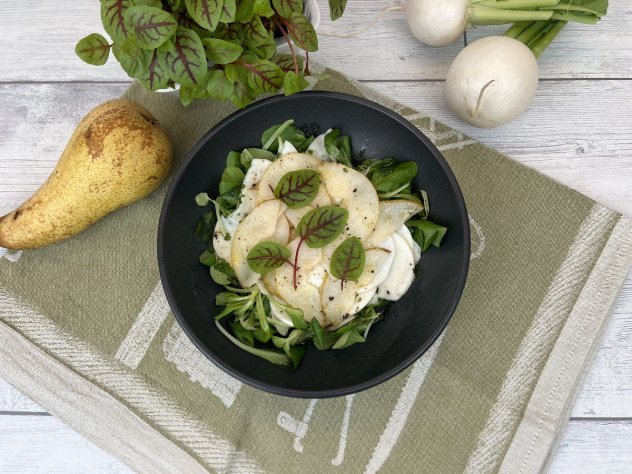
Turnip and lamb’s lettuce salad is a way to use two ingredients that we rarely bring to the table at our place. White turnip is very low in calories, contains no cholesterol, has only 6 carbohydrates per 100g, but is very rich in vitamins and minerals, so consuming it means providing a good dose of antioxidants to cope with the cold season.

Coleslaw Salad is a great classic of Anglo-Saxon cuisine, but especially of Newark buffets, to use the cabbage in a mouth-watering way. The name is in fact the transformation into English of the Dutch terms ‘kool’, cabbage, and ‘sla’, a nickname for salad. My version is a light interpretation of the original in that I eliminated sugar in the preparation and diluted the mayonnaise with equal amounts of zero-fat Greek yoghurt.

Happy holidays by bringing December salads to the table, but don’t forget to explore other salad ideas, e.g. October salads.

Turnip and lamb’s lettuce salad

9,56g carbohydrates per 100g

insalata-di-rapa-bianca-e-songino

Ingredients for 4 servings

  • 2 white turnips
  • 100g lamb’s lettuce or other leafy greens
  • 90g pear
  • 20g maple syrup or honey
  • lemon juice
  • a few parsley leaves
  • extra virgin olive oil
  • salt and pepper
  • wood sorrel (optional)

Preparation

  1. Peel the turnips with a peeler, slice them very thinly using a mandoline and macerate them for 10-15 minutes with an emulsion of lemon juice, extra virgin olive oil, salt and parsley.
  2. Slice the pear with the peel.
  3. Prepare a vinaigrette by mixing a few tablespoons of oil, lemon juice, salt, pepper and chopped parsley.
  4. Arrange the lamb’s lettuce on the bottom of each plate, lay the turnip and pear on top, drizzle with the vinaigrette and finish with a grinding of pepper and the sorrel leaves.

Coleslaw

7g carbohydrates per 100g

Insalata-coleslaw

Ingredients for 4 servings

  • 250g white cabbage (approx. 1/2 cabbage)
  • 170g carrots (approx. 2)
  • 1 Granny Smith apple
  • 2 celery stalks
  • 3 spring onions (the white part)
  • 40g raisins
  • 40g shelled walnuts
  • chopped fresh herbs
  • salt and pepper

Ingredients for the sauce

  • 150g mayonnaise*
  • 150g fat-free Greek yoghurt
  • 1 teaspoon of Dijon mustard*
  • 20g lemon juice
  • salt and pepper

**Ingredients specific for celiacs

*Ingredients whose labels must read “gluten-free” (or, in Italy, present on  Prontuario AIC)

Preparation

  1. Cut the cabbage into very thin strips; grate the carrots into julienne strips and slice the apples with the peel, but without the core.
  2. Chop the celery and spring onion finely, then put all the vegetables in a bowl.
  3. In a bowl, prepare the sauce: mix mayonnaise and yoghurt, season with mustard and lemon, then season with salt and pepper.
  4. Pour the dressing over the vegetables and mix well: the salad should be very well bound, i.e. have just the right amount of dressing to hold the vegetables together.
  5. Top the salad with sultanas and coarsely chopped walnuts, then complete with chopped fresh herbs to taste.

The cold season stimulates the desire for hot drinks that immediately bring us a sense of contentment and pleasure, especially when accompanied by a simple, light and old-fashioned sweet such as this Coffee-flavoured oil doughnut.

A few ingredients, a non-stick mould and the handy release agent spray are all you need for a guaranteed result.

You can use the Coffee-flavoured oil doughnut either as a dessert at the end of a meal, accompanying it with a cream of your choice, a scoop of ice cream, a spoonful of jam or a small glass of coffee liqueur, or enjoy it at breakfast accompanied by a refreshing and invigorating yoghurt.

More breakfast ideas? Try the Brioche braid.

Coffee-flavoured oil doughnut

46g carbohydrates per 100g

ciambella all'olio

Ingredients

  • 125g sugar
  • 100g potato starch*
  • 100g wholemeal rice flour*
  • 100g water
  • 100g coffee
  • 100g seed oil
  • 50g corn starch*
  • 3 eggs
  • 16g baking powder*
  • cinnamon powder
  • tonka bean

**Ingredients specific for celiacs

*Ingredients whose labels must read “gluten-free” (or, in Italy, present on  Prontuario AIC)

Preparation

  1. With an electric whisk, whip the eggs with the sugar until white and frothy, add the oil in a trickle, the warm coffee and water.
  2. Very slowly incorporate starch, flour and baking powder by sifting and continuing to stir.
  3. Flavour with cinnamon and grated tonka bean. Grease and flour a mould and pour in the mixture.
  4. Bake in a static oven preheated to 180°C for about 40 minutes.