Giro d’Italia in 20 recipes

Gluten-free Agnolotti del Plin

Some regions tell their story through a single dish of filled pasta. And Piedmont, on this, has no doubts: Agnolotti del Plin—small, elegant, handmade ravioli, shaped with that precise and affectionate gesture that gives the recipe its name. Plin, in the local dialect, means “pinch”: the movement of the fingers that seals the pasta and encloses a filling rich in history.

For the Piedmont stage of my Giro d’Italia in 20 Recipes, I had a chat on Meet with Priscilla, who told me how much she has missed Agnolotti del Plin since living with coeliac disease.
Not so much because they can’t be made at home… but because they are hard to find in restaurants. And for someone who is coeliac, this often means giving up the very dishes that best represent local culinary traditions.

So here we are, facing a new challenge: bringing the magic of gluten-free Agnolotti del Plin to the table, while trying to preserve their true soul—the thin pasta, the flavourful filling, and the simple seasoning that lets the quality of the ingredients speak for itself.

This recipe is my way of saying to Priscilla (and to all of you): regional cuisine doesn’t have to become a “memory” after diagnosis. It can turn into a new possibility—more inclusive, and just as delicious.

I got to work with a clear goal in mind: a plin that seals well, holds up during cooking, and above all… tastes truly like Piedmont.

ilaria-bertinelli-agnolotti-del-plin

Agnolotti del Plin

32g carbohydrates per 100g

Ingredients for 4 servings
For the pasta:

  • 120g wholegrain rice flour
  • 35g potato starch
  • 25g cornstarch
  • 20g fine wholegrain corn flour
  • 2 eggs
  • 2g guar gum
  • 1.5g xanthan gum
  • 1 tablespoon oil
  • Water, as needed

For the filling

(The quantity is double what you need, but given the long cooking time it’s a shame to make less. Alternatively, double the pasta and freeze the agnolotti you don’t use straight away.)

  • 1 litre meat or vegetable stock
  • 200g pork loin
  • 200g veal
  • 200g Swiss chard or spinach, blanched or sautéed (raw weight)
  • 100g carrot
  • 80g onion
  • 80g celery
  • 50g grated Parmigiano Reggiano
  • 1 garlic clove
  • 1 egg
  • Nutmeg
  • Salt
  • Pepper

For dressing

  • Grated Parmigiano Reggiano
  • Butter
  • Sage

**Ingredients specific for celiacs

*Ingredients whose labels must read “gluten-free” (or, in Italy, present on  Prontuario AIC)

Preparation

  1. Start with the filling: cut the meat into pieces and brown it with a drizzle of oil in a casserole. Add the onion, celery and carrot, all chopped, along with the crushed garlic clove. Sauté for a few minutes, then season with salt and pepper to taste.
  2. Cook over low heat for about 2 hours, covered with a lid, adding hot stock when needed. Once cooked, let the meat cool completely. Transfer the meat and its cooking vegetables to a blender together with the Swiss chard, Parmigiano, egg and nutmeg. Blend until you obtain a soft but fairly dry mixture. Adjust seasoning and set aside.
  3. Prepare the pasta by combining all the dry ingredients with the eggs, a pinch of salt, the oil and enough water to form a smooth, homogeneous dough.
    Wrap the dough in cling film and let it rest at room temperature for 30 minutes.
  4. Once rested, start shaping the agnolotti: flatten a piece of dough with a rolling pin, dusting lightly with flour, then roll it out using a pasta machine to the desired thickness. I went to the second-to-last setting on my Imperia machine.
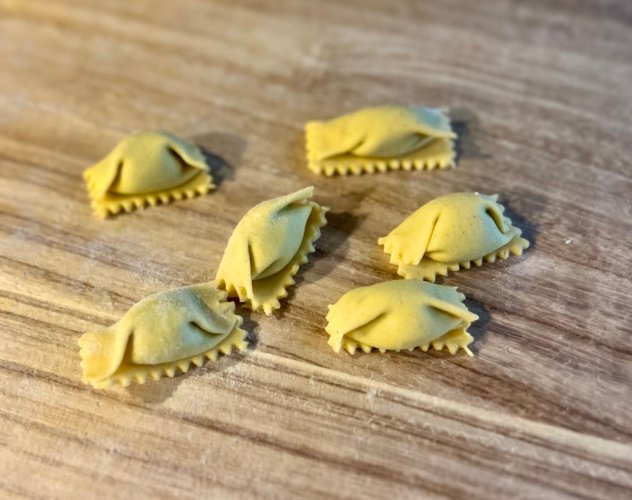
  5. Using a piping bag (or a teaspoon), place small hazelnut-sized mounds of filling on the pasta sheet, spacing them about 2 cm apart. Fold the sheet over the filling, press between the mounds and along the top to remove any air and seal well. Using a fluted pastry wheel, cut between the mounds and seal the edges with your fingers to form the agnolotti.
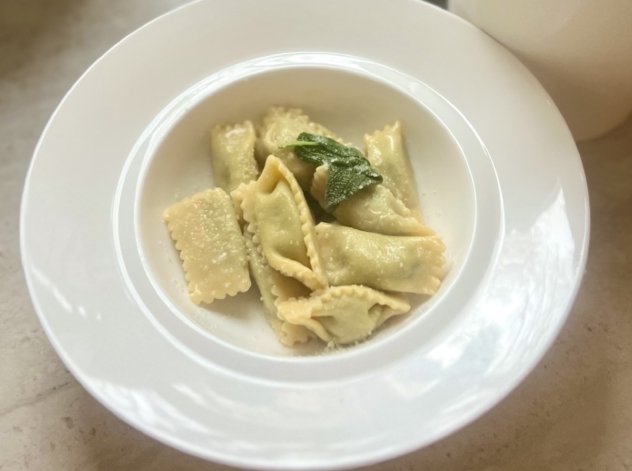
  6. Cook the agnolotti in boiling salted water for 3–4 minutes. Drain and toss them gently in a pan with melted butter and sage leaves for a couple of minutes. Serve hot, finished with a generous grating of Parmigiano Reggiano.

ilaria-bertinelli-agnolotti-del-plin

Tour of Italy in 20 ricette

Gluten-free Seupa alla Valpellinentza

With this first interview and recipe, my Tour of Italy in 20 Recipes officially begins—a project that, over the coming months, will take me on a journey across Italy from north to south, one region at a time, collecting stories, memories, and comfort dishes from people who, after being diagnosed with celiac disease, were forced—at least for a while—to give up flavors deeply connected to their personal history.

The first stop could only be Valle d’Aosta, a land of hearty, mountain-inspired, convivial cuisine. Guiding me on this opening stage were Michela and Mirella, who shared with me their Seupa alla Valpellinentza, a soup that is emblematic of the region—rich, deeply flavorful, and full of memories.

One of the key ingredients of this traditional recipe is rustic bread, a central element that is often difficult to replicate in a gluten-free version that truly lives up to the original. To honor the spirit of the dish, I chose to use my own recipe for Crunchy Wholemeal Gluten-Free Bread, which proved to be perfect in terms of structure, flavour, and its ability to absorb liquids, giving this soup an irresistible texture and depth of taste.

The result is a gluten-free Seupa alla Valpellinentza that preserves the soul of the traditional recipe and finally makes it possible to rediscover this great classic of Valdostan cuisine in a safe, gluten-free version.

This is just the beginning of the journey!
The next stop will be Piedmont: a new region, a new story, and a new recipe to bring back to the table in a gluten-free version.

Stay tuned to find out which recipe will be next.

ilaria-bertinelli-seupa-alla-valpellinentza

Gluten-free Seupa alla Valpellinentza

9g carbohydrates per 100g

Ingredients

**Ingredients specific for celiacs

*Ingredients whose labels must read “gluten-free” (or, in Italy, present on  Prontuario AIC)

Preparation


  1. Clean the Savoy cabbage and cut it into strips about 1 cm wide. Boil it in the meat broth until tender, then drain it, keeping both the cabbage and the broth aside.
  2. Cut the Fontina cheese into slices or chunks, removing the rind.
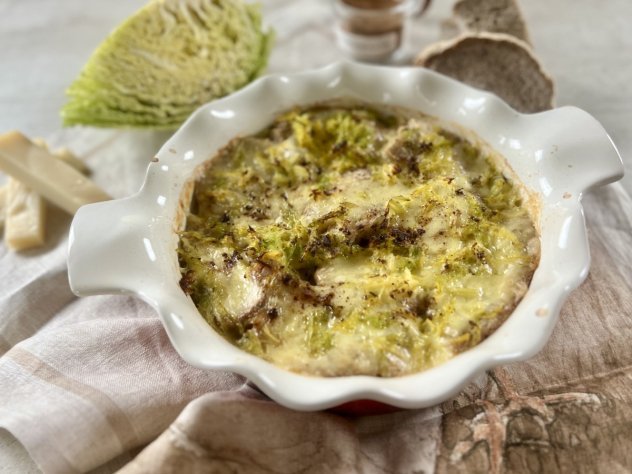
  3. Lightly grease a baking dish with olive oil and arrange a first layer of bread. Top with pieces of Fontina and the cooked cabbage, then add a ladle of broth before starting the next layer. I made two layers of bread.
  4. Finish with a final layer of bread topped with cabbage, Fontina, melted butter, and a light dusting of cinnamon. Add two or three generous ladles of broth, allowing the bread to absorb the liquid.
  5. Bake in a fan-assisted oven preheated to 180°C (356°F) for about 20 minutes. Once ready, let the soup rest in the switched-off oven for about 10 minutes before serving.


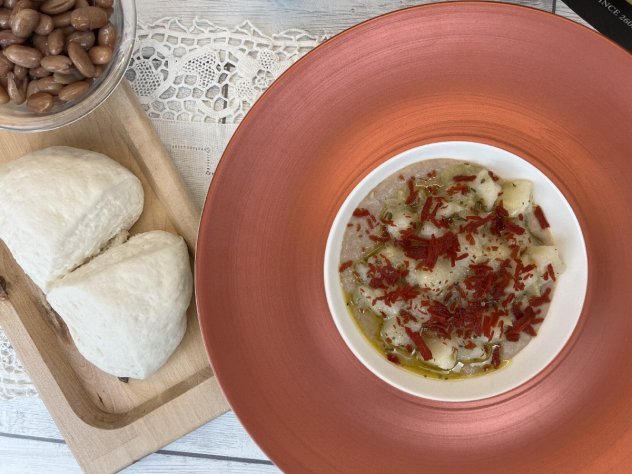
Would you like an original idea coming from the tradition of a land very dear to me? Here are the Pizzicotti with Fagiolo gentile di Labro bean cream topped with an irresistible oil flavoured with ginger and marjoram.

Once again, the gastronomic journey is in Lazio thanks to the Rieti Chamber of Commerce, which sent us the local ingredients to prepare this recipe with a very special ingredient: Fagiolo gentile di Labro a Slow Food Presidium and a product included in the list of Italian Traditional Agricultural Products (PAT in Italian).  It is a variety of bean that grows exclusively in the Avanzana Valley at the foot of the village of Labro, in the province of Rieti. It is light brown in colour and its fame is due to the tenderness of its skin and its delicate, sweet taste: the adjective ‘gentile’, i.e. gentle, by which it is called derives from such sweetness.

This traditional dish from Lazio is a perfect meal from a nutritional point of view, so why not use it as a holiday season dish? It is perfect both to brighten up banquets and to alternate meals characterised by the presence of meat and fish with a vegetarian recipe rich in plant protein and plenty of fibre.

To discover the great classic of the Rieti land, read my article and recipe for the The Perfect Amatriciana.

pizzicotti-con-crema-di-fagioli-di-labro

Pizzicotti with Fagiolo gentile di Labro bean cream and aromatic oil

29.6g carbohydrates per 100g 

Ingredients for 4 servings

  • 250g flour mix for bread, brand Nutrifree**
  • 180g water
  • 150g dried Fagiolo gentile di Labro beans
  • 4g brewer’s yeast
  • 50g extravirgin olive oil Sabina DOP
  • 20g dehydrated tomato flakes
  • 2 shallots
  • 2 celery sticks
  • 2 bay leaves
  • 1 piece of fresh ginger
  • 1 sprig of rosemary
  • marjoram
  • vegetable stock
  • grated Pecorino cheese
  • 1 pinch of bicarbonate of soda or 1 piece of Kombu seaweed

**Ingredients specific for celiacs

*Ingredients whose labels must read “gluten-free” (or, in Italy, present on  Prontuario AIC)

Preparation

  1. Soak the beans the night before in plenty of water and baking soda or a piece of Kombu seaweed.
  2. Warm up 50g of extra-virgin olive oil and infuse it with pieces of fresh ginger and marjoram leaves: you will obtain an aromatic oil that you can also use for other preparations.
  3. Dissolve the brewer’s yeast in a bit of water at room temperature, then pour it into a bowl with the flour and a pinch of salt and add the water required to obtain a smooth, not too hard dough.
  4. Divide the dough into at least 4 pieces, cover them with a tea towel and leave them to rise for about 20 minutes.
  5. In a saucepan, brown 1 shallot and 1 chopped celery stick in a little extra virgin olive oil and a sprig of rosemary, then add the soaked beans and bay leaves, cover with vegetable stock and cook (for at least 1 hour). When the beans are cooked, remove the bay leaf and rosemary and whisk to obtain a thick and creamy velouté. Season with salt and pepper.
  6. In a non-stick pan, put a drizzle of extra virgin olive oil and sauté the remaining shallot and celery finely chopped, season with chopped rosemary and sprinkle with vegetable stock to cook.
  7. After the dough has risen, bring a pot of water to the boil and lightly salt it. Take the pieces of dough, shape them into thin cylinders of about 1.5cm diameter and pinch them cutting off small knobs to be thrown into boiling water. Continue throwing the dough knobs into the boiling water and let them cook for at least 5 minutes considering that they would not become too cooked. Drain the ‘Pizzicotti’ with a slotted spoon, toss them into the non-stick pan with the chopped shallot and celery and allow them to cream slightly, adding a little cooking water.
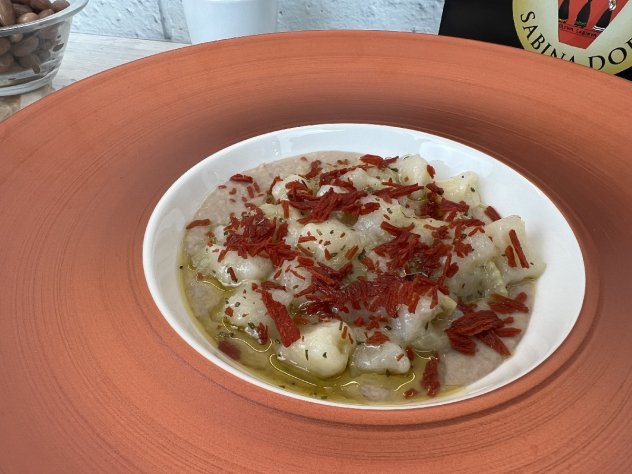
  8. Serve on individual plates, preferably in a soup dish, forming a layer of bean cream topped with Pizzicotti and a dribble of aromatic oil, grated Pecorino cheese and a pinch of dried tomato flakes.

pizzicotti-con-crema-di-fagioli-di-labro

Version with gluten of Pizzicotti with Fagiolo gentile di Labro bean cream and aromatic oil

Replace the flour mix for bread Nutrifree with an equal amount of wheat flour and adjust the amount of water to obtain a bread-like texture.

Our long weekend away from everything, including our children, has become an experience we don’t want to give up. Here we are, one year later, in another Parents’ Great Escape: a runaway to Langhe, a land of wine, food and culture where Alba shares with our home town, Parma, and Bergamo the recognition as a Unesco Creative City of Gastronomy.

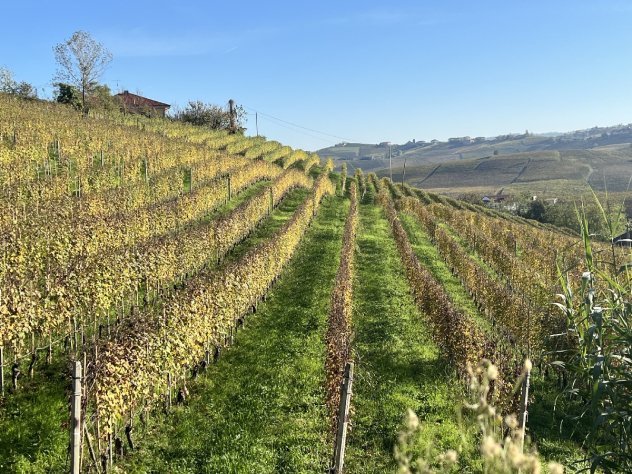
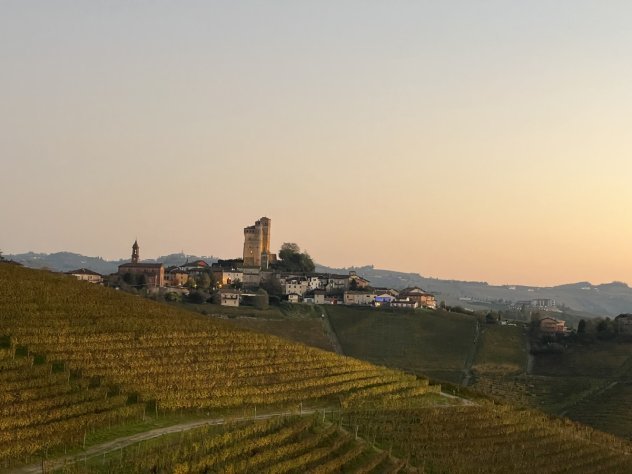
uno-dei-tanti-scorci-delle-colline-coltivate-a-vite

View of the hills covered with vineyards

Parents’ Great Escape to Langhe

This time the runaway was organised with our friends Mascia and Francesco, who share the same passion for what we consider “good living”: nature, authentic food and wine and, above all, people who are passionate about their land.

Thanks to the priceless support of Chiara Paglieri of Bottega Manera (which I will tell you about later) and Langhe Experience, our 3 days in the Langhe hills can be a perfect itinerary for everyone who decides to spend a weekend in Piedmont.

alba-novembre-2024

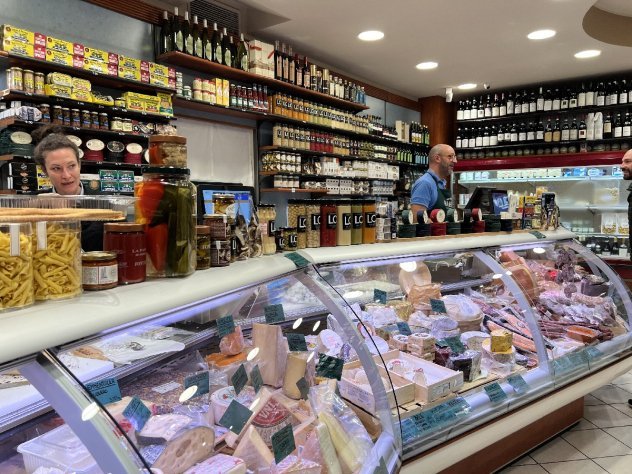
The expanse of sweet and savoury preserves prepared by Noemi Lora and Paolo Anselmino, the passionate owners of the ‘I frutti della mia Langa’ shop, a food and wine paradise in Alba.

We left super early because Alba in Italian means “dawn” and we wanted to be consistent with our destination! So much so that we our mouth-watering gourmet shopping at I frutti della mia Langa  came just at the perfect time. Noemi’s magical hands transform the products of the land into irresistible preserves: Langhe peppers with tuna, anchovy fillets with bagnet verd, rural antipasto, red bagnet of the Langhe, bagna cauda to name but a few of the specialities that contribute to making Piedmontese appetisers rich and fabulous.

Why fish in Piedmontese cuisine

I have always been fascinated by the presence of fish in Piedmontese cuisine because it tells the story of the region. In fact, being along the salt route coming from France and leading to other parts of Italy, Piedmont had become a land of intense clandestine trade of this precious ingredient burdened with heavy customs duties. Thus, in order to hide their goods, smugglers covered the salt barrels with layers of anchovies, a practice that favoured the spread of anchovies themselves and the birth of anchovy traders who offered them door-to-door, giving rise to flourishing businesses.

alba-novembre-2024

Moreover, Piedmont’s proximity to the port of Genoa had fuelled the movement of men from the hinterland to the sea where they found work as sailors. They returned home not only with money in their pockets, but also with non-perishable provisions of fish preserved in oil or salt.

Today, it is precisely tuna and anchovies that are the stars of some of the most iconic dishes of the traditional cuisine, which we thoroughly enjoyed in every trattoria and restaurant we visited: vitello tonnato and bagna cauda.

alba-novembre-2024

Traditional starter: veal with tuna sauce, tuna-tender rabbit, stuffed Piedmontese pepper

First wine tasting stop, the historical Lodali Winery

In the centre of the village of Treiso, tucked away among the houses, is the historic Lodali Winery, which has been producing Barolo and Barbaresco since 1958. That was before the 1966 Production Specifications laid down the requirements for obtaining the prestigious D.O.P. label.

alba-novembre-2024

Lodali WineryWe walked down to the damp marl and tufa soil surrounding the wooden barrels, and returned to the surface for a tasting of 7 wines. They took us on a journey that recounts the colours, aromatic notes and flavours of Chardonnay, Arnais, Dolcetto, Barbera d’Alba, Barbaresco and Barolo, culminating with the Lorens Reserves produced with grapes from the historic vineyards that Walter, the winery’s patron, dedicated to his father Lorenzo.

alba-novembre-2024

Barrels in the Lodali winery

alba-novembre-2024

In the tasting room with Walter Lodali

Fortunately for us, the route to Neive, our lunch destination, is short and our schedule has an “à la carte” lunch at the Cantina del Rondò restaurant: authentic cuisine that gets straight to the heart, without frills or distractions.

The gluten free cuisine is made of extraordinary starters and main courses accompanied by packaged bread substitutes that are not even comparable to the typical breadsticks.  Each course delivers the taste and dedication of the tireless owner who shifts from the kitchen to the entrance hall to gracefully welcome her guests.

alba-novembre-2024

A calorie-burning stroll through the sun-kissed village of Neive, swarming with people intent on enjoying wine and food everywhere, is a must.

Alba, the city of truffle and hazelnuts

A stop over in the city of Alba was just what we needed. In autumn weekends the town turns into a Babylon of different languages, music, interesting characters wandering around and whiffs of truffle and sugary hazelnut. We follow this unstoppable flow all the way to the opposite end of town.

alba-novembre-2024

Our stop is Bottega Manera, where Chiara Paglieri and Eugenio Manera are constantly involved in their gastronomic research. They welcome us with the bubbling sound of an amazing classic method 100% Pinot Noir named Cugià (Azienda Vitivinicola Merenda Sinoira). Then, they surprise us, we the Parmesans, not only with a 24-month dry-cured Cuneo ham, but also with an expanse of more than 120 types of cheese including alpine pasture cheese smelling like fields of flowers, lavender and anise-scented goat cheese from the local Lo Puy farm. Not to mention the enveloping creaminess of Seirass ricotta and the soft curls of French sweet and demisel butter in a wooden basket.

alba-novembre-2024

The gastronomic paradise of Bottega Manera

alba-novembre-2024

Giulia and Eugenio, passionate owners of the store

In short, the 12,000 steps walked, certainly cannot burn off all the goodness that the day has given us, also because the icing on the cake awaits us for dinner at La Piola restaurant. This is a “relative” of the three-star Piazza Duomo restaurant by chef Enrico Crippa, who created it with the support of the Ceretto family to celebrate the excellence of traditional Langa’s cuisine.

Barolo means wine, museums and castles

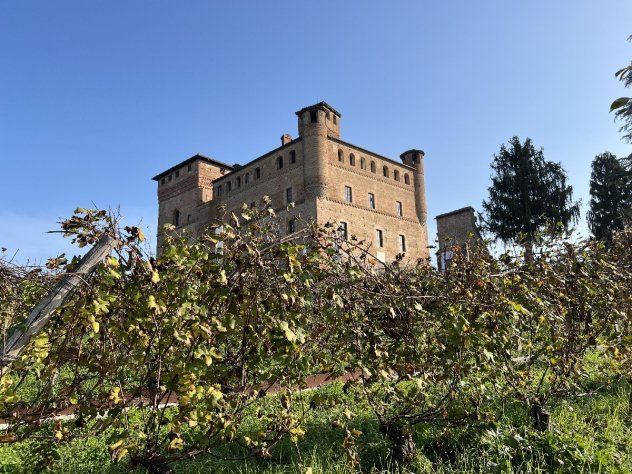
The second day has a more gentle start as the Barolo Wine Museum opens its doors at 10:30am but, as expected, we also get lost in the narrow streets of the village topped by the castle that houses both the museum and the Enoteca Regionale.

alba-novembre-2024

Nebbiolo grapes around Barolo

alba-novembre-2024

The castle of Barolo housing Wine Museum and Enoteca Regionale

alba-novembre-2024

Vineyards from the Castle of Barolo

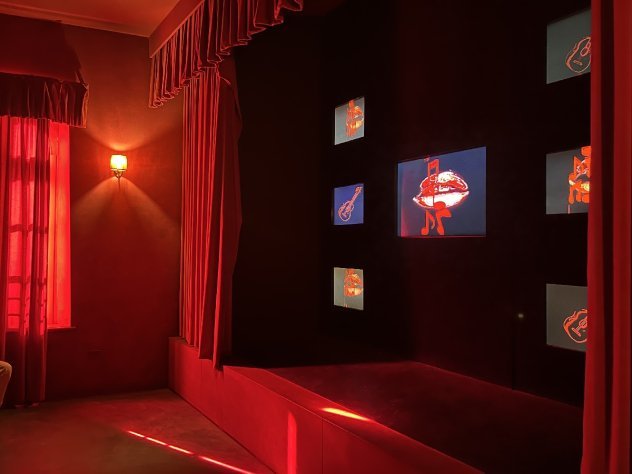
The WiMu, this is the name of the museum – is a real surprise because it has nothing to do with the old format of passive museum visits. The museum tour winds its way through the three floors of the castle, alternating illustrated explanations with full immersion in the music and cinematography of wine, a journey through wine culture from prehistory to the present day with the possibility of tasting and purchasing the precious ruby nectar right there, at the regional wine shop.

alba-novembre-2024

Some rooms of the Wine Museum in Barolo

The streets of Barolo are so crowded that finding a restaurant table without a reservation is absolutely impossible: this is the experience of some friends who would like to join us, but give up after countless vain attempts. We have a reservation at Locanda La Gemella that welcomes us with an unexpected combination of local ingredients and techniques from the Far East, as well as Sicilian touches proposed by the Japanese chef and sous chef.

An unforgettable experience also for gluten free guests.

alba-novembre-2024

Sicilian stuffed sardines, creamed mushrooms, orange and potatoes

Tuna tataki with pepper caponata

alba-novembre-2024

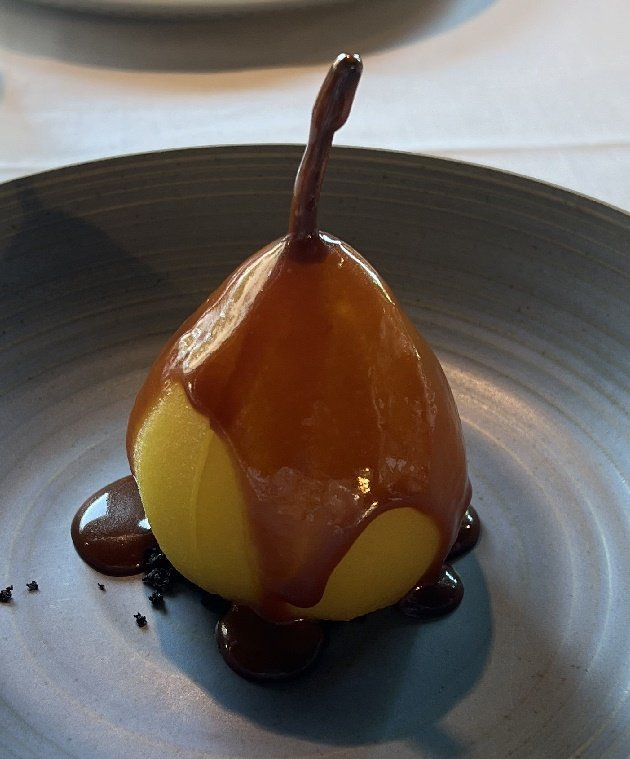
Cooked pear with salted caramel

alba-novembre-2024

Mascia and I super satistied with our lunch at Locanda Gemella

The following stop is La Morra, the village with the piazza overlooking the gentle hills lined with rows of grapes as far as the eye can see, and several hot-air balloons silently floating in the sky like flowers in the blue sea of the clear November sky.

alba-novembre-2024

One last wine tasting awaits us and once again the cellar is located in the basement hidden behind the façade of a plain and simple house along the village’s main street, named, like so many in the area, Via Umberto I. These are the cellars of Poderi Marcarini, producers of Barolo and the wines bestowed by this land for six generations. The passionate guide who makes out visit extremely enjoyable by sharing the less glamorous, but certainly truer stories of the hard life of the winegrowers.

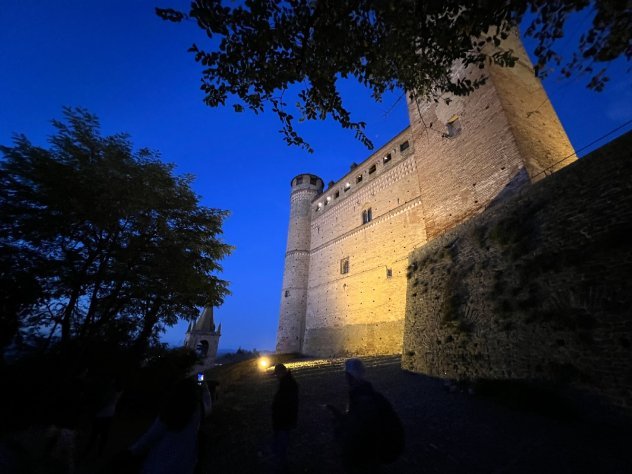
After deciding to skip dinner, we head to the castle of Serralunga D’Alba to admire a breathtaking sunset from the heights of yet another amazing castle.

alba-novembre-2024

Grinzane Cavour: open-air museum

From our school days we all remember something of the life of Camillo Benso Conte di Cavour, but the fact that the rebirth of Piedmontese viticulture and oenology is also linked to him was an interesting surprise to me.

alba-novembre-2024 alba-novembre-2024

This open-air museum ‘In the Vineyard’ winds around the marvellous Castle of Grinzane Cavour and tells its story in an excellent way. Using pictures and diagrams, even very technical information is understandable, and we discover the hard manual work and the changes in the vineyard during the four seasons of the year.

The castle stands on a hill that provides a 360-degree view of the vineyards and is home to the region’s largest wine shop, the Enoteca Regionale Piemontese Cavour, opened in 1967 to promote the knowledge and image of the region’s finest wines and foodstuffs. The Hall of Masks and the Cavour Hall, where relics of the famous statesman are preserved, are worth a visit.

alba-novembre-2024

The Castle of Grinzane houses restaurant Al Castello of Chef Alessandro Mecca

Grinzane is also home to the prestigious Alba International White Truffle Auction held every year at the end of November, attracting enthusiasts from all over the globe.

Before leaving this wonderful land, we treat ourselves to a walk in the vineyard to enjoy the castle in its unspoilt beauty and to an unforgettable dish of white truffle Tagliolini, which I hope to be able to enjoy in a gluten-free version soon.

alba-novembre-2024

Enjoying our last meal in Langa with our friends Mascia and Francesco


What is a Secret Supper? It is an exciting combination of surprise and great food that cannot leave you indifferent.

The mind behind this beautiful project is Simona Baldini, event planner of Gallina a Pois a fantastic organiser who didn’t spoiler anything that could quench the curiosity about the Secret Supper experience.

Secret Supper: the mystery of venue, menu and guests

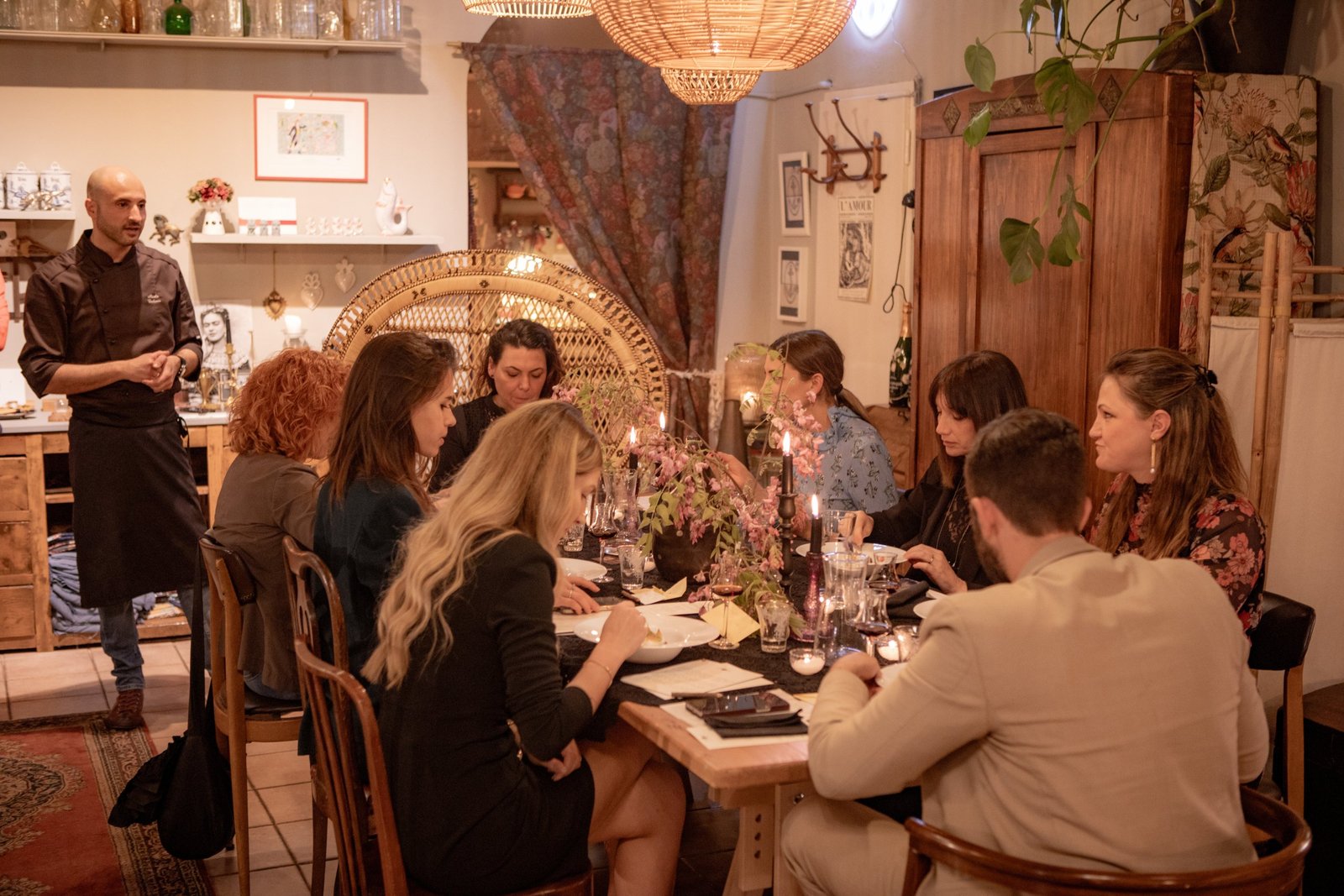
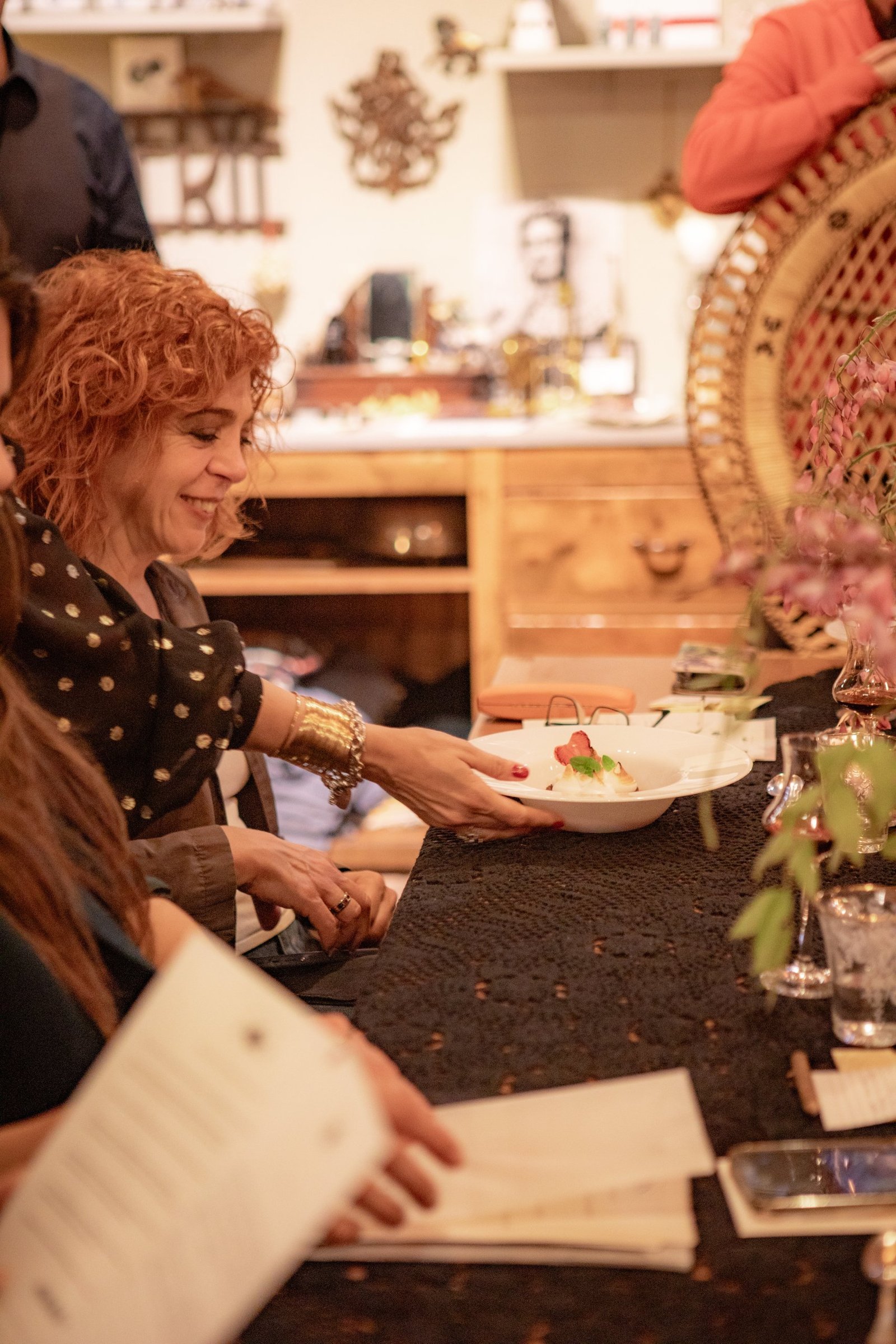
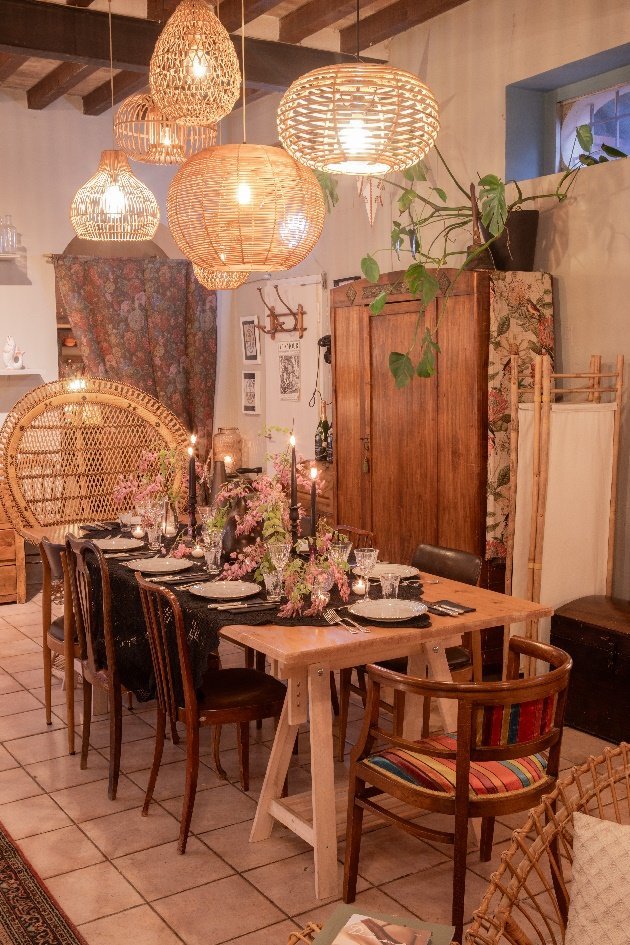
The first secret supper was held on Saturday 13 April 2024 and only three days before we found out where it would take place, namely an unconventional venue set up for an exclusive dinner for only eight people. The ‘setting’ of our dinner was Il Ghirigoro Bottega in Fidenza (Parma), a warm embrace of refined and unusual objects, soft lighting and intoxicating colours.

The only clue on the menu for me was crucial: everything gluten-free! When do you ever get invited to an exclusive dinner where all the courses will be gluten-free? Very high expectations!

I like all the requirements: no dress code, other secret guests, absolute punctuality (those who know me know how much I like this request!) and precise logistical info to reach the venue.

At this point I think you will also be curious to discover the menu, prepared by chef Nicola Carlucci, paired with wines chosen by sommelier Valentina Arena.

menu-13-aprile-2024

And the other guests? The pleasure was also to be with with three long-time friends (none of us knew about the others) and four new cooking enthusiasts with whom I hope to share other similar experiences.

An extra touch of mystery

Not only was the part of the organisation that preceded the dinner mysterious, but the dinner itself had a chilling interlude with the incredible tricks of Francesco Busani, mentalist and entertainer, who I would call the additional secret ingredient of a perfect cocktail.

mentalista

I therefore recommend you keep an eye on the Gallina a Pois website where a Secret Supper calendar will be published so that you too can book an evening of gluttonous mystery from the first to the last bite: you won’t regret it.

cena

This idea for gluten-free carnival sweets came to me from my friends at the Rieti and Viterbo Chamber of Commerce, who, keeping alive an initiative conceived during the Covid-19 pandemic, organised FB lives from theOsteria Le Tre Porte in Rieti to publicise the products of the area by sending to bloggers and journalists throughout Italy the ingredients to prepare various dishes including Cicerchiata.

When I received the information about the recipes we would prepare together, I had not imagined that Cicerchiata would be a dessert. Instead, in the province of Rieti, it is the traditional Carnival dessert inspired by Campania’s ‘Struffoli‘. The traditional form is that of a garland, which is obtained by pouring the sweets into a doughnut mould, while I’m proposing a mini-serving version so as not to be tempted to eat too much of it.

Given the fundamental role of honey in this recipe, it seems that the spread of Cicerchiata is linked to the development of bee-keeping in this area of Italy, while the name is presumed to derive from the legume grass peas of which the sweet balls of dough reproduce the shape and colour, so Cicerchiata would be a nice ‘stack of grass peas’.

Like many Carnival sweets, Circerchiata symbolises regeneration through its circular shape, the frying that turns a cold dough into a delicacy, and the vitality of honey and colourful decorations.

A tip for those of us who have to be careful with both fried food and simple sugars? Form very small balls, just like dried chickpeas, and reduce the amount of honey to the minimum necessary to hold the precious compositions together.

Here are a few more ideas for Carnival: Krapfen with jam e Fried cream.

cicerchiata

Cicerchiata

60g carbohydrates per 100g without candied fruit and coloured sprinkles

Ingredients

  • 160g flour mix for bread, brand BiAglut**
  • 2 eggs + 15g egg white
  • 100g honey
  • 40g brown rice flour*
  • 25g sugar
  • 20g butter
  • lemon rind
  • slivered almonds*
  • candied fruit*
  • coloured sprinkles*

**Ingredients specific for celiacs

*Ingredients whose labels must read “gluten-free” (or, in Italy, present on  Prontuario AIC)

Preparation

  1. Pour the eggs into a bowl, beat them with a fork together with the sugar, add the soft butter and lemon zest. Gradually incorporate the flour, stirring with a fork until the mixture is firm enough to knead with your hands. Transfer everything onto the work surface and continue kneading with your hands until you obtain a smooth and homogeneous dough, similar to fresh pasta.
  2. Divide the dough into small portions, form them into sticks of dough having a diameter of about 8mm as for making Gnocchi, then cut them into chunks no more than 8mm-1cm long. Round the pieces of dough with your fingers to form small balls.
  3. Heat the seed oil to a temperature of 170-180°C and deep fry a few balls at a time. When they are golden brown, drain them well and let them cool on kitchen paper.
  4. Meanwhile, pour the honey into a large pan and heat it gently for a few minutes. When it has browned slightly, turn off the heat and add the fried balls, stirring to coat them evenly. Finally, add the almonds and sprinkles, taking care to keep some aside for decoration. Mix again, pour the mixture into the desired moulds, garnish with the almonds and sprinkles kept aside and serve.

Cicerchiata

Version with gluten of Cicerchiata

Replace BiAglut flour and rice flour with 250g wheat flour 00 and add 30g sugar instead of 25g.

For me, the gastronomic journey in the Rieti area has become an annual appointment that has been repeated for three years now and that each time makes me discover new recipes of a cuisine made of few ingredients, authentic and with an unmistakable flavour: this is what Gnocchetti in frasca gluten-free dumplings make you experience.

But what are Gnocchetti in frasca? They are a dish handed down by the inhabitants of Micciani in Cittaducale, prepared with grains that were harvested and milled in the mills along the Peschiera river in the Velino Valley. These small dumplings were in fact prepared by mixing two flours, corn and wheat flour (which I have replaced with a gluten-free flour), on which the survival of families was based. The accompanying sauce is based on stewed beans that were flavoured with a few slices of guanciale, i.e. pork cheek, to give an unmistakable touch of flavour and the calories needed to cope with the hard work in the fields and the harsh temperatures of winter.

Today, considering instead that the need is to reduce calories more and more, we can possibly do without the splendid guanciale (which I used while remaining faithful to tradition, choosing the Guanciale amatriciano Sano) to prepare Gnocchetti in frasca with beans and tomato, thus transforming the recipe into a vegan and nutritionally balanced dish.

Tradition dictates that Gnocchetti are served as a soup by adding the cooking water from previously prepared Borlotti beans: in short, the perfect dish for cold winter days.

Read about the history of Spaghetti all’Amatriciana to get to know a land yet to be discovered.

gnocchetti-in-frasca

Gnocchetti in frasca gluten-free dumplings

20g carbohydrates per 100g

considering adding 500g of cooking water to the soup

Ingredients for 6 servings

  • 400g tomato sauce
  • 200g gluten-free pasta flour mix, brand Molino Dallagiovanna**
  • 200g coarse corn flour*
  • approx. 160g lukewarm water
  • 150g dry Borlotti beans
  • 2 slices of pork cheek*
  • 1 bay leaf
  • 1 piece of Kombu seaweed (optional)
  • extra virgin olive oil
  • salt and pepper

**Ingredients specific for celiacs

*Ingredients whose labels must read “gluten-free” (or, in Italy, present on  Prontuario AIC)

Preparation

  1. Soak the Borlotti beans for at least 12 hours, adding a piece of Kombu seaweed of your choice, which will help the digestion of the legumes once cooked. Cook the beans in plenty of water with the addition of a bay leaf, then keep them aside.
  2. Cut the pork cheek into cubes and put in a large pan to brown with a drizzle of oil, then add the tomato sauce and let it flavour for at least 15 minutes. Add the cooked Borlotti beans with a few ladles of their cooking water to make the soup rather liquid.
  3. Place the two flours on a chopping board forming a well, add a pinch of salt and start adding the lukewarm water in the centre of the well, mixing with a fork to start forming a dough. Add the water gradually as the amount may vary depending on the flour and humidity. When the flours are mixed enough to be worked by hand, start kneading them with your hands to obtain a homogeneous, smooth, firm and non-sticky mixture.
  4. Take pieces of dough, form long cylinders with your hands and cut them into 1 cm square dumplings.
  5. Put a large pot of water on the stove, salt it when it comes to the boil and throw in the dumplings to cook them. Drain them with a slotted spoon and pour them into the pan with the Borlotti bean sauce to allow them to take on flavour, adding more Borlotti cooking water. Season with salt and pepper and serve the Gnocchetti when they have the desired texture and flavour.

Version with gluten of Gnocchetti in frasca dumplings

Replace the Molino Dallagiovanna fresh pasta flour mix with an equal amount of wheat flour, adjusting the amount of water needed for kneading.

For the boost of energy needed to face the winter, this time we set off to discover what gluten-free Germany is like, choosing the enchanting town of Rothenburg ob der Tauber in Bavaria as our destination: an idea to go to Germany during the Oktoberfest that is about to start, looking for some gluten-free beer options.

piazza-del-mercato

Market square with town hall

Gluten-free Germany: parents’ escape to Rothenburg

When you walk through the arched gateway under one of the towers of the city’s high walls, you take a leap back of a thousand years amongst the intricate cobbled alleys and colourful houses with pointed roofs.

rothenburg

Wherever you look, vibrant flowers, gleaming wrought-iron signs, doors opening on cosy and unusual cafés appear, gradually leading us to the market square, Marktplatz, in front of the town hall, where history and legend merge.

insegne insegne

The imposing building of the white Councillors’ Tavern towers over the square with its clock, which opens on the stroke of the hour, recalling the legend of how the city was saved from destruction during the Thirty Years’ War thanks to the Meistertrunk, or Master Draught, according to which if the mayor drank three litres of beer (or wine, according to other sources and a gluten-free legend) in one gulp, the city would be spared.

A breathtaking view of the town of Rothenburg

To get the full view of the city, its structure and the tangle of two-storey houses, you have to climb the tower of the town hall, which is open from 9.30 am to 5 pm. Unfortunately, the closing time does not make it possible to enjoy the sunset, so it is worth going up early in the morning to avoid the crowd of visitors that would make the climb up the steep, narrow wooden steps decidedly challenging, but the effort and a few shivers of fear are worth the spectacle that opens up once you reach the narrow tower.

After a pleasant break at the Café enzig Artig surrounded by the most varied items, all for sale just like food and drinks, you can also tackle the walk along the city walls rebuilt after the bombing that destroyed the city on 30 March 1945 thanks to the donations of benefactors from all over the world whose name are written on the walls.

rothenburg

From the city walls you can enjoy the jungle of steep roofs rising towards the city centre topped by the towers of the Evangelical Lutheran Church of St. James.

The church located along the Pilgrim’s Way to Santiago has been a destination for pilgrims for centuries and houses an imposing wooden altar with the saint’s relic, the only case of a Catholic relic being present in a Reformed church.

chiesa

Altare ligneo

The city where it’s Christmas all year round

In Rothenburg, it is impossible to escape the allure of Christmas, even if the temperature in this unusual September is 30 degrees Celsius, so we are first attracted by a colourful carload of gift packages, then by the illuminated shop windows, Christmas trees and irresistible animations for young and old: this is where the magic of Käthe Wohlfahrt begins.

natale

negozio di natalenegozio di natale

Christmas music, animated nativity scenes, lights, cuckoo clocks, decorations of every colour, shape and theme, despite resorting to all my willpower, at Christmas there will be snowflake-shaped biscuits on our table.

And for lovers of this festivity, Rothenburg is a must-visit destination in the weeks leading up to Christmas when its streets and central square come alive with one of Europe’s most popular Christmas markets.

The night watchmen

What happened during the Middle Ages when the city gates closed at sunset? To find out, just join the crowds of tourists who at 8pm, in English, and 9.30pm, in German, follow the night watchman armed with lantern and halberd as he recounts his adventures in carrying out his precious duties within the walls of Rothenburg.

guardiano della notte

And with the night watchman, also the sun sets colouring the sky and the walls of the houses with a pink aura that makes the stories of the unusual black-cloaked character frighteningly credible.

rothenburg di notterothenburg di notte

Gluten-free Germany: what to do in Rothenburg

In a Bavarian city that recorded 2.5 million visitors in 2019, the offer of gluten-free dishes certainly has much room for improvement. In the whole of the old city, I found only one Italian restaurant, Michelangelo, which offers a gluten-free menu (although it claims not to guarantee 100 per cent absence of cross contamination).

centro città

The food speciality of Franconia, the region where Rothenburg is located, is carp that is served grilled or with a white wine sauce in the months containing the letter R in their name, but in the restaurants we visited carp was not gluten free.

Meat dishes abound everywhere, although it is fundamental to check carefully with the restaurant staff who are not always well informed.

rothenburg

Rothenburg’s typical sweets, the so called snowballs, are not available in a gluten-free version, but I couldn’t but mention them because of their popularity: the dough is similar to the one used for Italian Carnival “Chiacchiere” and is deep fried using moulds that give it the characteristic round shape.

Il famoso dolce di Rothenburg, le palle di neve, non disponibili in versione senza glutine

The famous Rothenburg’s dessert, known as snowballs, NOT available in a gluten-free version

If it is true that in all the meals we had, we were never served bread, surely for our family needs this food cannot be missing. My advice is thus to visit one of the supermarkets of the many German retailers present in order to find a very wide selection of gluten-free products not to be caught unprepared.

amplissima scelta di prodotti senza glutine sugli scaffali del supermercato Edeka

Wide selection of gluten-free products on the shelves of Edeka supermarkets

Having bought bread, you can certainly enjoy the Villa Mittermeier hotel and restaurant where breakfast is a wealth of naturally gluten-free products, well insulated from possible sources of contamination. Furthermore, chef Christian Mittermeier is fully available to welcome guests with coeliac disease, possibly with prior reservation, and the menu proposal is decidedly exciting (although, to be fair, due to the quality of the raw materials and proposals, not within the reach of all budgets).

colazione

A full immersion in nature

that Rothenburg is 400 metres above sea level, but you only have to step outside the city walls and take one of the 12 paths marked on the hiking map to find yourself surrounded by greenery and to have an enchanting view of the colourful settlement.

Furthermore, Rothenburg lies along the Romantische Strasse, one of the most spectacular and famous tourist itineraries that starts in Würzburg and ends in Füssen on the German Alps covering a distance of 460 kilometres dotted by places of historic and scenic interest, including Rothenburg.

vista città

The Villa Mittermeier hotel provides us with the perfect picnic backpack: plates, cutlery, glasses, a full meal, as well as water and wine.

zaino picnic

Path no. 2 is the one that follows the Tauber river, populated by mills that were used in the past both for milling grain and for chopping wood, but which unfortunately are no longer in operation, although this does not affect the pleasure of the shady forest trails with well-maintained paths that are accessible even to inexperienced walkers.

We walk for 11 km chatting, photographing and enjoying the peace that gives us the unexpected sight of a kingfisher, the turquoise bird I had only read about in fairy tales. Having found a table carved out of a log with respective benches, we can enjoy the Mittermeier treasure by setting a perfect picnic in the middle of the forest.

picnic

Also not to be missed is the walk that follows the city walls to see the 22 towers that surround the city, a route that allows you to enter and exit the city gates, sometimes getting lost to then get back on track or pick a different route.

una delle torri lungo le cinta di mura

One of the towers along the city walls

For those who prefer cycling to walking, the choice of cycle paths and routes is equally wide and rewarding.

The museums you don’t expect

If we Italians expect to find a museum on the history of the city in just about every tourist destination (Rothenburg Museum), surely the Crime Museum and the Christmas Museum are unusual and opposite.

The Medieval Crime Museum features the most comprehensive (and chilling) collection of torture instruments used in the Middle Ages, one of the darkest moments of humanity and certainly a warning not to fall back into such barbarity, but still a visit I would not recommend to families with children.

Exactly the opposite is the climate of the Christmas Museum, opened in 2000 by the entrepreneur Harald Wohlfahrt, the creator of the famous Christmas shops that bear his name (Käthe Wohlfahrt), where the Christmas traditions of all German regions are recounted and valuable objects from its origin to the middle of the last century are collected.

How to get to Rothenburg

Rothenburg is located 80km from Nuremberg. The quickest solution from Italy is to fly to Nuremberg and rent a car or take one of the many regional trains to Rothenburg.

Trains are a convenient but rather time-consuming alternative, while the car can be a stimulating option if you plan stops at attractive locations along the way in both Switzerland and Germany.

Ellen ed io

Ellen and I

For our trip, we chose an itinerary that involved meeting up with our fellow adventurers Ellen and Fred Gromann at Lake Constance and then driving to our destination. Once again, Lake Constance gave us memorable experiences to add to what I had experienced in my previous trip.

There were many aspects that made me curious when I received the invitation to the tasting of a fish-based menu cooked by Michelin-star chef Davide Pezzuto organised by FLAG Costa blu in collaboration with the Italian Food Blogger Association (AIFB) and I cannot list them following a specific order (yet, can you imagine the thrill of tasting a Michelin-star menu?), therefore I am going to share my curiosity hoping that it is equally interesting for you and being aware that our food choices can contribute to keeping the levels of employment and the quality of the coastal environment of the Adriatic sea.

Michelin-star menu: all the taste of fish from the Adriatic sea

The first element of interest was indeed FLAG Costa blu, i.e. the Consortium committed to enhancing the fish products and land of the province of Teramo, since 80% of the fish eaten in Italy comes from abroad or is farmed.

Second, a fish-based 5-course menu. You can imagine that in the gourmand city of Parma, strongly attached to its food traditions, tasting fish recipes cooked by a Michelin-star chef is not very common.

Third, the fact that chef Davide Pezzuto works in the first “Diffused restaurant” in Italy, D.One: knowing various diffused hotels, I was very curious to discover how the concept could be applied to a restaurant. Indeed, the restaurant is housed in the various buildings of the village where it is based, thus giving new life to the whole place: a great example of social and environmental sustainability.

And last but not least, the chef himself of whom I had read characteristics that have always attracted me: simplicity of ingredients and creativity in their use.

I must admit that I did not expect that all courses, except for one, would contain gluten considering that fish is naturally gluten-free, but, as usual, this is an irresistible stimulus to try to reproduce the recipes tasted in a gluten-free version.

In compagnia di Giulia Longo, Social Media Manager

Together with Giulia Longo, Social Media Manager

Tasting the Michelin-star menu

  • Small puccia bread with octopus and vinaigrette made with Pera d’Abruzzo tomatoes
  • Cannolo with tuna tartare, caramelised onion and wasabi flavoured mayonnaise
  • Sea gravel with seaweeds, prawns, spiked squids and clams
  • Granetti pasta in a juice of mantis shrimps, Burrata cheese and barberry
  • Synopsis of fish soup
Mini puccia con polpo e vinaigrette di pomodoro Pera d'Abruzzo e Cannolo di tonno ala lunga, cipollotto caramellato al coppo e maionese al wasabi

Small puccia bread with octopus and vinaigrette made with Pera d’Abruzzo tomatoes and Cannolo with tuna tartare, caramelised onion and wasabi flavoured mayonnaise

Would you like to know what my next challenges will be? Certainly the pasta courses, namely Granetti and Sea gravel, even though you will have to give me some time for experimenting!

Granetti is a type of pasta similar to Fregola in shape, but it is varying in the piece sizes and prepared with a mixture of flour and semolina kneaded with water. Chef Davide Pezzuto proposed this pasta shape with a juice of mantis shrimps, Burrata cheese and barberry cream, but I can already tell you that I will try this pasta with the classic sauce made with fava beans, onion and guanciale, which is certainly easier for me!

Granetti in jus di canocchie, burrata e cascigne

Granetti in a juice of mantis shrimps, Burrata cheese and barberry

Sea gravel with seaweeds, prawns, spiked squids and clams is a dish that the chef proposes also in his restaurant menu and it is wonderful to look at and to eat: every ingredient has a name and a story to tell. First of all, gravel. Gravel refers to the bread dumplings coloured with squid ink, tomato paste and plain bread that give rise to bread dumplings that look exactly like the cobs you find on the beach. This effect is achieved by rolling the dumplings in order to round the corners and make them identical to the cobs smoothed by the waves.

Ghiaia di mare con alghe, scampi, caciaroli e paparazze

Sea gravel with seaweeds, prawns, spiked squids and clams

The name in dialect of spiked squids means “noisy” because they cause a great mess when moving in very large schools. Clams are the ones from the Adriatic sea and are called “paparazze” in the local dialect. This word was used by film director Federico Fellini in “La dolce vita” as the surname of the photographer in the film to associate the opening and closing of the camera lens to the valves of this shellfish, hence the name “paparazzi” now used in English as well.

Last but not least, fish soup: an ever changing nectar because made with the fish caught on the day, hence a true gift from nature. The special feature of Davide’s proposal is certainly the use of lime zest to cover the edge of the serving cup, a trick to smell the lime aroma, but not its taste that would make this delicate dish a bit bitter.

Do you know what? This tasting really stirred my desire to discover the amazing food of the Abruzzo region!

territorio

Il lago di Costanza è un punto di incontro non solo di tre paesi – Svizzera, Germania e Austria, ma anche di tre elementi che racchiudono le mie passioni, ossia cibo, vino e natura. E proprio sul lago di Costanza si affaccia il Cantone di Thurgau che ho scoperto grazie all’incontro con Ellen Gromann del blog Patotra con cui abbiamo realizzato uno scambio culturale tra blogger che ci è piaciuto tantissimo. Ho iniziato io con un viaggio in avanscoperta per potere tornare con tutta la famiglia e le nostre sfidanti esigenze alimentari.

Thurgau, il cantone verde

Se uno mi chiedesse di descrivere il Cantone di Thurgau attraverso un solo aggettivo, direi verde. Perché a partire dallo scorcio fuori dalle finestre dell’Hotel Kreuzlingen am Hafen, il verde brillante ti entra nella telecamera del cellulare cancellando qualsiasi impostazione di luce e definisce i contorni di tutto ciò che si muove al suo interno: verdi sono tutti i fili d’erba disciplinati e fitti, verdi sono le siepi tagliate in perfette geometrie, verdi le distese di alberi di melo e le coltivazioni di insalata e cavoli.

Il parco lungo il lago di Costanza visto dall'hotel Kreuzlingen am Hafen

Il parco lungo il lago di Costanza visto dall’hotel Kreuzlingen am Hafen

Se invece dovessi scegliere un sostantivo, direi armonia, perché le case si fondono perfettamente con il paesaggio per forma e colori, le montagne abbracciano delicatamente i laghi senza sovrastarli, il fiume Reno si tuffa silenzioso nel lago di Costanza senza che le sue acque si mescolino a quelle lacustri uscendone indisturbate sull’altra estremità, le file verticali di vigneti disegnano le fantasie degli scacchi di tessuto e le pasciute mucche dai variabili mantelli ti guardano con una tranquillità da fare invidia.

E come tutti coloro che hanno studiato sui testi di scuola italiani sanno, Svizzera è sinonimo di cioccolato, quindi come tutti gli italiani che si rispettino, dal cioccolato abbiamo iniziato il nostro viaggio di scoperta, partendo dalla cittadina di Gottlieben.

I Gottlieber Hüppen: un croccante abbraccio per il cioccolato

Qui, nel 1928, una intraprendente signora di nome Elisabeth Wegeli decide di trasformare in impresa la tradizione locale di preparare sottili cialde di wafer. La sua idea vincente è quella di arrotolare i croccanti involucri e farcirli con morbida crema al cioccolato: nascono i famosissimi Gottlieber Hüppen. In questa azienda di circa 80 dipendenti (soprattutto donne per la precisione e la pazienza che molte operazioni richiedono), gli ambienti profumano di biscotto e cioccolato fuso. Al piano terra vengono cotti per 40 secondi i sottilissimi wafer (8000 all’ora) su piccole piastre di metallo prima di essere velocemente avvolti attorno ad un cilindro e rifilati in modo accurato.

I wafer pronti per la farcitura

I wafer pronti per la farcitura

Un gottlieber hueppen con crema di mandorle

Un Gottlieber Hueppen con crema di mandorle

Al piano superiore, 56 sottili dita metalliche farciscono i croccanti rotoli con 14 diverse creme al cioccolato, che vengono poi avvolti singolarmente in colorati involucri di alluminio e in incantevoli scatole di latta o cartone dai più svariati decori. Il risultato? Ogni giorno escono dalla magica fabbrica nascosta tra le case residenziali ben 140.000 dolcetti spediti in tutto il mondo e simbolo dell’industria dolciaria del paese. La sfida su cui sta lavorando il mastro fornaio? Preparare il croccante wafer con farina di riso per avere finalmente anche i Gottlieber Hüppen in versione gluten free: noi li stiamo aspettando!

La degustazione è incredibile! I prodotti sono talmente curati che si è quasi intimoriti dallo scartarli per rovinare tanta bellezza, ma il gioco di consistenze, sapori e profumi è davvero un’esperienza da provare.

Degustazione dei prodotti Gottlieber, purtroppo non ancora senza glutine

Degustazione dei prodotti Gottlieber, purtroppo non ancora senza glutine

Il pomeriggio segue il filo dei ricordi di Stefano visto che fin dalle scuole elementari avrebbe voluto vedere le cascate sul Reno di Schaffhausen, quindi un fuori programma adrenalinico che ci permette di incontrare sul cammino un vero e proprio gioiello, il paese di Stein am Rhein, costruito nel punto in cui il fiume si getta nel lago di Costanza e dove ogni facciata sembra volere scrivere un libro attraverso i dipinti.

La cittadina di Stein am Rhein

La cittadina di Stein am Rhein


Un’ora di strada con scorci mozzafiato ed una sosta in quello che Stefano ed io vorremmo fare “Next time” nella promessa di organizzare altri viaggi per incontrare Ellen e Fred con cui l’alchemia fa scintille: dormire in una bolla trasparente immersi nella natura! Il mio sogno? Proporvi una cena senza glutine con vista sul lago al tramonto… lo mettiamo in agenda!


Le cascate di Schaffhausen viste dal barcone

Le cascate di Schaffhausen viste dal barcone


schaffhausen

Una delle stanze a bolla immerse nella natura

Una delle stanze a bolla immerse nella natura

A Schaffhausen si respira l’atmosfera delle attrazioni turistiche con il pullulare di pullman, auto e persone delle più svariate etnie e la potenza delle cascate che lambiscono la città è decisamente inaspettata. Non possiamo non prendere uno dei barconi a motore che, con consuetudine ed esperienza, si avvicinano paurosamente alle cascate tra le urla di noi ignari turisti. Ovviamente i vestiti si bagnano leggermente nella nuvola di goccioline bianche che ci immerge, ma ci incamminiamo subito verso l’auto per riprendere il programma originale e asciugarci nel tepore del trasferimento.

Terra di mele e sidro

Destinazione sidro perché nella regione la produzione di mele è molto diffusa e diversificata: consumo come frutta o ingrediente in cucina, succo e sidro, a seconda delle varietà. Raggiungiamo la sidreria Mohl con l’annesso Mömo, stabilimento e museo di sidro classico ed innovativo, uno spumeggiante progetto dove la cultura e l’attenzione verso l’ambiente ci guidano alla scoperta di questa azienda fondata nel 1895 e trasformata nel “Cider Clan”, come recitano le divise del personale.

Interno della sidreria

Interno della sidreria

Le tipologie di mele trattate dalla sidreria

Le tipologie di mele trattate dalla sidreria

Degustazione di 8 tipi di sidro che, nonostante la bassa gradazione alcolica che non supera mai il 4,5% e qualche versione analcolica, mette a dura prova la mia moblilità, ma mi fa conoscere un prodotto poco diffuso in Italia, ma di larghissimo consumo in Svizzera, proprio nella sua versione analcolica (i 2/3 dei consumi sono oggi del prodotto senza alcool) per l’inasprimento delle sanzioni per la guida in stato di ebbrezza introdotte negli ultimi anni.

degustazione

Dopo questo dolce aperitivo, non potevamo che concludere con la cena in un ristorante dove la specialità del lago, il Bodensee-Knusperli, il pesce persico croccante, viene servito in versione gluten free: foto e promesse spediti immediatamente sul gruppo di famiglia su WhatsApp.

Al ristorante Seemöwe la cucina è donna ed è attenta non solo al senza glutine, ma anche al senza lattosio perché proprio la chef Erika Harder non può consumare latticini: sappiamo che possiamo stare più tranquilli quando in cucina si conoscono le intolleranze in prima persona!

Peccato per la pioggia che ci impedisce di godere di una splendida vista dalla terrazza, ma il menù ben calibrato e la Zuppa di vino tipica del territorio ci regalano la conclusione di una giornata davvero ricca. Ah, il dolce? Tiramisù alle mele che vi riproporrò sicuramente a breve sul blog in versione light.

cena

…Ma anche di formaggi e cioccolato

Il sabato mattina andiamo alla ricerca degli ingredienti per cucinare la cena: la famosissima Raclette che, per mia grande gioia, è naturalmente senza glutine!
Fare la spesa è una fantastica sorpresa perché Ellen e Fred si recano direttamente dagli agricoltori locali, molti dei quali hanno il negozio in cui vendono i prodotti della loro azienda agricola, quindi troviamo formaggi, carne, uova, verdure e addirittura il pane.

Le strade sono punteggiate da cartelli che invitano ad acquistare ciò che ognuno produce e io, non potevo non fare una tappa in un piccolo caseificio dove acquisto tante specialità locali, in particolare l’Appenzeller, e dove ci facciamo affettare il formaggio per la Raclette serale, bellissime fette rettangolari dello spessore di
7 mm, come mi fa notare la sorridente signora che ci serve, anticipando non poche risate per un viaggio in auto molto “aromatico” fino a quando non riusciamo a lasciare il formaggio nel frigorifero di casa!

Le fette di formaggio per preparare la Raclette

Le fette di formaggio per preparare la Raclette

Altra sosta obbligata? La fabbrica di cioccolato Stella con una selezione incredibile di cioccolata senza glutine e anche senza zucchero: già penso a come usarla nel Tiramisù alle mele!

Superiamo la frontiera urbana che separa la cittadina di Kreuzlingen in Svizzera dalla città di Costanza in Germania lungo lo stesso lato dell’omonimo lago: questa inusuale frontiera mi ha colto completamente di sorpresa perché non mi ero resa conto che il lago fosse unione e al contempo separazione tra i due stati europei.

La galleria a cielo aperto a Costanza

La galleria a cielo aperto a Costanza

costanza

La luce che riflette sulle acque del lago dona a tutto il paesaggio una tonalità di colori e di pace che sono unici delle località lacustri.
Costanza brulica di vita e risuona delle musiche più diverse prodotte da artisti di strada che spaziano dai suoni delle cornamuse di un robusto signore in kilt ai classici nostalgici degli anni ’80, il tutto abbracciato dai decori delle facciate della case medievali o dalle opere moderne che trasformano i sottopassi in gallerie d’arte all’aperto.

Weinweg: degustare il vino seguendo i vigneti

Dopo una veloce sosta caffè, ci trasferiamo a Weinfelden che, come promette il nome (composto dai termini “vino” e “campi”), ci accoglie tra i vigneti per l’attività pomeridiana: 9 km di camminata lungo i sentieri tra le vigne, il Weinweg. Alla stazione ferroviaria, ritiriamo lo zainetto con tutto il necessario per l’esperienza: cartina del sentiero, pane croccante tipico, acqua e il bicchierino da degustazione che potrà essere riempito per ben 4 volte, ossia 2 volte per ogni stazione di assaggio grazie ad un codice che ci permetterà di aprire il caveau, ossia le cantinette con numerosi vini tra cui scegliere e personalizzare la propria degustazione. Il tutto ad un prezzo di 25 Franchi svizzeri a persona che riteniamo onestissimo per quello che l’attività ci regala.

Weinweg

La fortuna ci assiste perché nonostante il calendario ci ricordi che è il 15 ottobre, in cielo splende un sole degno delle migliori giornate di fine estate, mentre i colori degli alberi e delle viti sono quelli della tavolozza autunnale più infuocata di mai. Non sappiamo da che parte girare lo sguardo perché la natura ci incanta ad ogni punto cardinale: Alpi innevate, pianure rigogliose, animali al pascolo e linee di viti dipinte a perdita d’occhio.

La prima stazione di degustazione arriva senza che ci rendiamo conto di avere già percorso diversi chilometri di strada. Con il codice magico, apriamo la porta di legno che si schiude davanti ad una cantinetta piena di numerose bottiglie di vini bianchi e rossi da cui attingere. Da buoni golosi, non ci siamo fatti cogliere alla sprovvista e parte degli acquisti di formaggi e carni dai contadini locali è stata aggiunta agli zainetti per rendere il pane decisamente più accattivante per gli improvvisati abbianamenti.

La prima stazione di degustazione

La prima stazione di degustazione

degustazione

Il cammino del Weinweg pullula di vita con le persone che lo percorrono, i punti di ristoro che lo punteggiano, la varietà di animali che lo abitano, i contadini che lo lavorano e le innumerevoli chiacchiere che comunque non ne scalfiscono il silenzio.

weinveg

Il tempo di percorrenza indicato è di 3 ore, ma tra chiacchiere, soste, foto, filmati, incontri e risate, noi di ore ne impieghiamo 5 e con grande dispiacere prendiamo atto che il sole inizia ad infuocarsi pure lui, comunicandoci che è giunta l’ora di tornare al nostro campo base.

Siamo appagati ed affamati, felici di poterci gustare la famosa Raclette senza troppi sensi di colpa dopo che il cellulare ci ricorda che abbiamo percorso ben 14 km di strada a piedi!

La Raclette: la cucina a vista della tradizione

Ci rechiamo quindi diretti a casa dei nostri fantastici ospiti per allestire il tavolo con la piastra riscaldata che trasforma il formaggio in una golosissima crema da arricchire con verdure, prosciutto e spezie e da versare sulle patate bollite che fungono da pratico ed indispensabile supporto. La cena che prende forma con il contributo di ognuno dei commensali è proprio un bel modo di condividere la tavola e credo che, prima o poi, la Raclette troverà posto anche sulla nostra tavola, magari con qualche personalizzazione negli abbinamenti di ingredienti per renderla il più possibile “amica” della glicemia.

Siamo sorpresi anche noi da tutto ciò che siamo riusciti a fare in due giorni, dalla carica di energia che tanta bellezza è riuscita a trasmetterci, così domenica mattina ripartiamo godendoci gli ultimi scorci di paesaggio elvetico prima lungo il fiume Limmat a Zurigo, poi sul lago di Zugo e di Lugano prima di attraversare la frontiera verso casa dove sarà mio compito fare innamorare Ellen e Fred della mia terra, così come hanno fatto loro portandomi nel cantone di Thurgau.
Potete trovare tante altre informazioni e contatti per organizzare una fuga in questa zona su Thurgau-bodensee.