Tag Archive for: balanced meals

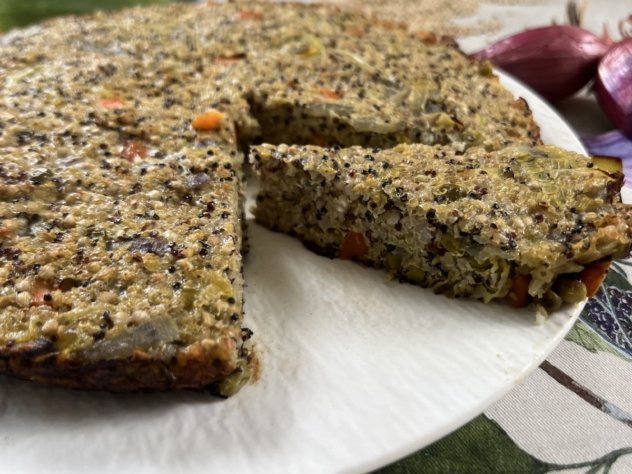
Vegetable quinoa and buckwheat bake is one of those recipes that truly simplifies everyday cooking: everything is prepared in a single pan, first on the hob and then finished in the oven, with no unnecessary steps and no extra washing up. A small detail that makes a big difference, especially when time is limited but you still want a complete meal.

In this bake, the key ingredients are quinoa and buckwheat, two naturally gluten-free pseudocereals with very interesting nutritional properties.

Quinoa, originally from the Andean region and cultivated for thousands of years by pre-Columbian populations, was already considered a staple food by the Incas, who referred to it as the “mother grain”.

Even today, it is widely appreciated and often considered a superfood for several reasons: 1) it contains all essential amino acids, which is quite rare in plant-based foods; 2) it provides a good amount of fibre; 3) it has a moderate glycaemic index; 4) it is rich in minerals such as magnesium, iron and potassium; 5) it contains antioxidant compounds.

Buckwheat, despite its name, is not a cereal but a plant belonging to a different botanical family. It is also naturally gluten-free, with a good fibre content and an interesting supply of minerals such as magnesium and iron.

When used in a preparation like this bake — together with eggs and vegetables — they help create a complete, satisfying dish that is also easy to manage from a glycaemic perspective.

A practical, versatile recipe, suitable for everyday cooking, designed to optimise time and steps without compromising on ingredient quality.
ilaria-bertinelli-tortino-di-quinoa-e-grano-saraceno

Vegetable quinoa and buckwheat bake

16g carbohydrates per 100g

Ingredients

  • 300 g red onions
  • 150 g carrots
  • 100 g quinoa*
  • 100 g buckwheat*
  • 100 g cherry tomatoes
  • 100 g peas
  • 80 g leek
  • 40 g milk
  • 3 eggs
  • Extra virgin olive oil
  • Oregano
  • Salt and pepper
  • Cream cheese, to serve

**Ingredients specific for celiacs

*Ingredients whose labels must read “gluten-free” (or, in Italy, present on  Prontuario AIC)

Preparation

  1. Cook the quinoa and buckwheat separately in lightly salted water for about 20 minutes. Cover and leave to cool slightly.
  2. Meanwhile, heat a drizzle of extra virgin olive oil in a non-stick pan that is also ovenproof. Add the sliced leek, onions, diced carrots and peas. Season with a pinch of salt, add a few tablespoons of water and cook for 5 minutes.
  3. Add the halved cherry tomatoes and cook for a further 3 minutes. Season with pepper and a pinch of oregano.
  4. In a bowl, beat the eggs with the milk. Add the cooked quinoa and buckwheat, mix well, adjust seasoning with salt and pepper, then pour the mixture into the pan with the vegetables.
  5. Cook over a low heat for 5 minutes while preheating the oven to 180°C. Transfer the pan to the oven and bake for 15 minutes.
  6. Serve warm, either on its own or with fresh, creamy cheese.
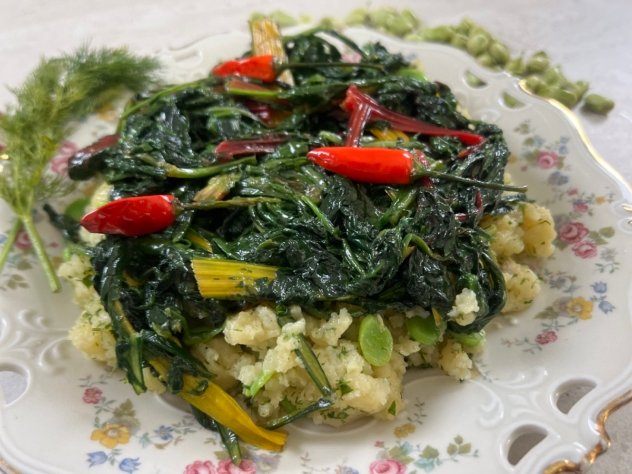
Mashed potatoes and broad beans with sautéed greens is a simple, seasonal and nutritionally balanced dish — perfect for getting even the most sceptical family members to enjoy their vegetables!

Potatoes are always a crowd-pleaser and, in this recipe, they give the mash a naturally soft and creamy texture. Fresh broad beans add flavour along with an interesting plant-based protein component. The sautéed greens, with their slightly bitter note, balance the dish and make it more appealing to the palate.

From a nutritional perspective, broad beans are often overlooked, yet they are well worth including more regularly in your diet. They provide fibre and plant-based protein, both of which contribute to satiety and help slow down the absorption of carbohydrates in the meal. They are also a good source of folate and contain minerals such as iron and magnesium.

Compared to other legumes, fresh broad beans have a lower carbohydrate content and, when used in a dish like this — which also includes fibre and healthy fats from extra virgin olive oil — they help keep the overall glycaemic impact of the meal more balanced.

A naturally gluten-free recipe, ideal for those looking for simple, balanced dishes that fit easily into everyday cooking. And if you’re in the mood for salads, here’s what to look for in May: hearty, fortified salads.

ilaria-bertinelli-macco-di-patate-e-fave

Mashed potatoes and broad beans with sautéed greens

13.2g carbohydrates per 100g

Ingredients

  • 500 g potatoes
  • 250 g mixed greens (chard, chicory, baby spinach)
  • 60 g fresh broad beans, shelled
  • Wild fennel
  • Fresh chilli
  • Parsley
  • Garlic
  • Extra virgin olive oil
  • Salt and pepper

 Preparation

  1. Blanch the broad beans in salted water for a few minutes, then remove their outer skins.
  2. Boil the whole potatoes with their skins on. Once cooked, peel and mash them with a fork.
  3. Add the broad beans to the mashed potatoes along with 30 g of extra virgin olive oil, a pinch of salt, freshly ground pepper and finely chopped wild fennel.
  4. Blanch the greens in lightly salted boiling water, then drain and transfer them to cold water.
  5. Heat a pan with a drizzle of extra virgin olive oil, one garlic clove and some fresh chilli. Add the blanched greens and sauté to flavour.
  6. To serve, spread the potato and broad bean mash on a serving dish, top with the sautéed greens and finish with chopped parsley, freshly ground pepper and a drizzle of extra virgin olive oil.

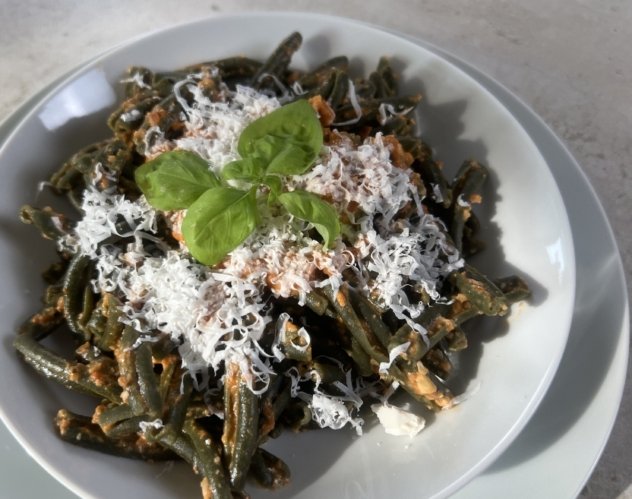
Legume pasta with spirulina and red pesto is a recipe that combines intense flavour and nutritional value in a surprisingly well-balanced way. The star of the dish is Spinosi’s egg-based legume flour pasta, an excellent choice for those who wish to bring to the table a complete, satisfying first course that also supports metabolic wellbeing.

Compared to traditional pasta, this legume-based pasta stands out for its nutritional profile: it provides 43 g of carbohydrates, 27 g of protein and 9.6 g of fibre per 100 g of dry product. Carbohydrate content is significantly lower, while protein and fibre levels are considerably higher than in durum wheat pasta. This translates into greater satiety and a slower absorption of carbohydrates—an especially valuable aspect for maintaining more stable blood glucose levels over time. The presence of egg in the dough also enhances the overall protein quality, making the dish nutritionally more complete.

What makes this recipe even more interesting is spirulina, a microalga known for its rich content of micronutrients and antioxidant compounds. It gives the pasta its deep green colour while adding further nutritional value.

The sauce, a red pesto made with sun-dried tomatoes, nuts and Parmigiano Reggiano, completes the dish with a combination of healthy fats, savoury notes and aromatic depth, transforming a simple recipe into a rich and satisfying experience.

Legume pasta with spirulina and red pesto    

19g CHO per 100g of cooked and dressed pasta

 Ingredients for 4 servings

  • 400g Legume pasta Spinosi with spirulina**
  • 100g sun-dried tomatoes in oil*
  • 40g Parmigiano Reggiano
  • 30g peeled almonds
  • 30g pine nuts
  • salted ricotta
  • extra virgin olive oil
  • basil
  • pepper

**Ingredients specific for celiacs

*Ingredients whose labels must read “gluten-free” (or, in Italy, present on  Prontuario AIC)

Preparation

  1. Drain the sun-dried tomatoes thoroughly from their oil. Place the pine nuts and almonds in a non-stick pan and toast them for about 10 minutes.
  2. Transfer the tomatoes, pine nuts, almonds and grated Parmigiano Reggiano into a blender and blend until smooth. Add a pinch of black pepper, a drizzle of olive oil and a little water as needed to achieve a creamy pesto consistency.
  3. Transfer the pesto to a large frying pan, big enough to toss the pasta once cooked.
  4. Cook the pasta in plenty of salted water, drain it al dente (reserving some of the cooking water), and add it to the pan with the pesto. Toss over a high heat for a couple of minutes, adding a little cooking water if needed, until the pasta is well coated.
  5. Serve hot with a grating of salted ricotta and a few fresh basil leaves.

ilaria-bertinelli-pasta-di-legumi-all-alga-spirulina

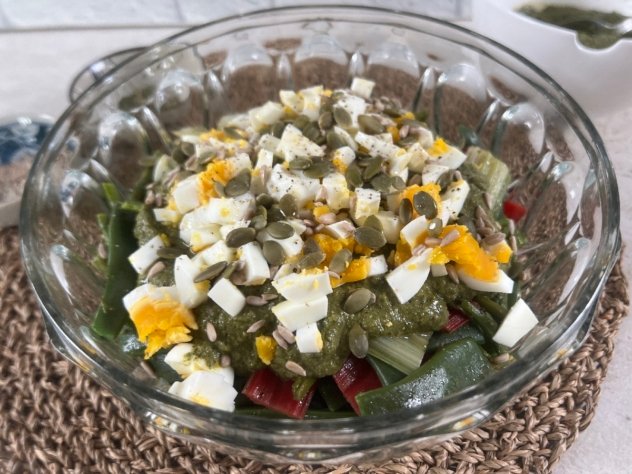
This Spring Salad is a dish that tells the story of the season through its most vibrant colours and textures. At this time of year, nature offers us extraordinary vegetables, not only for their flavour but also for their nutritional properties, perfect for creating complete, light, and satisfying dishes.

Rainbow chard, with its stems ranging from yellow to deep red, is not just visually striking: it is rich in vitamins (particularly A, C and K) and minerals such as magnesium and potassium. The leaves have a delicate texture and a slightly earthy flavour, while the crunchier stems allow you to play with different textures within the same ingredient, also helping to reduce food waste in the kitchen.

Snow peas, also knowns as Mangetout, are a typical spring vegetable and stand out for their sweetness and tender yet crunchy texture. High in fibre and vitamin C, they contribute to satiety and support intestinal health. They are also particularly versatile and pair easily with a wide range of ingredients.

Alongside them, asparagus completes the dish with its slightly bitter, more pronounced flavour, typical of spring vegetables, and is also known for its detoxifying properties.

This salad was created to make the most of these seasonal ingredients, presenting them in a form that goes beyond a classic salad: a dish where vegetables are the absolute stars, combined with proteins and healthy fats for a complete nutritional balance. Naturally gluten free, it is also perfect for people affected by type 1 diabetes, thanks to its fibre content, which helps moderate blood sugar response.

ilaria-bertinelli-insalatona

Spring Salad

2g carbohydrates per 100g

Ingredients for 4-6 servings

  • 400 g rainbow chard
  • 400 g asparagus
  • 300 g snow peas or mangetout
  • 2 eggs
  • 30 g peeled almonds
  • 30 g grated Parmigiano Reggiano
  • 1 tbsp pumpkin seeds
  • 1 tbsp sunflower seeds
  • 1 heaped tsp soy lecithin*
  • Extra virgin olive oil
  • Salt and pepper

**Ingredients specific for celiacs

*Ingredients whose labels must read “gluten-free” (or, in Italy, present on  Prontuario AIC)

Preparation

  1. Wash the snow peas and cut them into pieces.
  2. Separate the stems of the rainbow chard from the leaves.
  3. Bring a pot of water to the boil, add salt, and cook the snow peas and chard stems for 8 minutes. Remove the vegetables with a slotted spoon and plunge them into cold water, then drain.
    Trim the woody ends of the asparagus and cut the rest into pieces of the desired size. Pour a little oil into a pan, add a clove of garlic, then the asparagus, a pinch of salt, and a splash of water. Cover with a lid and cook until tender.
  4. Add the sugar snap peas and chard stems to the asparagus in the pan and sauté for a few minutes to infuse the flavours.
  5. Cut the chard leaves into strips and sauté them in a pan with a little oil. Transfer to a blender and add the almonds, Parmigiano, soy lecithin, extra virgin olive oil, a splash of water, salt and pepper. Blend until a smooth cream forms.
  6. Boil the eggs until hard boiled, then peel them.
  7. To assemble the salad: place the asparagus with snow peas and chard stems in a serving bowl, pour over the chard cream, and top with crumbled hard boiled eggs, seeds, a grind of pepper, salt if needed, and a drizzle of extra virgin olive oil.

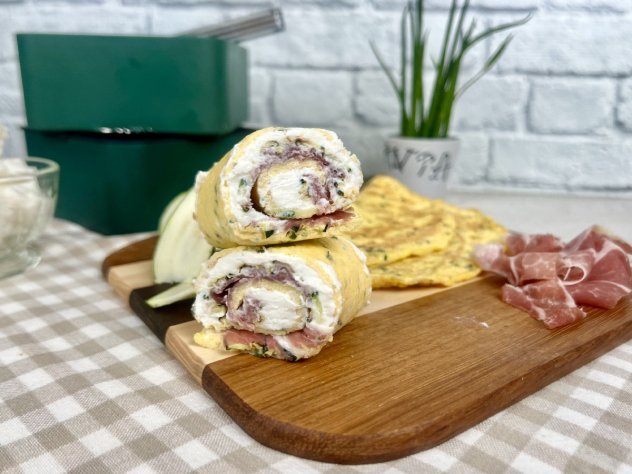
With the return to school and university, the challenge is always the same: finding practical, healthy, and tasty lunch box ideas. This Creamy Frittata with Grilled Courgettes is the perfect solution: quick to prepare, light yet full of flavor, and made irresistible by its creamy ricotta layer, grilled zucchini, and the special touch of Parma Ham.

Rolled up and cut in half, it fits perfectly into a lunch box and is easy to enjoy anywhere.

Paired with bread, seasonal fruit, and some crunchy vegetables, it becomes a complete meal you can conveniently take with you.

Discover more lunch box ideas, such as this Venere rice salad with cherry tomatoes and pistachios.

ilaria-bertinelli-frittata-cremosa-con-zucchine-grigliate

Creamy frittata with grilled courgettes

2g carbohydrates per 100g

Ingredients for 2 Frittatas

  • 200g sheep’s ricotta
  • 4 eggs
  • 1 courgette
  • 30g grated Parmigiano Reggiano
  • Parma Ham (I used the shank part)
  • chopped fresh herbs
  • extra virgin olive oil
  • salt and pepper

**Ingredients specific for celiacs

*Ingredients whose labels must read “gluten-free” (or, in Italy, present on  Prontuario AIC)

Preparation

  1. Slice the courgettes thinly with a mandoline and quickly grill them on both sides.
  2. Beat the eggs in a bowl with a pinch of salt, add the grated Parmigiano, and cook 2 frittatas in a 22 cm non-stick pan until set.
  3. Sieve the ricotta to make it creamy, season it with chopped herbs, one tablespoon of olive oil, salt, and pepper.
  4. Spread the frittatas out, cover with a layer of ricotta, add the grilled courgettes, and finish with slices of Parma Ham. Roll them up and place in the lunch box, cut in half.

What does our lunch box contain today? When Gaia lifts the lid of the container, there are always new ideas waiting for her for lunches away from home, and today’s Legumotti with vegetable ragout and Jerusalem artichokes will be a surprise in terms of taste and energy.

Legumotti will provide you with carbohydrates and plant proteins that will help  you keep your blood sugar under control thanks to the fibre present in the many vegetables on the plate. What about Jerusalem artichoke? Do you know this exotically named ingredient?

Jerusalem artichoke is the root of a plant that is very common throughout Italy, so vital that it is considered almost a weed, growing in wet environments, preferably along watercourses. The root can be eaten either raw or cooked, just like in our lunch box, so you can enjoy its artichoke-like flavour when cooked and its pleasant crunchiness when eaten raw.

It is very suitable for people with diabetes as it has a low carbohydrate content and a high percentage of fibre, in addition to its high digestibility which makes it suitable for everyone. So what are you waiting for to try the recipe?

Follow me not to run short of ideas for out-of-home meals! And if you are looking for a lunch with a lower amount of carbs, try my Roastbeef with aubergine cream.

Legumotti with vegetable ragout and Jerusalem artichokes

42.26g carbohydrates for the whole lunch box

Ingredients for 1 lunch box

  • 280g Jerusalem artichokes
  • 80g carrot
  • 50g leek
  • 40g celery
  • 70g Barilla Legumotti*
  • 30g Parmigiano Reggiano 36 months
  • 20g shelled walnuts
  • 1 tbsp of lemon juice
  • extra virgin olive oil
  • salt and pepper

**Ingredients specific for celiacs

*Ingredients whose labels must read “gluten-free” (or, in Italy, present on  Prontuario AIC)

Preparation

  1. Chop the leek and sweat it in a non-stick pan with a little oil; dice the carrot, celery and some Jerusalem artichokes and add them to the pan with leek, then cook all the vegetables. Season with salt and pepper.
  2. Cook Legumotti in lightly salted boiling water, removing with a skimmer the foam that forms on the surface during cooking. Drain Legumotti and mix them with the vegetable ragout, seasoning with a little oil, salt and pepper.
  3. Preparate l’insalata di topinambur. Slice the Jerusalem artichokes with a mandoline or a well-sharpened knife; add Parmigiano Reggiano cheese cut into slivers, then season with lemon, extra virgin olive oil, salt and pepper, then top with walnuts.
  4. Fill the lunch box by placing Legumotti in one of the containers and the Jerusalem artichoke and Parmigiano Reggiano salad in another container. Close everything and take the lunch box with you!

legumotti con rafù di verdure e topinambur

Version with gluten of Legumotti with vegetable ragout and Jerusalem artichokes

The recipe does not need any adaptations for the version with gluten.