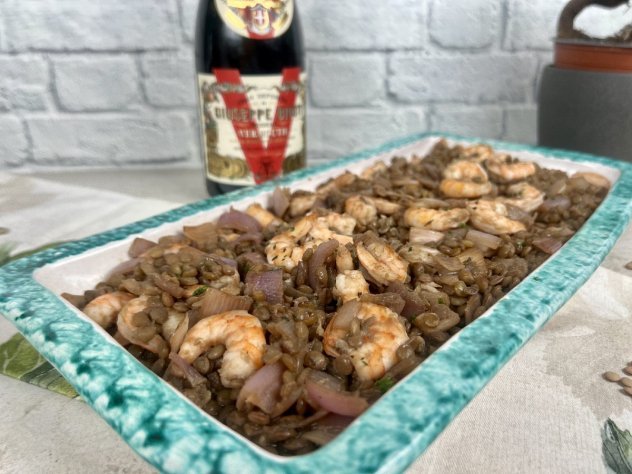
When I’m looking for a light but nourishing one-dish meal, I like to combine the taste of legumes with that of seafood. That’s how these Prawns and Lentils with Vermouth were born — a balanced, gluten-free, glycemia-friendly recipe. The aroma of the artisanal Vermouth from Acetaia Giusti of Modena gives the dish a refined and surprising fragrance, turning a simple pairing into an elegant, special experience.

You can swap the lentils for chickpeas if you prefer them.

If you like combining shellfish with legumes, try my Prawns with Cream of Cannellini Beans recipe.

ilaria-bertinelli-mazzancolle-e-lenticchie-al-vermouth

Prawns and Lentils with Vermouth

9.2g carbohydrates per 100g

Ingredients for 4 servings

  • 280g cooked lentils
  • 24 peeled and deveined prawns
  • 5 shallots
  • 100g Vermouth*
  • 2 tablespoons Modena IGP balsamic vinegar (~30g)
  • extra virgin olive oil
  • thyme
  • salt and pepper

**Ingredients specific for celiacs

*Ingredients whose labels must read “gluten-free” (or, in Italy, present on  Prontuario AIC)

Preparation

  1. Chop the shallots and sauté them in a non-stick pan with a drizzle of extra virgin olive oil, a few sprigs of thyme and the balsamic vinegar.
  2. Add the cooked lentils, a few tablespoons of water and let them gain flavour for about ten minutes.
  3. Turn up the heat under the pan with shallots and lentils, add the prawns, deglaze with the Vermouth, cook for 2 minutes, season with salt and pepper and serve.

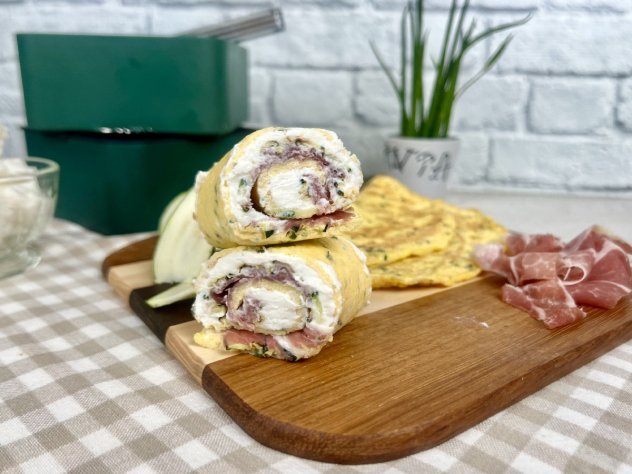
With the return to school and university, the challenge is always the same: finding practical, healthy, and tasty lunch box ideas. This Creamy Frittata with Grilled Courgettes is the perfect solution: quick to prepare, light yet full of flavor, and made irresistible by its creamy ricotta layer, grilled zucchini, and the special touch of Parma Ham.

Rolled up and cut in half, it fits perfectly into a lunch box and is easy to enjoy anywhere.

Paired with bread, seasonal fruit, and some crunchy vegetables, it becomes a complete meal you can conveniently take with you.

Discover more lunch box ideas, such as this Venere rice salad with cherry tomatoes and pistachios.

ilaria-bertinelli-frittata-cremosa-con-zucchine-grigliate

Creamy frittata with grilled courgettes

2g carbohydrates per 100g

Ingredients for 2 Frittatas

  • 200g sheep’s ricotta
  • 4 eggs
  • 1 courgette
  • 30g grated Parmigiano Reggiano
  • Parma Ham (I used the shank part)
  • chopped fresh herbs
  • extra virgin olive oil
  • salt and pepper

**Ingredients specific for celiacs

*Ingredients whose labels must read “gluten-free” (or, in Italy, present on  Prontuario AIC)

Preparation

  1. Slice the courgettes thinly with a mandoline and quickly grill them on both sides.
  2. Beat the eggs in a bowl with a pinch of salt, add the grated Parmigiano, and cook 2 frittatas in a 22 cm non-stick pan until set.
  3. Sieve the ricotta to make it creamy, season it with chopped herbs, one tablespoon of olive oil, salt, and pepper.
  4. Spread the frittatas out, cover with a layer of ricotta, add the grilled courgettes, and finish with slices of Parma Ham. Roll them up and place in the lunch box, cut in half.

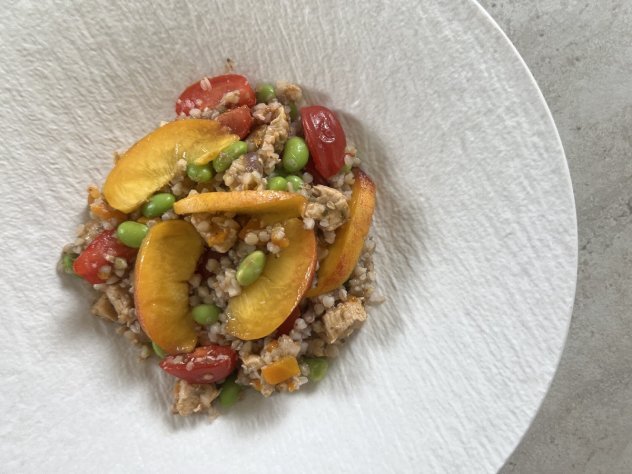
After a morning or evening run, your body needs clean energy and high-quality protein to recover at its best. This Buckwheat Salad with Chicken Ragout and Grilled Peaches is designed exactly for that: a complete meal rich in noble proteins from the chicken and edamame, low glycemic-index carbohydrates thanks to buckwheat, and plenty of vitamins and minerals from the peaches and cherry tomatoes, which refresh and hydrate.

A mix of delicate flavours and different textures that satisfies without weighing you down – perfect for those who love to take care of themselves at the table after a workout.

Discover all the secrets for perfect post-workout recovery with Bianca Balzarini, nutrition coach, with whom I created this very useful e-book.

Buckwheat Salad with Chicken Ragout and Grilled Peaches

8g carbohydrates per 100g

Ingredients for the salad

  • 140 g nectarines or peaches
  • 120 g edamame
  • 100 g buckwheat groats*
  • 10 cherry tomatoes

 Ingredients for the chicken ragout

  • 600 g chicken meat, finely chopped by knife
  • 100 g carrot
  • 40 g onion
  • 30 g celery
  • 1/2 glass of Marsala wine
  • chopped sage, mint, and thyme
  • extra virgin olive oil
  • salt and pepper

*Ingredients whose labels must read “gluten-free” (or, in Italy, present on  Prontuario AIC)

Preparation

  1. Prepare the chicken ragout first. Finely dice the onion, carrot, and celery, and soften them in a saucepan with a drizzle of extra virgin olive oil without letting them fry. Add the chopped herbs and the minced chicken meat.
  2. Mix well until the chicken turns white, then pour in the Marsala wine and let it evaporate. Cover and cook for about 20 minutes. Adjust with salt and pepper.
  3. Meanwhile, boil the buckwheat in lightly salted water and drain when cooked but still al dente.
  4. Blanch the edamame in lightly salted boiling water for 1.5 minutes, then drain and plunge them into cold water.
  5. Halve the cherry tomatoes and add them to the drained buckwheat, then add the edamame and finally the chicken ragout, mixing everything well. Serve with a few slices of nectarine or peach.

ilaria-bertinelli-insalata-di-grano-saraceno-e-pesche-grigliate

Version with gluten of Buckwheat Salad with Chicken Ragout and Grilled Peaches

The recipe is naturally gluten-free, so no adaptation is needed for the version with gluten.

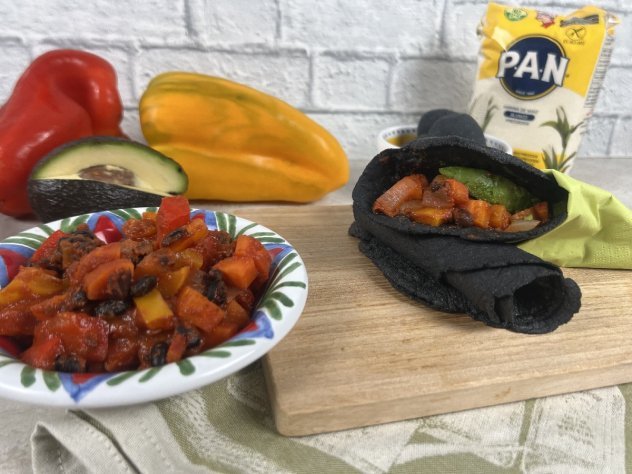
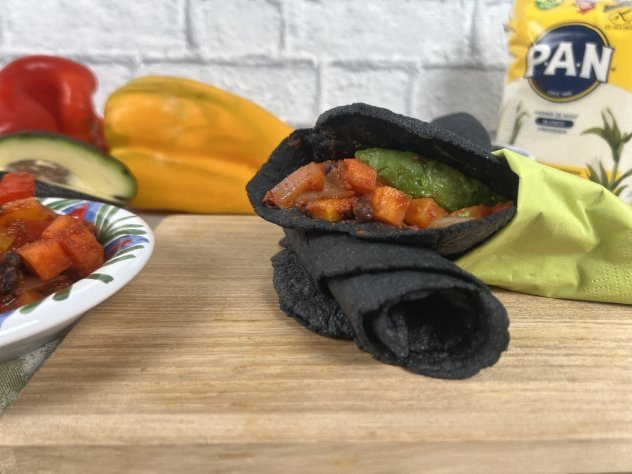
Bold colours and intense flavours come together in a recipe that celebrates plant-based cuisine with a creative and inclusive twist: these White corn tortillas with activated charcoal and vegetable chili are the perfect option for anyone looking for a satisfying yet balanced dish, also suitable for those who have to keep an eye on their blood sugar levels or following a gluten-free diet.

The tortillas are made with white corn flour, a naturally gluten-free ingredient rich in resistant starch and generally with a lower glycemic index than yellow corn. The addition of activated charcoal not only gives a striking look but may also help reduce bloating thanks to its adsorbing properties.

The vegetable chili is a powerhouse of fibre, vitamins, and antioxidants: bell peppers provide vitamin C and beta-carotene, carrots contribute soluble fibre and vitamin A, and Mexican black beans are an excellent source of plant-based protein, iron, magnesium, and more fibre to help regulate carbohydrate absorption, making the dish even more balanced. Chili pepper and paprika add a pleasant spiciness and help stimulate metabolism—without needing to rely on a lot of salt for flavour.

Let’s take a flavourful trip into Mexican-inspired cooking with this wholesome and satisfying dish and if you like Latin American cuisine, try also this Dominican Salad.ilaria-bertinelli-tortillas-di-mais-bianco

White corn tortillas with activated charcoal and vegetable chili

18g carbohydrates per 100g

Ingredients for the tortillas

  • 250g water
  • 170g white corn flour*
  • ½ teaspoon of activated charcoal
  • a pinch of salt

For the vegetable chili

  • 400g tomato purée
  • 300g yellow bell pepper
  • 300g red bell pepper
  • 250g carrots
  • 250g cooked Mexican black beans
  • 40g onion
  • 1 small piece of chili pepper
  • extra virgin olive oil
  • paprika
  • parsley
  • salt

To complete

  • avocado

**Ingredients specific for celiacs

*Ingredients whose labels must read “gluten-free” (or, in Italy, present on  Prontuario AIC)

Preparation

  1. Place the white corn flour in a mixing bowl, add a pinch of salt and the activated charcoal, then pour in the water and mix until you get a smooth, uniform dough. Cover and let it rest for at least 15 minutes. If mixing by hand, your fingers may get stained black—but don’t worry, it rinses off easily.
  2. Finely chop the onion and sauté it in a deep skillet with a drizzle of olive oil, along with a clove of garlic and a small amount of chili pepper according to your heat preference. Meanwhile, slice the carrots and dice the peppers, then add them to the pan along with the tomato purée. Season with salt and paprika. Cook for about 15 minutes, then add the black beans. Let everything simmer for another 10 minutes, stir in chopped parsley, and adjust seasoning if needed.
  3. Prepare the tortillas: divide the dough into 10 pieces of about 40 g each. Flatten each one between two sheets of parchment paper to about 1–1.5 mm thickness.
  4. Cook the tortillas in a very hot non-stick pan on both sides, flipping them twice—the second flip will often make them puff up slightly. Once cooked, stack them between two plates to keep warm.
  5. Fill each tortilla with the vegetable chili and a slice of avocado.
  6. ilaria-bertinelli-tortillas-di-mais-bianco


Spring brings us wonderful and versatile ingredients like asparagus — grown in many regions of Italy and the star of this simple yet impressive recipe. This Chicken and asparagus pie is a complete meal that combines flavour, nutritional balance and practicality. It’s perfect for anyone following a gluten-free diet with a mindful eye on the recipe’s composition, particularly its carbohydrate content.

Asparagus is an excellent source of fibre, B vitamins (especially folate), vitamin K and natural antioxidants. Thanks to its asparagine content, it also supports kidney function and has a natural diuretic effect. Combined with chicken, a great source of lean protein, and brown rice flour, which adds fibre and complex carbohydrates, this dish offers all the essential macronutrients and is suitable for those with specific dietary needs.

The crisp gluten-free puff pastry topping adds a rustic and visually appealing touch, making it ideal even for a last-minute dinner with guests when you don’t want to give up on seasonal vegetables. If you’re looking for another all-in-one dish, try the Vegetarian Moussaka too!

ilaria-bertinelli-pie-di-pollo-e-asparagi-al-feta

Chicken and asparagus pie with Feta cheese

7.8g carbohydrates per 100g

Ingredients for 6 servings

  • 1 pack of gluten-free puff pastry** (you will use about 200g)
  • 850g chicken breast
  • 420g asparagus
  • 120g Feta cheese
  • 70g leek
  • 30g brown rice flour*
  • 1 egg for brushing the surface
  • meat or vegetable stock*
  • extra virgin olive oil
  • salt and papper

**Ingredients specific for celiacs

*Ingredients whose labels must read “gluten-free” (or, in Italy, present on  Prontuario AIC)

Preparation

  1. Slice the leek and let it soften in a non-stick pan with a drizzle of olive oil. Add the chicken breast cut into cubes and cook until it turns white on all sides.
  2. Trim the woody ends off the asparagus, then divide the stalks from the tips. Cut the stalks into small pieces and add them to the chicken. Pour in a few ladles of broth, season with salt and pepper, and cook.
  3. When the chicken is nearly done, add the asparagus tips. Sprinkle in the rice flour and, if needed, add another ladle of broth — it will thicken into a sauce similar to béchamel.
  4. Transfer the chicken and asparagus mixture into a baking dish, top with crumbled Feta cheese and cover the top with the puff pastry. Seal the edges well to create a lid, cut a few slits to allow steam to escape, and brush the surface with beaten egg.
  5. Bake in a preheated fan oven at 180°C for 20 minutes. Remove from the oven, let rest for 10 minutes, then serve.

To celebrate Earth Day, which this year falls on 22 April, I created a simple and delicious recipe as my small contribution to reducing food waste. These Eggplant Rolls with Sun-Dried Tomatoes and Breadcrumbs are bursting with flavour and born from the desire to give leftover bread a second life. The filling is fragrant and enriched with Mediterranean ingredients like basil, almonds, and sun-dried tomatoes.

This dish is both light and nourishing: eggplants are an excellent source of fiber and antioxidants, wholemeal bread provides complex carbohydrates, while Pecorino cheese and almonds contribute protein and healthy fats. Everything is brought together by a simple, aromatic tomato sauce that makes the dish not only wholesome but also incredibly satisfying.

A tasty way to celebrate Earth, make the most of leftovers, and cook with awareness.

Eggplant rolls with sun-dried tomatoes and breadcrumbs

8g carbohydrates per 100g

Ingredients for the rolls

  • 2 eggplants (about 400g)
  • 100g milk
  • 70g leftover bread**
  • 50g Pecorino cheese, grated
  • 50g sun-dried tomatoes*, drained
  • 40g almonds
  • 12 basil leaves
  • salt and pepper

Ingredients for the sauce

  • 600g tomato purée
  • 1 shallot
  • 1 clove of garlic
  • extra virgin olive oil
  • chilli pepper
  • salt and pepper

**Ingredients specific for celiacs

*Ingredients whose labels must read “gluten-free” (or, in Italy, present on  Prontuario AIC)

Preparation

  1. Slice the eggplants and bake them in a preheated static oven at 180°C for about 20 minutes until soft.
  2. Soak the bread in milk, then place it in a blender along with the sun-dried tomatoes, almonds, and basil leaves. Add the Pecorino cheese in small pieces and blend until smooth. Season with salt and pepper to taste.
  3. Fill the eggplant slices with the mixture and roll them up tightly.
  4. For the sauce, sauté the finely chopped shallot in a non-stick pan with a drizzle of oil and the garlic clove. Add the tomato purée and chili pepper, then gently place the rolls in the sauce.
  5. Cook for 20 minutes and serve warm.

ilaria-bertinelli-involtini-di-melanzane-con-pane-avanzato

The Tuna Melt is one of those timeless comfort foods, likely born by accident, as often happens with the best recipes. Its origins date back to the 1950s in the United States, when a cook at a diner in South Carolina supposedly added melted cheese to a classic tuna sandwich by mistake. The result? An absolute hit that has delighted generations ever since.

My version of the Tuna Melt is reimagined to make this indulgent sandwich lighter, as I’ve completely removed butter and made it more diabetes-friendly by using homemade wholegrain gluten-free sandwich bread — a recipe I’ll be sharing with you soon. I also simplified the sandwich by using only two slices of bread instead of three, avoiding the double filling. After all, it’s hard to stop at just one sandwich, so I opted for smaller portions!

The combination of savoury tuna and gooey melted cheese is simply irresistible — perfect for a casual dinner, just like the one we treated ourselves to!

If you’re a sandwich lover, don’t miss my Stuffed picnic baguettes.

Tuna Melt

17.71g carbohydrates per 100g

ilaria-bertinelli-tuna-melts

Ingredients for 4 sandwiches

  • 250g non-smoked scamorza cheese or other melting cheese
  • 8 slices of sandwich bread** (about 240 g)
  • 200g drained tuna in oil
  • 2 tablespoons of mayonnaise*
  • 2 teaspoons of mustard*
  • 1 celery stalk
  • 20g honey
  • 10g lemon juice

**Ingredients specific for celiacs

*Ingredients whose labels must read “gluten-free” (or, in Italy, present on Prontuario AIC)

Preparation

  1. Mix the tuna with the mayonnaise until you get a smooth cream. Finely chop the celery and add it to the tuna. Stir in the mustard, honey, and lemon juice, mixing well. Taste the mixture and adjust with salt and pepper if needed.
  2. Place slices of scamorza cheese between two slices of sandwich bread. Toast the sandwiches in the oven or on a flat toaster until the bread turns golden and crispy, and the cheese is melted.
  3. Complete the sandwich by spreading the tuna mixture on top of the melted cheese, then close the sandwich.
  4. Serve the sandwich whole or cut it in half.

My first encounter with Bagna Cauda dates back to a trip to Piedmont many years ago when I fell in love with the unmistakable flavour of this iconic dish, blissfully unaware of its after-effects. The potent and lingering “aroma” of garlic was so overwhelming that my husband made it clear there would be no second chance for this culinary experience.

From that amusing episode was born my version of Garlic-Free Bagna Cauda, which I jokingly call “anti-abandonment”: no garlic, but instead Jerusalem artichokes, which lend creaminess and a delicate flavour without any unpleasant aromatic consequences.

Jerusalem artichokes are not just a great substitute for garlic but also a true health ally. They are rich in fibre, particularly inulin, a prebiotic substance that supports gut health and helps maintain stable blood sugar levels. They are low in calories but high in minerals such as iron, potassium, and magnesium.

The result? A dish that saves lunches, marriages, and sensitive noses.

Discover how to prepare it, and if you love dipping sauces, be sure to try my Pinzimonio with Pistachio and Courgette Hummus.

Garlic-free Bagna cauda

12.3g carbohydrates per 100g of sauce

Ilaria-bertinelli-bagna-cauda-senza-aglio

Ingredients for 4 servings

  • boiled potatoes and vegetables of your choice
  • 400g Jerusalem artichokes
  • 200g milk
  • 40g salted or oil-packed anchovies (weight after cleaning)
  • extra virgin olive oil

Preparation

  1. Desalt and debone the salted anchovies or opt for oil-packed anchovies for convenience. Place them in a small pan with a drizzle of extra virgin olive oil and let them melt.
  2. Wash and peel the Jerusalem artichokes, then cut them into cubes. Add the cubes to the melted anchovies. Cover with milk, place a lid on the pan, and cook until the Jerusalem artichokes are soft enough to be mashed with a fork.
  3. Mash the Jerusalem artichokes and anchovies well with a fork until creamy.
  4. Serve the sauce with boiled potatoes and other vegetables of your choice, perfect for dipping into this incredibly tasty mixture.

With February’s arrival, nature offers us ingredients packed with nutrients and authentic flavours, perfect for those living with type 1 diabetes and coeliac disease. My February salads combine taste and health, ideal for enhancing your winter table.

February Salads: Winter Flavours and Wellness on Your Table

In the Cauliflower and Pumpkin Salad, these two vegetables create a delightful balance of flavours and textures. Cauliflower, with its low glycaemic index and high fibre content, helps maintain blood sugar levels stable. Pumpkin, besides adding a pop of colour, is rich in beta-carotene and vitamins. The addition of boiled eggs completes the dish with high-quality proteins, making it both nutritious and satisfying.

The Winter Greek Salad is my tribute to a recent adventure in Greece: crisp iceberg lettuce with flavourful black olives and a creamy Greek yoghurt dressing enriched with cucumber, reminiscent of the famous tzatziki sauce. Iceberg lettuce provides fibre and water, black olives offer healthy fats and antioxidants, and the creamy Greek yoghurt sauce with cucumber supports digestive health thanks to probiotics and cucumber fibre.

Why choose seasonal vegetables for February salads?
Opting for seasonal ingredients ensures maximum flavour and nutrients. Get ready to enjoy the best of winter with these salads that combine taste, colour, and wellness!

Winter Greek Salad

13.5g carbohydrates per 100g

insalata-greca-invernale

Ingredients for 4 servings

  • 200 g cooked chickpeas
  • 100 g feta cheese
  • 100 g leftover gluten-free bread**
  • 100 g cucumber
  • 100 g iceberg lettuce
  • 50 g Kalamata black olives
  • 30 g fat-free Greek yoghurt
  • 1 lemon
  • oregano
  • mint
  • extra virgin olive oil
  • salt and pepper

**Ingredients specific for celiacs

*Ingredients whose labels must read “gluten-free” (or, in Italy, present on Prontuario AIC)

Preparation

  1. Cut the bread into cubes and toast in a non-stick pan. When it starts to crisp, drizzle with a little oil, a pinch of salt, and oregano.
  2. Trim the cucumber, grate it, sprinkle with a pinch of salt, and place it in a colander to drain. Squeeze well, then blend it with the yoghurt, juice of half a lemon, a few mint leaves, salt, and pepper to create a sauce.
  3. Crumble the feta cheese and mix it in a bowl with the chickpeas, shredded lettuce, and olives, seasoning everything with a drizzle of oil.
  4. Serve on plates and top with the cucumber yoghurt sauce and crispy croutons.

Cauliflower and Pumpkin Salad

3g carbohydrates per 100g

insalata-di-cavolo-e-zucca

Ingredients for 4 servings

  • 500g mixed-colour cauliflower
  • 400g pumpkin
  • 4 boiled eggs
  • 100g baby spinach
  • thyme
  • oregano
  • extra virgin olive oil
  • salt and pepper

Preparation

  1. Separate the cauliflower into florets and cook in the microwave on high for 4 minutes.
  2. Cut the pumpkin into cubes and place them on a baking tray lined with parchment paper. Sprinkle with thyme, oregano, salt, and pepper, and drizzle with a little oil. Roast in a preheated fan oven at 180°C until golden.
  3. Place the spinach in a bowl and season with extra virgin olive oil and salt.
  4. Boil the eggs for 8 minutes, peel them, and separate the yolks from the whites.
  5. Assemble the plates by layering the spinach, followed by cauliflower florets, pumpkin cubes, and crumbled egg whites. Finish by passing the yolks through a sieve to create a pollen-like texture.
  6. Sprinkle with a pinch of salt, pepper, and a drizzle of extra virgin olive oil.


Which salads can we prepare during the holiday season? December salads couldn’t but be suitable for a period of parties and celebrations.

In fact, these salads complement each other because one is perfect for enriching festive meals and the other for a detox meal before or after the Christmas treats.

Turnip and lamb’s lettuce salad is a way to use two ingredients that we rarely bring to the table at our place. White turnip is very low in calories, contains no cholesterol, has only 6 carbohydrates per 100g, but is very rich in vitamins and minerals, so consuming it means providing a good dose of antioxidants to cope with the cold season.

Coleslaw Salad is a great classic of Anglo-Saxon cuisine, but especially of Newark buffets, to use the cabbage in a mouth-watering way. The name is in fact the transformation into English of the Dutch terms ‘kool’, cabbage, and ‘sla’, a nickname for salad. My version is a light interpretation of the original in that I eliminated sugar in the preparation and diluted the mayonnaise with equal amounts of zero-fat Greek yoghurt.

Happy holidays by bringing December salads to the table, but don’t forget to explore other salad ideas, e.g. October salads.

Turnip and lamb’s lettuce salad

9,56g carbohydrates per 100g

insalata-di-rapa-bianca-e-songino

Ingredients for 4 servings

  • 2 white turnips
  • 100g lamb’s lettuce or other leafy greens
  • 90g pear
  • 20g maple syrup or honey
  • lemon juice
  • a few parsley leaves
  • extra virgin olive oil
  • salt and pepper
  • wood sorrel (optional)

Preparation

  1. Peel the turnips with a peeler, slice them very thinly using a mandoline and macerate them for 10-15 minutes with an emulsion of lemon juice, extra virgin olive oil, salt and parsley.
  2. Slice the pear with the peel.
  3. Prepare a vinaigrette by mixing a few tablespoons of oil, lemon juice, salt, pepper and chopped parsley.
  4. Arrange the lamb’s lettuce on the bottom of each plate, lay the turnip and pear on top, drizzle with the vinaigrette and finish with a grinding of pepper and the sorrel leaves.

Coleslaw

7g carbohydrates per 100g

Insalata-coleslaw

Ingredients for 4 servings

  • 250g white cabbage (approx. 1/2 cabbage)
  • 170g carrots (approx. 2)
  • 1 Granny Smith apple
  • 2 celery stalks
  • 3 spring onions (the white part)
  • 40g raisins
  • 40g shelled walnuts
  • chopped fresh herbs
  • salt and pepper

Ingredients for the sauce

  • 150g mayonnaise*
  • 150g fat-free Greek yoghurt
  • 1 teaspoon of Dijon mustard*
  • 20g lemon juice
  • salt and pepper

**Ingredients specific for celiacs

*Ingredients whose labels must read “gluten-free” (or, in Italy, present on  Prontuario AIC)

Preparation

  1. Cut the cabbage into very thin strips; grate the carrots into julienne strips and slice the apples with the peel, but without the core.
  2. Chop the celery and spring onion finely, then put all the vegetables in a bowl.
  3. In a bowl, prepare the sauce: mix mayonnaise and yoghurt, season with mustard and lemon, then season with salt and pepper.
  4. Pour the dressing over the vegetables and mix well: the salad should be very well bound, i.e. have just the right amount of dressing to hold the vegetables together.
  5. Top the salad with sultanas and coarsely chopped walnuts, then complete with chopped fresh herbs to taste.